

Termite control explained: clear solutions for Illinois homes
TL;DR:
- Termites cause extensive damage, often unnoticed until structural issues appear.
- Professional treatments include soil barriers and baiting systems for effective colony elimination.
- Ongoing prevention through moisture control, inspections, and proper landscaping is essential.
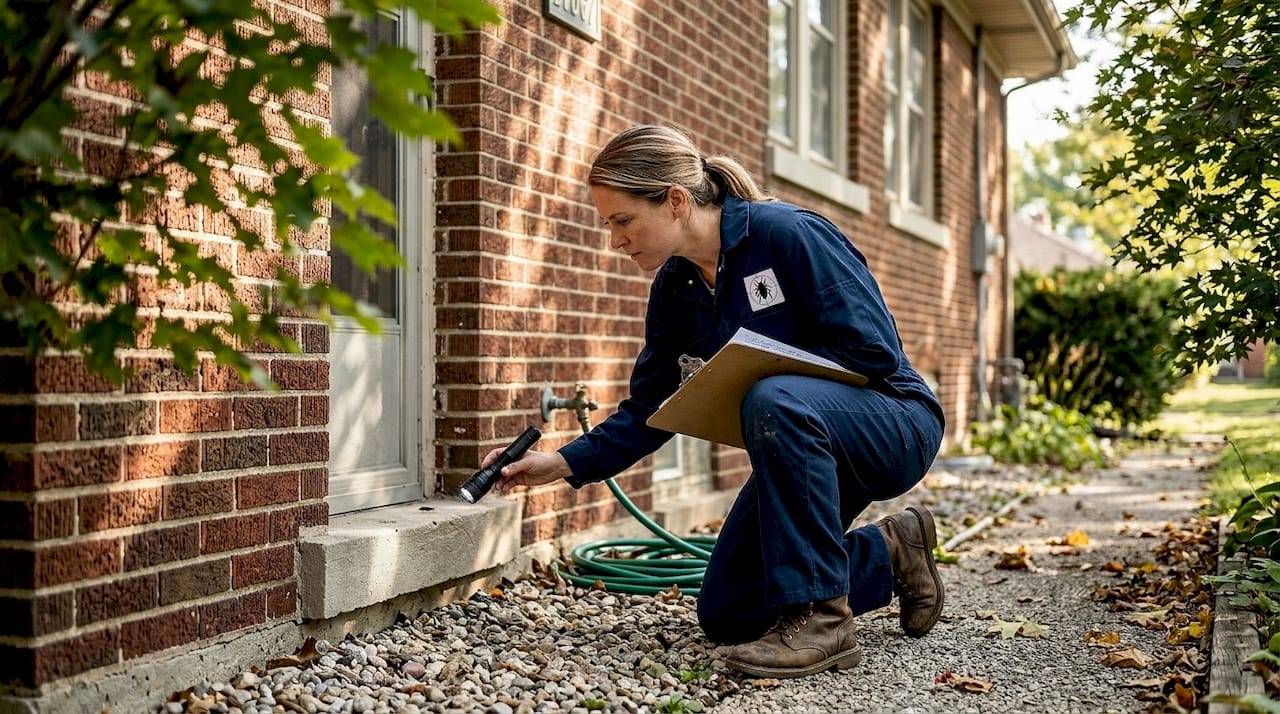
Termites cost American homeowners billions each year, yet most families don’t realize there’s a problem until the damage is already severe. That’s what makes termites so dangerous. They work silently inside walls, floors, and foundations, chewing through wood long before you see a single sign. Illinois homeowners face a real and underestimated risk, especially in older neighborhoods with mature landscaping and aging home structures. This guide breaks down exactly how termite control works, what professional treatments involve, and how you can protect your home before termites get a foothold.
Table of Contents
- Why termite control matters for Illinois homes
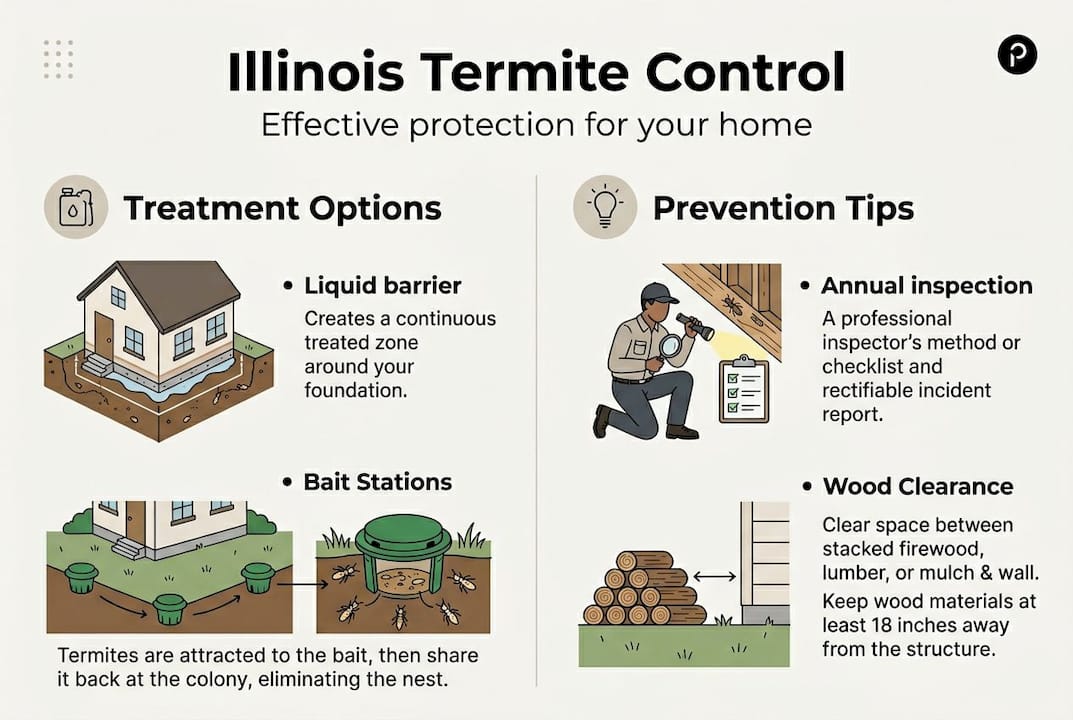
- How professional termite treatments work
- Proven prevention strategies that actually work
- How to choose the right termite control partner in Illinois
- The overlooked truths about termite control in Illinois
- Get expert help for complete termite protection
- Frequently asked questions
Key Takeaways
| Point | Details |
|---|---|
| Termite damage is costly | Hidden termite activity can cost Illinois homeowners thousands if not caught and treated. |
| Professional methods work best | Experts use advanced baits and termiticides for long-lasting, effective control. |
| Prevention reduces risk | Moisture control, no wood-soil contact, and annual inspections help keep termites out. |
| Choose the right partner | Select licensed, reputable Illinois professionals who offer warranties and integrated approaches. |
Why termite control matters for Illinois homes
Illinois is prime territory for termites, particularly the Eastern subterranean termite, which is the most destructive species in North America. These insects live underground in large colonies and build mud tubes to reach wood above the soil. They thrive in moist environments, and Illinois’s humid summers combined with wet spring thaws create ideal conditions for colony growth and expansion.
The financial stakes are serious. Termite damage costs billions annually across the U.S., with individual homeowners often spending thousands on repairs that insurance rarely covers. A single colony can contain hundreds of thousands of workers, all feeding continuously. By the time damage becomes obvious, structural repairs can easily run $5,000 to $10,000 or more.
What makes this especially frustrating is that early termite activity is almost invisible. Termites avoid light and open air, so they hollow out wood from the inside, leaving a thin shell on the surface. Many Illinois homeowners only discover an infestation when a floor starts to sag, a door frame warps, or a contractor finds damage during a renovation.
Here are the key warning signs Illinois homeowners should watch for:
- Mud tubes running along your foundation, walls, or crawl space beams
- Hollow-sounding wood when you tap on baseboards, door frames, or flooring
- Discarded wings near windowsills or entry points after a termite swarm
- Bubbling or peeling paint that looks like water damage but isn’t
- Frass (termite droppings) that look like tiny wood pellets near baseboards
“Termites cause more damage to U.S. homes each year than fires, floods, and windstorms combined in many regions, yet most homeowners carry no specific termite insurance.”
Your best starting point is learning what to look for. The prevention guide for Illinois homeowners walks through how to spot early warning signs specific to the region. With an understanding of what’s at stake, let’s examine exactly how termite control is handled.
How professional termite treatments work
Understanding risk is just the beginning. Here’s how experts tackle termite infestations.
Professional termite control relies on two primary methods: soil-applied liquid termiticides and baiting systems. Both are proven, but they work differently and suit different situations.
Soil-applied liquid termiticides involve injecting or trenching a chemical barrier into the soil around and beneath your home’s foundation. Common active ingredients include fipronil, imidacloprid, and permethrin. These chemicals don’t just repel termites. They transfer between insects, so termites that pass through the treated zone carry the product back to the colony. Professional liquid barriers can remain effective for five to ten years when applied correctly, making them one of the most durable solutions available.
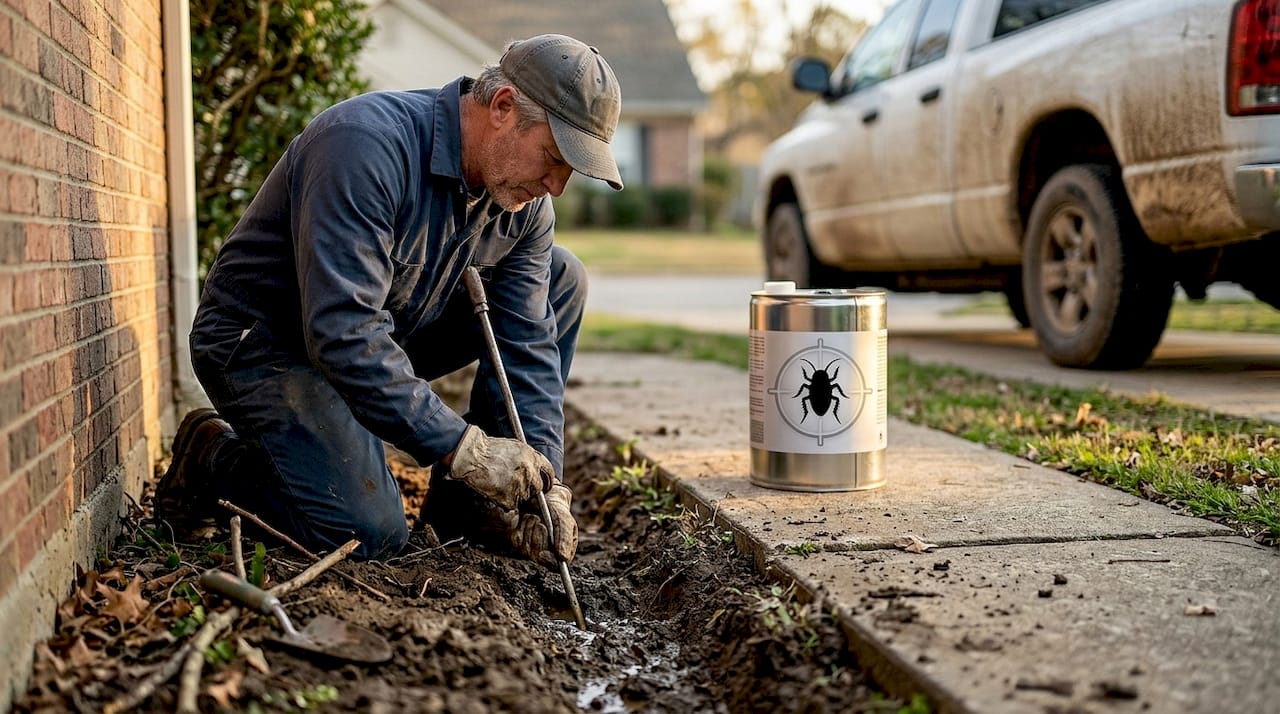
The installation process typically involves drilling into concrete slabs, trenching along the exterior perimeter, and treating interior voids. It’s precise work that requires licensed equipment and knowledge of your home’s construction type. You can explore the full range of termite treatment options to understand which approach fits your situation.
Baiting systems take a different approach. Stations are placed in the soil around your home, filled with cellulose material that termites find attractive. Once termites are detected feeding, the bait is switched to a slow-acting insecticide. Workers carry it back to the colony, eventually eliminating it from within. Baiting eliminated termite activity in 39 to 65 days on average in controlled studies, though full colony elimination can take up to a year.
Here’s a quick comparison to help you understand the differences:
| Feature | Liquid termiticide | Baiting system |
|—|—|—|
| Speed of action | Fast (days to weeks) | Slower (months) |
| Longevity | 5 to 10 years | Ongoing monitoring needed |
| Installation disruption | Moderate (drilling/trenching) | Low (surface stations) |
| Best for | Active infestations | Prevention and monitoring |
| Colony elimination | Partial (barrier effect) | Yes (targets colony) |
For many Illinois homes, a combination of both methods offers the strongest protection. Learn more about termite barrier methods and how they’re installed around different foundation types.
Pro Tip: Always hire a state-licensed pest control operator in Illinois. Licensing ensures the technician is trained in proper chemical handling, application rates, and safety protocols. Unlicensed applicators risk both ineffective treatment and health hazards.
Proven prevention strategies that actually work
After elimination, successful prevention is the next defense line.
Termite prevention isn’t complicated, but it does require consistency. The goal is to make your home as unattractive as possible to foraging termites by removing the conditions they need to survive and thrive.
Moisture control, wood-soil separation, and annual inspections are the three pillars of effective termite prevention. Here’s what each one looks like in practice:
- Fix leaks immediately. Dripping pipes, leaky gutters, and poor drainage create the moist soil conditions subterranean termites love. Repair plumbing issues quickly and make sure downspouts direct water away from your foundation.
- Keep wood away from soil. Firewood stacked against the house, wooden mulch piled against the foundation, and deck posts buried directly in the ground are all termite invitations. Maintain at least a six-inch gap between any wood and the soil.
- Clear debris regularly. Dead tree stumps, old lumber, and leaf piles near your home give termite colonies a food source and a starting point for expansion toward your structure.
- Seal cracks and entry points. Termites can enter through gaps as thin as 1/32 of an inch. Inspect your foundation, utility penetrations, and expansion joints annually and seal any openings with appropriate caulk or foam.
- Schedule annual professional inspections. A trained technician knows exactly where to look and can catch early activity that you’d likely miss on your own.
If you’re building a new home or adding an addition, pre-construction termite treatment is one of the smartest investments you can make. Soil treatment before the slab is poured creates a barrier that’s far more effective and less disruptive than treating an existing structure.
Pro Tip: Don’t use wood mulch directly against your home’s siding or foundation. Swap it for rubber mulch or gravel in the two-foot zone closest to your house. This simple swap removes a major moisture and food source for termites.
For a full breakdown of steps tailored to Illinois conditions, check out these detailed prevention tips built around local pest patterns.
How to choose the right termite control partner in Illinois
Prevention is most effective with the right partner. Here’s what to look for.
Not every pest control company delivers the same quality of termite protection. Choosing the wrong provider can leave your home exposed even after treatment. Here’s how to evaluate your options carefully.
- Verify the license. In Illinois, pest control operators must be licensed through the Illinois Department of Public Health. Ask for the license number and verify it before signing anything.
- Get at least three quotes. Pricing varies significantly between providers. Multiple quotes help you understand the market rate and spot outliers that may be cutting corners.
- Read the warranty carefully. A solid termite warranty should cover re-treatment at no additional cost if termites return within the warranty period. Some warranties also cover repair costs. Understand exactly what’s included and what voids the coverage.
- Ask about their IPM approach. Integrated Pest Management (IPM) is a method that combines multiple strategies, including inspection, targeted treatment, and ongoing monitoring, rather than relying on chemicals alone. Providers using IPM tend to deliver more thorough, lasting results.
- Watch for red flags. Be cautious of companies that pressure you to sign immediately, offer unusually low prices with no inspection, or can’t explain their treatment method clearly.
“Licensed professionals, multiple quotes, warranties, and IPM are the four non-negotiables when hiring a termite control company in Illinois.”
For context on what pest activity looks like in your specific area, browsing local pest insights can help you ask better questions when interviewing providers.
The overlooked truths about termite control in Illinois
Most termite guides stop at listing treatment options and prevention tips. But after working with Illinois homeowners across different property types and neighborhoods, there are a few realities that rarely get mentioned.
DIY termite control almost never delivers lasting results. Store-bought products can kill surface termites, but they don’t reach the colony. Homeowners who treat on their own often feel confident for a few months, then discover the infestation has simply shifted to a different entry point. That false sense of security is actually more dangerous than doing nothing, because it delays professional intervention.
The other issue is what happens after the initial treatment. Many homeowners treat termites like a one-time problem. They get a liquid barrier installed, feel relieved, and stop thinking about it. But Illinois’s climate, with its freeze-thaw cycles and wet seasons, degrades soil treatments over time and creates new entry opportunities. Ongoing monitoring through annual inspections and active baiting stations is what separates homes that stay protected from those that get re-infested.
The most effective approach combines both methods under professional oversight and pairs them with integrated prevention tactics that address the environmental conditions around your home. Think of termite control less like a repair and more like a maintenance relationship.
Get expert help for complete termite protection
Termites don’t wait, and neither should you. If you’ve noticed any warning signs or simply haven’t had a professional inspection in the past year, now is the right time to act.

BugEvicta Pest Control offers licensed, local termite control built specifically for Illinois homeowners. Whether you’re dealing with an active infestation or want to protect your home before termites ever arrive, our team provides targeted termite extermination services backed by warranties and ongoing monitoring. We combine liquid barriers, baiting systems, and inspection-based follow-up to give your home the strongest possible defense. Pair professional treatment with our Illinois prevention guide and take the guesswork out of keeping your home termite-free. Schedule your inspection or request a free quote today.
Frequently asked questions
How do I know if I have termites in my home?
Look for mud tubes along your foundation, hollow-sounding wood, discarded wings near windows, or visible damage around wooden structures. Annual professional inspections remain the most reliable method for early detection.
Which termite treatment is most effective for Illinois homes?
Both soil-applied liquid termiticides and baiting systems are proven effective. Termiticides last 5 to 10 years while baiting works within months, and the best choice depends on your home’s construction type and infestation severity.
How long does termite baiting take to work?
Baiting eliminated termite activity in 39 to 65 days on average in studies, but complete colony elimination can take up to a full year depending on colony size and station placement.
What can I do myself to help prevent termites?
Fix leaks, keep wood away from soil, clear debris around your foundation, seal entry points, and schedule annual inspections. These steps reduce moisture and access, which are the two main things termites need to establish a colony near your home.
Is termite control safe for families and pets?
When applied by licensed professionals following label instructions, modern termite treatments are designed with family and pet safety in mind and pose minimal risk when handled correctly.