
What is targeted pest treatment? A guide for Illinois homeowners
TL;DR:
- Targeted pest treatment focuses on specific pest hotspots, reducing chemical use and resistance.
- It involves inspection, monitoring, and precise application rather than broad spray methods.
- This approach offers long-term, safer, and more effective pest control for Illinois homes.
Most Illinois homeowners assume that when pests show up, the answer is a heavy round of spraying everywhere. That assumption costs money, exposes families to unnecessary chemicals, and often fails to solve the real problem. Targeted pest treatment takes a completely different approach: find exactly where pests are living, moving, and entering, then treat only those spots with the right method. This guide breaks down what targeted pest treatment is, how professionals apply it in Illinois homes, and why it consistently outperforms the spray-everything approach for long-term pest control.
Table of Contents
- Understanding targeted pest treatment: The basics
- How targeted pest treatment works: Steps and science
- Tools and technology in targeted pest treatment
- Integrated pest management: The philosophy behind targeting
- Targeted pest treatment in action: Common pest scenarios for Illinois homes
- Our take: Rethinking how you control pests at home
- Next steps: Trusted targeted pest control for your home
- Frequently asked questions
Key Takeaways
| Point | Details |
|---|---|
| Targeted vs. broad spraying | Targeted pest treatment tackles the source directly, reducing chemical use and improving safety. |
| Step-by-step precision | Professional targeted treatment uses inspection and monitoring to ensure only necessary areas get treated. |
| Tools you can trust | Residential pest pros rely on focused tools and safe materials, not just brute force sprays or high-tech gear. |
| Rooted in IPM principles | Integrated pest management supports targeted measures, making homes safer and more pest-resistant. |
Understanding targeted pest treatment: The basics
Not all pest control is created equal. Walk into any hardware store and you’ll find broad-spectrum sprays that promise to kill everything on contact. They feel powerful. But power without precision is waste, and in pest control, it can actually make your problem worse over time.
Targeted pest treatment refers to precise application of pest control measures directly to identified pest locations, hotspots, or pathways, as opposed to broad-spectrum spraying. Instead of treating your entire home, a professional identifies exactly where pests are active, how they’re getting in, and what conditions are supporting them. Then treatment goes exactly there.
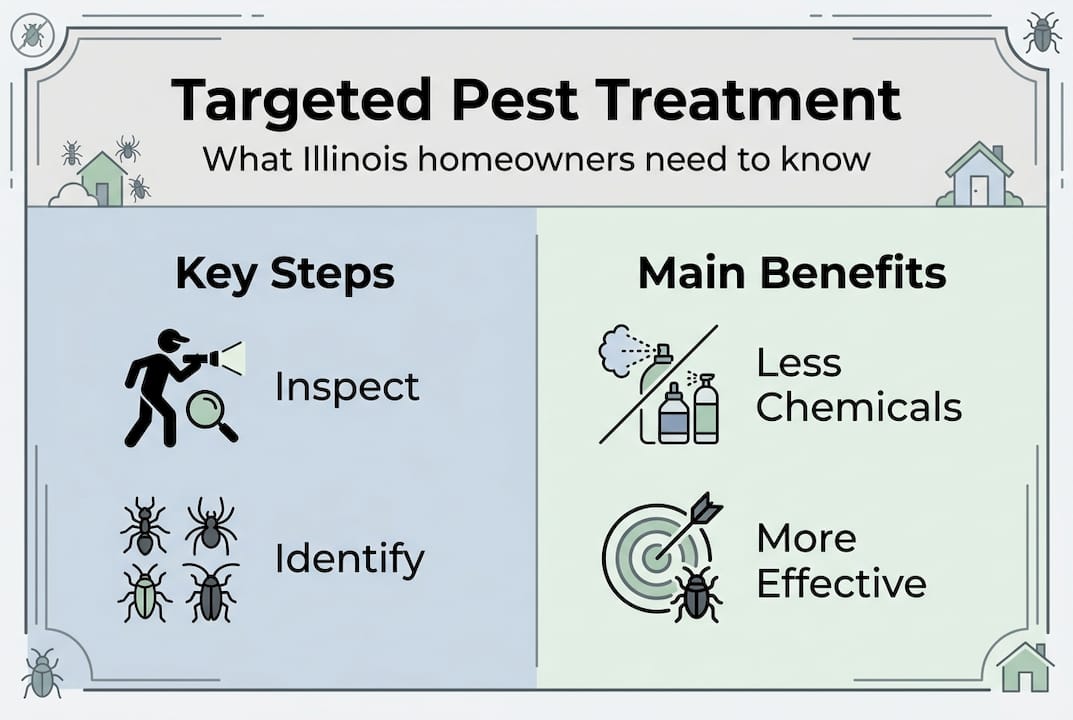
This stands in sharp contrast to traditional general pest control methods, which often involve applying pesticides across large areas regardless of where pests actually are. Broad spraying can expose your family and pets to chemicals they don’t need to encounter, and it pressures pest populations in ways that speed up resistance.
Here’s a quick comparison to make this concrete:
| Feature | Broad-spectrum spraying | Targeted pest treatment |
|---|---|---|
| Coverage area | Entire home or yard | Specific hotspots and pathways |
| Chemical volume | High | Minimal |
| Resistance risk | Higher | Lower |
| Long-term effectiveness | Often short-lived | More durable |
| Safety for family/pets | More exposure | Reduced exposure |
The benefits of going targeted are real and practical:
- Less chemical use in and around your home
- Focus on actual problem areas rather than guesswork
- Lower risk of pest resistance building over time
- Faster identification of the root cause
- Better results on recurring infestations
Consider a simple example. You have ants in your kitchen. Broad spraying might kill the ones you see, but the colony behind your wall is untouched. A targeted approach traces the ant trail back to its entry point, treats that specific gap, and may use bait that worker ants carry back to the colony. The colony dies. The problem stops.
“The goal of targeted pest treatment is not just to kill pests on contact, but to eliminate the source and prevent reinfestation by working precisely where pests actually live and travel.”
Safety and effectiveness aren’t competing goals here. They reinforce each other. When you use the right pest control methods in the right places, you get better outcomes with less risk.
How targeted pest treatment works: Steps and science
Knowing what targeted treatment is matters. Knowing how it actually gets done is what helps you evaluate whether a pest control provider is doing the job right.
The process follows a structured sequence that professionals use to make smart, evidence-based decisions. IPM core methodologies include inspection and monitoring to set action thresholds, prevention via exclusion and sanitation, and tiered controls starting with non-chemical options like traps or baits before targeted pesticides.
Here’s how that plays out step by step:
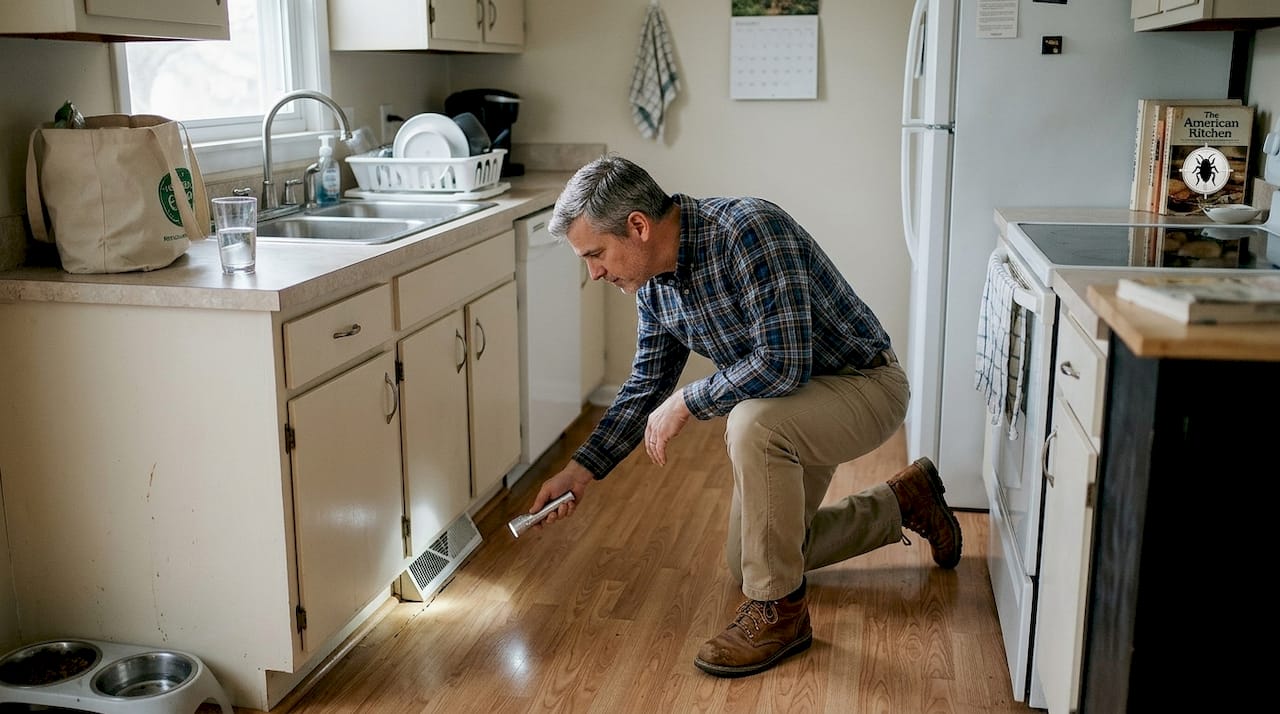
- Inspection — A professional walks your property looking for pest activity, entry points, moisture issues, and structural vulnerabilities. This is where the real work begins.
- Monitoring — Traps, sticky boards, or visual checks confirm what pests are present and how active they are.
- Action threshold — The professional determines whether the pest level is high enough to require treatment, or whether prevention alone will work.
- Prevention — Sealing cracks, fixing moisture problems, and removing food sources come before any chemical is applied.
- Targeted control — If treatment is needed, the least toxic option goes first: baits, traps, exclusion barriers. Pesticides are used only where necessary.
Action thresholds are one of the most important concepts here. Not every spider or ant you see requires treatment. Professionals set a threshold: when pest activity reaches a level that poses a real risk, then treatment is triggered. This prevents unnecessary chemical applications.
| Pest | Action threshold example |
|---|---|
| Ants | Active trail inside home or near food sources |
| Termites | Any confirmed activity near wood structures |
| Mice | Evidence of droppings, gnawing, or nesting |
| Cockroaches | Any sighting indoors |
| Mosquitoes | Standing water present with breeding activity |
For rodent control steps, professionals look for gnaw marks, droppings, and entry gaps smaller than a dime. Mice can squeeze through a hole the size of a pencil eraser. Knowing that changes where you focus treatment entirely.
Pro Tip: Ask your pest control provider to walk you through their inspection findings before any treatment begins. A good professional should be able to show you exactly where pests are active and explain why they’re recommending a specific method.
Tools and technology in targeted pest treatment
When people hear “precision pest management,” they sometimes picture drones and GPS sensors. That technology exists, but it’s built for large agricultural operations, not your home in Illinois.
Residential pest control relies on manual inspection and targeted baits, which are effective for homes without needing advanced tools. The tools that matter for your home are practical, proven, and highly effective when used correctly.
Here’s what professionals actually use in Illinois homes:
- Bait stations — Placed along pest pathways, these deliver targeted doses that pests carry back to their colony or nest. Highly effective for ants, roaches, and rodents.
- Exclusion devices — Door sweeps, mesh screens, and sealants that physically block pest entry. No chemicals needed.
- Targeted sprays — Applied only to specific cracks, entry points, or harborage areas rather than open surfaces.
- Monitoring boards — Sticky traps placed in strategic spots to track pest activity levels over time.
- Moisture meters — Used to find hidden water damage that attracts termites and other pests.
The benefit of these focused tools is significant. Studies comparing targeted and broad-spectrum approaches consistently show that precision methods reduce overall pesticide volume while maintaining or improving control outcomes. Less product used means less exposure for your family and less environmental impact around your home.
For targeted termite tools, bait stations placed in the soil around your home’s perimeter intercept termite workers before they reach your structure. This is far more effective than blanket soil treatments for many situations.
For bed bug detection, professionals use interceptor traps under bed legs and visual inspections of seams, outlets, and furniture joints. No guessing. No unnecessary spraying.
Pro Tip: When hiring a pest control company, ask specifically: “What monitoring tools will you use, and how will you confirm pest activity before treating?” If they can’t answer clearly, that’s a red flag.
Integrated pest management: The philosophy behind targeting
Targeted pest treatment doesn’t exist as a standalone technique. It’s the practical expression of a broader philosophy called integrated pest management, or IPM. Understanding IPM helps you see why targeted treatment is the smarter long-term choice.
IPM is a framework developed and promoted by environmental and agricultural agencies to manage pests in ways that minimize risk to people, property, and the environment. The EPA describes it clearly: IPM uses action thresholds to avoid unnecessary treatment, with chemicals as a last resort using low-toxicity, species-specific products to prevent resistance.
For Illinois families, IPM translates into real, everyday decisions:
- Traps and sanitation first — Before any chemical is considered, physical controls and cleanliness changes are made.
- Lowest toxicity options — When treatment is needed, the product with the least risk to humans and pets is chosen.
- Species-specific products — A treatment designed for termites won’t be used on ants. Precision matters at every level.
- Ongoing monitoring — IPM doesn’t end after one visit. Monitoring continues to catch new activity early.
- Resistance prevention — Rotating methods and avoiding overuse of any single product keeps pests from adapting.
“IPM is not about eliminating all pesticide use. It’s about using pesticides only when necessary, in the smallest effective amounts, and in ways that minimize risk to people and the environment.”
For local pest management tips specific to Illinois, IPM principles apply especially well given the state’s seasonal extremes. Cold winters push rodents indoors. Wet springs create mosquito breeding conditions. Hot summers drive ants and cockroaches into cool, moist spaces. An IPM approach accounts for these patterns and prepares your home before infestations start.
Targeted pest treatment in action: Common pest scenarios for Illinois homes
Theory is useful. Seeing how targeted treatment plays out in real situations is what makes it click for most homeowners.
Scenario 1: Ant trails in the kitchen
- A professional spots a visible trail from the baseboard to the pantry.
- Monitoring confirms carpenter ants, not just pavement ants. That distinction matters for treatment.
- The entry point is found at a gap behind the dishwasher.
- Bait is placed along the trail. The gap is sealed.
- Follow-up monitoring confirms the colony is gone within two weeks.
Scenario 2: Mouse entry points in an older home
- Droppings are found near the water heater and under the kitchen sink.
- Inspection methods reveal three entry gaps along the foundation and a gap around a utility pipe.
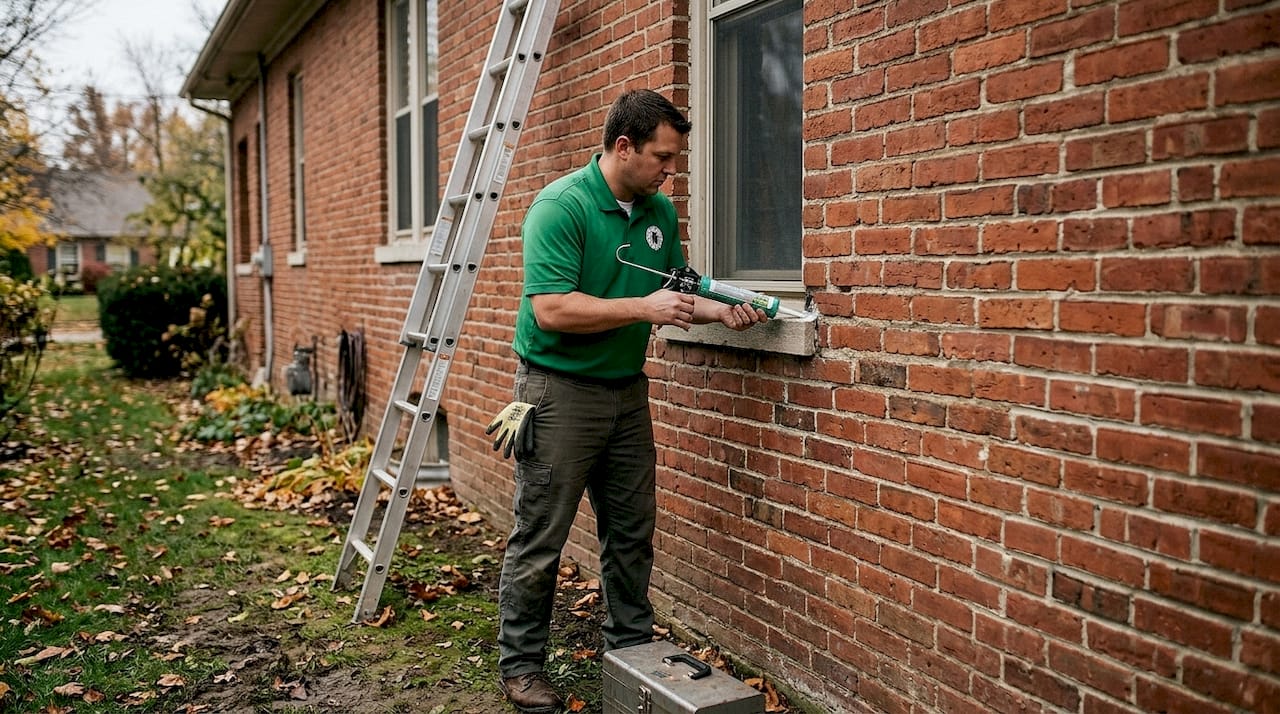
- Snap traps are placed at active spots. Entry points are sealed with steel wool and caulk.
- No rodenticide is needed because the source is addressed directly.
Scenario 3: Termite baiting around the perimeter
- A homeowner notices mud tubes along the foundation.
- A professional confirms subterranean termite activity.
- Bait stations are installed around the perimeter per IPM principles.
- Workers feed on the bait and bring it back to the colony.
- Monitoring stations track activity decline over the following months.
Illinois homes face specific vulnerabilities. Older construction in many neighborhoods means more gaps and cracks. Clay soil holds moisture that attracts termites. Knowing your local conditions shapes where professionals look first.
Pro Tip: If you’re seeing the same pest problem return every season, that’s a clear sign the source hasn’t been addressed. A targeted bed bug plan or a termite targeted treatment that focuses on the source will outlast any repeated broad spray every time.
Our take: Rethinking how you control pests at home
After years of working in Illinois homes, one pattern stands out clearly. Homeowners who rely on blanket spraying keep calling back. Not because pests are unbeatable, but because the source never gets addressed.
Broad spraying feels decisive. It smells like something is happening. But most of the time, it’s treating symptoms while the actual colony, nest, or entry point sits untouched. We’ve walked into homes that had been sprayed quarterly for years and still had active termite damage progressing behind the walls.
The shift happens when homeowners stop asking “what kills this pest” and start asking “where is this pest coming from.” That question leads to inspection, to source identification, to targeted action. Fewer chemicals. Fewer callbacks. Better outcomes.
We’ve seen it with case studies on termite targeting where bait stations resolved infestations that repeated liquid treatments never touched. The method matters as much as the product. Ask your provider to explain their targeting strategy before you agree to any treatment plan.
Next steps: Trusted targeted pest control for your home
If reading this made you realize your current pest control approach might be missing the source, you’re not alone. Most Illinois homeowners don’t find out until they get a real professional assessment.
At BugEvicta, our trusted pest control experts use the targeted, inspection-first approach described throughout this guide. We don’t spray and hope. We inspect, identify, and treat precisely where pests are active. Whether you’re dealing with recurring ants, a rodent problem, or concerns about termites in your foundation, we build a plan around your specific home and the pests that are actually present. Reach out to schedule an inspection and get a clear picture of what’s happening in your home.
Frequently asked questions
What are the main benefits of targeted pest treatment?
Targeted pest treatment reduces chemical usage, limits resistance, and delivers more effective long-term control by focusing on specific hotspots rather than treating entire areas indiscriminately.
How is targeted treatment different from regular pest control?
Unlike regular pest control, targeted treatment focuses on active pest areas using the least toxic methods first, working through inspection and monitoring before any chemical is applied.
Do Illinois pest professionals use high-tech tools for homes?
Most Illinois professionals rely on thorough inspection and specific baits rather than advanced technology like GPS or drones, which are better suited for large agricultural settings.
Is targeted pest treatment safe for children and pets?
Yes, because low-toxicity, species-specific products are used only where needed, minimizing exposure compared to broad applications that cover large areas of your home.