

You might call them "asian beetles," but in most Adams County homes, that name usually means multicolored Asian lady beetles (Harmonia axyridis). They look close enough to ladybugs that many people shrug them off at first, right up until dozens gather on a sunny window or wall.
If you're searching for asian beetles adams county il, the main issue is usually fall home invasion by these invasive pests, not damage to agricultural crops or a dangerous infestation. Around Quincy and the rest of western Illinois, timing and prevention matter more than panic.
Key Takeaways
- Multicolored Asian lady beetles (Harmonia axyridis) invade Adams County homes in fall, drawn to sunny south- and west-facing walls before entering through cracks to overwinter.
- Identify them by the pale pronotum with a dark M-shaped mark behind the head, unlike more uniform native ladybugs; correct ID guides the right control steps.
- Prevention beats panic: Seal cracks, repair screens, and add door sweeps in late summer; vacuum indoors without crushing to avoid stains and odors.
- They're a seasonal nuisance, not a dangerous pest—no crop damage or outbreaks reported in western Illinois as of April 2026; contact Illinois Extension for local advice.
What people in Adams County usually mean by "asian beetles"
Multicolored Asian lady beetles are not the same as our native ladybugs, even though they belong to the same larger family of lady beetles. Outdoors, both can help by feeding on aphids and other soft-bodied pests, acting as a form of biological control in gardens. Indoors, though, Asian lady beetles become a nuisance because they gather in large numbers and try to overwinter inside homes.
A few details help you tell them apart. Asian lady beetles often range from pale orange to deeper red on their wing covers, and their spots can vary a lot. Many have a pale pronotum behind the head with a dark, M-shaped mark. Native ladybugs are often more evenly red, with a more familiar rounded look and without that clear M-shaped pattern.

Some other insects also get mixed up with them. This quick comparison helps sort them out.
| Pest | Usual look | Key clue | What happens in homes |
|---|---|---|---|
| Asian lady beetle | Orange, tan, or red, spots vary | Often has a dark M-shaped mark behind the head | Clusters on walls, windows, and attics |
| Native ladybug | Usually bright red with black spots | More uniform color and pattern | Rarely gathers indoors in large numbers |
| Boxelder bug | Black with red or orange lines | Longer, flatter body | Often found on sunny siding in fall |
| Brown marmorated stink bug | Brown, shield-shaped | Wider body, banded antennae | Enters homes and gives off odor when disturbed |
For a trusted ID reference, see the Illinois Extension lady beetle guide. Getting the ID right matters, because the best control plan depends on the pest.
Why Quincy-area homes attract them every fall
In western Illinois, Asian lady beetles usually become noticeable when late summer gives way to cool nights and warm afternoons. That weather shift acts like a dinner bell for their overwintering shelter search. South-facing and west-facing walls with southern exposure, especially on light-colored buildings, warm up in the sun, so beetles land there first, then start probing for cracks and crevices.
Homes near fields, tree lines, and wooded edges can see more activity because beetles spend the warm season outdoors feeding and spreading through the landscape. When fall arrives, your siding, soffits, vents, and window trim can look like a rock cliff to them. That's why multicolored Asian lady beetles gather on the outside before slipping in through cracks and crevices.
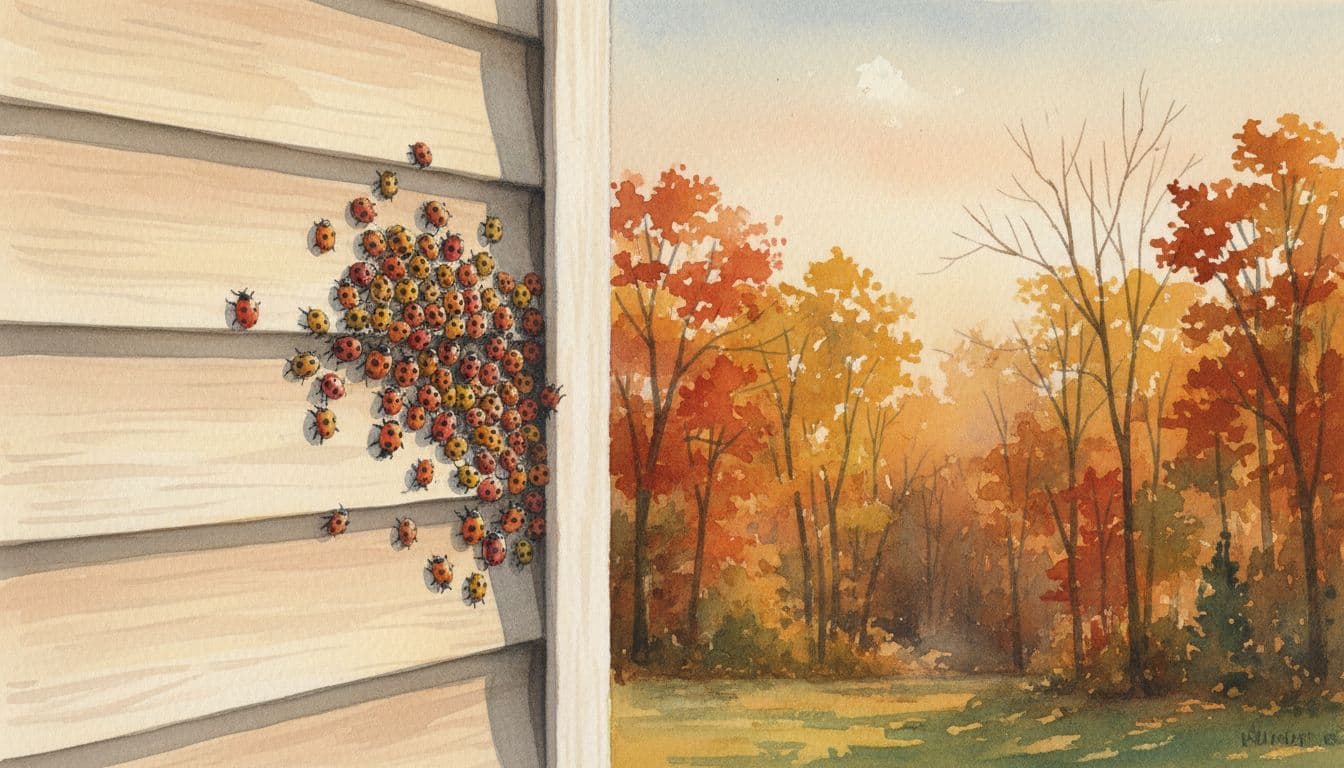
As of April 2026, there isn't reliable public reporting showing a special outbreak in Adams County. Still, Illinois homeowners deal with the same seasonal pattern year after year. The Illinois Extension article on why Asian lady beetles move indoors for winter explains that behavior well.
If you wait until winter to act, you're already late. The best control window is the weeks before fall swarming.
Once they get inside, they often hide in wall voids, attics, soffits, and around window frames. Then, on a sunny winter day or early spring afternoon, they show up again as if they came out of nowhere.
Safe ways to keep Asian lady beetles out and remove them
The best fix is exclusion, which means blocking entry before the beetles settle in. Sprays alone won't solve a house full of gaps. In most Adams County homes, the real work is sealing cracks and crevices, checking window screens, and weather-stripping.
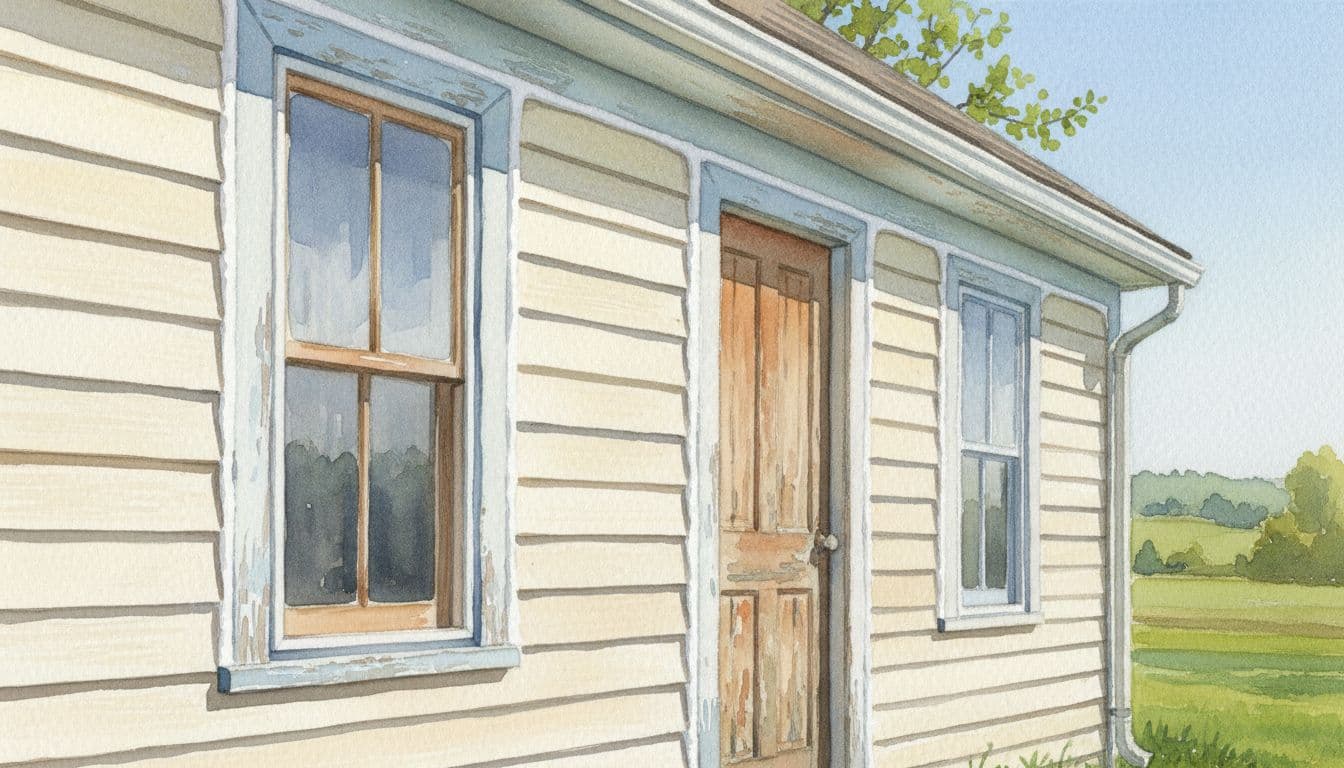
Start outside and work top to bottom. Focus on the sunny sides of the house first, because that is where beetles often collect.
A practical checklist looks like this:
- Seal cracks and crevices around window trim, door frames, utility lines, and siding joints with quality exterior caulk.
- Replace torn window screens and add tight-fitting screens to attic and foundation vents.
- Install door sweeps if daylight shows under exterior doors.
- Check soffits, fascia, and the edges of rooflines where small openings often hide.
- Vacuuming indoor beetles instead of crushing them, then empty the vacuum outside.
That last step matters because crushed beetles trigger reflex bleeding, releasing a yellow fluid with a foul odor that can cause staining on surfaces. Vacuuming is faster, cleaner, and safer for most households. For beetles already inside, indoor traps can help capture them without mess. If you want an easy trick, place pantyhose inside the vacuum wand before use, so you can remove the beetles without spreading debris through the machine.
Outdoor treatment can help in repeat problem areas, but timing is everything. It works best before beetles enter, not after they are already tucked into walls. Insecticides should be used by a pest control professional for exterior barrier treatments. For homeowners who see heavy fall clustering every year, a local pest pro can inspect the exterior and target likely entry points. Illinois Extension also offers Good Growing advice on preventing and managing multicolored Asian lady beetles, which lines up with this same approach.
Frequently Asked Questions
How can I tell multicolored Asian lady beetles apart from native ladybugs?
Asian lady beetles range from pale orange to red with variable spots and often feature a distinctive dark M-shaped mark on their pale pronotum behind the head. Native ladybugs are typically bright red with consistent black spots and lack that M pattern. Check the Illinois Extension lady beetle guide for reliable photos and details.
Why do these beetles show up inside Quincy-area homes every fall?
Cool nights and warm afternoons signal them to seek overwintering shelter, with south-facing walls on light-colored homes acting like magnets. They cluster outside near fields or woods before slipping through gaps in siding, windows, or vents. Once inside wall voids or attics, they reappear on sunny winter days.
What's the best way to keep Asian lady beetles out of my Adams County home?
Focus on exclusion before fall: Seal cracks around windows, doors, and siding with exterior caulk, fix screens, and install door sweeps. Target sunny sides first, as that's where they gather. See Illinois Extension's advice on preventing lady beetles for a full checklist.
Can I just vacuum up the beetles I find indoors?
Yes, vacuuming is the safest, cleanest method—use a wand with pantyhose inside to contain them, then dispose outside. Avoid crushing, as it releases foul-smelling yellow reflex blood that stains walls and fabrics. For heavy clusters, indoor traps work well too.
Do Asian lady beetles cause damage or pose a health risk?
They're mainly a nuisance, not destructive to homes or crops in Adams County; no biting or stinging occurs. Large numbers can stain surfaces if crushed, but proper vacuuming prevents that. If swarms persist, a local pest pro can apply targeted exterior treatments.
What to remember before beetle season returns
Multicolored Asian lady beetles in Adams County are mostly a timing problem. They show up when cool weather pushes them toward warm, sunny homes, and small gaps give them a way in.
Prevention is key if your house gets hit every fall, so inspect the exterior before the weather turns. Seal cracks first, remove beetles safely, and get help if the swarms keep coming back. Residents can contact the local Illinois Extension office if they have further questions about managing these pests. That one step of prevention, done early, can spare you a winter of finding Asian lady beetles on every bright window.