
Termites can turn a solid-looking house into a repair project without much warning. In Hannibal, that matters for long-term homeowners and for buyers trying to close a deal without hidden damage waiting under the surface.
The main local concern is the eastern subterranean termite, the type most often associated with Missouri homes. These pests stay out of sight, so damage can grow before anyone notices. In Hannibal, termite inspections often run about $307 to $448, while treatment often falls around $286 to $417. Larger homes, slab drilling, or heavier activity can push the price higher.
If you're trying to find an affordable termite inspection, the goal isn't the lowest number on paper. It's a thorough check, a treatment plan that fits the house, and smart prevention that keeps costs from snowballing.
Why termite problems in Hannibal can get expensive fast
Termites eat wood from the inside out. Because of that, a small problem can stay hidden while joists, trim, or sill plates slowly weaken. By the time paint bubbles or doors stop closing right, the repair bill may be much bigger than the treatment bill.
That risk matters in Hannibal because subterranean termites live in soil. They don't need a wide-open path into your house. A gap near the foundation, a plumbing entry point, or wood touching damp ground can be enough. For buyers, that means a clean-looking basement isn't proof of a clean termite history. For owners, it means routine checks are often cheaper than fixing structural wood later.
National cost guides also show how quickly pricing changes when infestation size and home layout shift. Angi's termite inspection cost guide and Orkin's overview of termite treatment cost factors both point to the same pattern: severity, access, and treatment method drive the final number.
The most common termite risk in Hannibal homes
In Missouri, the biggest concern is usually the eastern subterranean termite. These termites build colonies in soil and travel through mud tubes to reach wood. That makes homes with moisture issues and ground contact more exposed.
Some conditions raise the odds of trouble:
- Wood siding, lattice, or trim touching soil
- Leaky spigots and poor drainage near the foundation
- Damp crawl spaces and wet basement edges
- Mulch piled too high against the house
- Firewood stacked close to exterior walls
- Cracks around utility lines or slab edges
A house doesn't need to be old to attract termites. Newer homes can have risk too, especially if grading pushes water toward the foundation.
Early signs that should never be ignored
The warning signs are often small, but they mean a closer look is overdue. Watch for mud tubes on concrete or block foundations, shed wings near windows, hollow-sounding wood, bubbling paint, sticking doors, soft trim, and spring swarmers, often after warm rain.
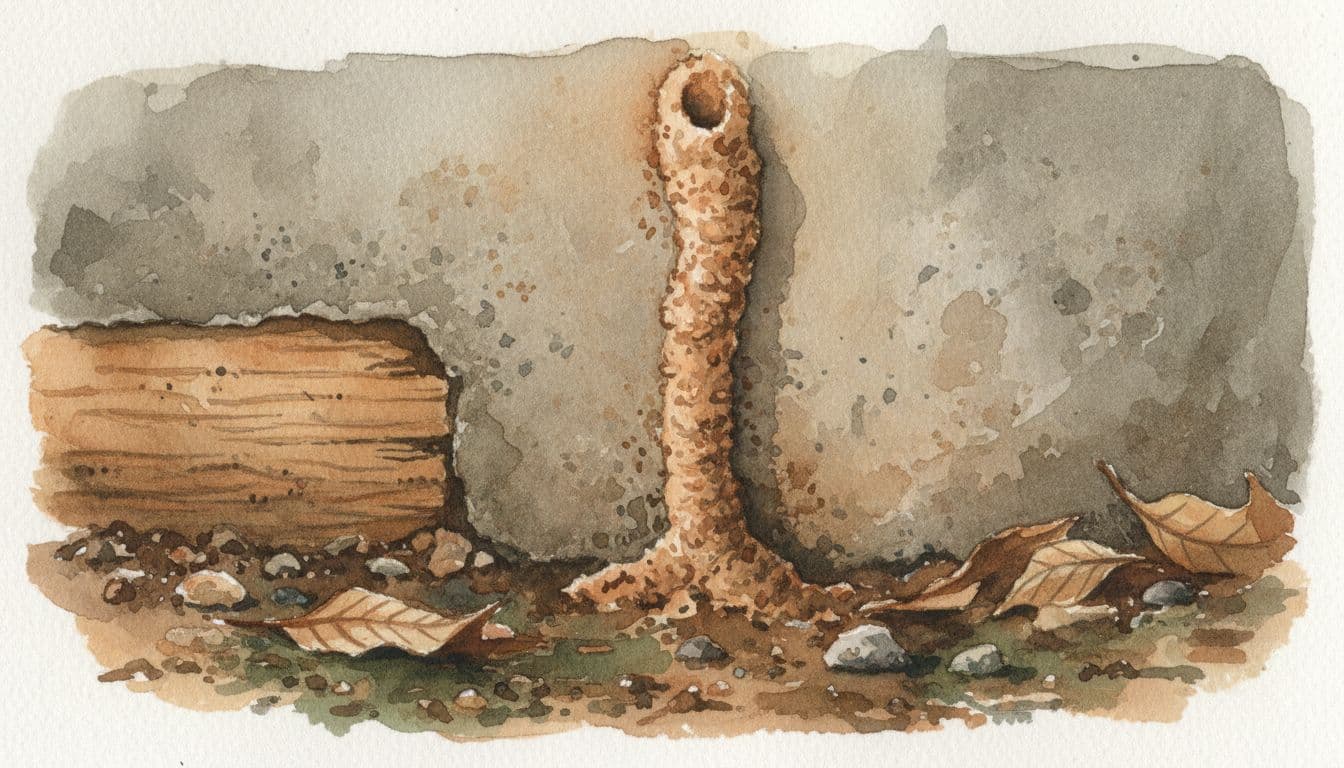
Termites and ants get mixed up all the time. Swarming termites have straight antennae and equal-length wings, while ants look different on close inspection. Still, most people won't spot that in the moment. A professional inspection helps confirm what you're seeing before you spend money on the wrong fix.
A cheap inspection is only a bargain if it clearly shows where the inspector looked and what was found.
What an affordable termite inspection usually includes
A solid inspection should tell you more than "yes" or "no." It should show where the risk is, where activity appears, and what parts of the home were hard to access. That matters when you're comparing companies, especially during a home sale.
For cost context, broad national ranges are often lower than local Hannibal pricing. HomeGuide's termite inspection cost page shows how inspection fees can vary by property size and purpose, but local travel, layout, and market conditions often raise the final quote.
Areas a good inspector should check
A proper termite inspection usually starts outside and moves inward. The inspector should check foundation walls, crawl spaces, basements, garages, porches, window frames, sill plates, and exterior wood that touches soil. If the layout calls for it, attics and plumbing entry points should also be reviewed.
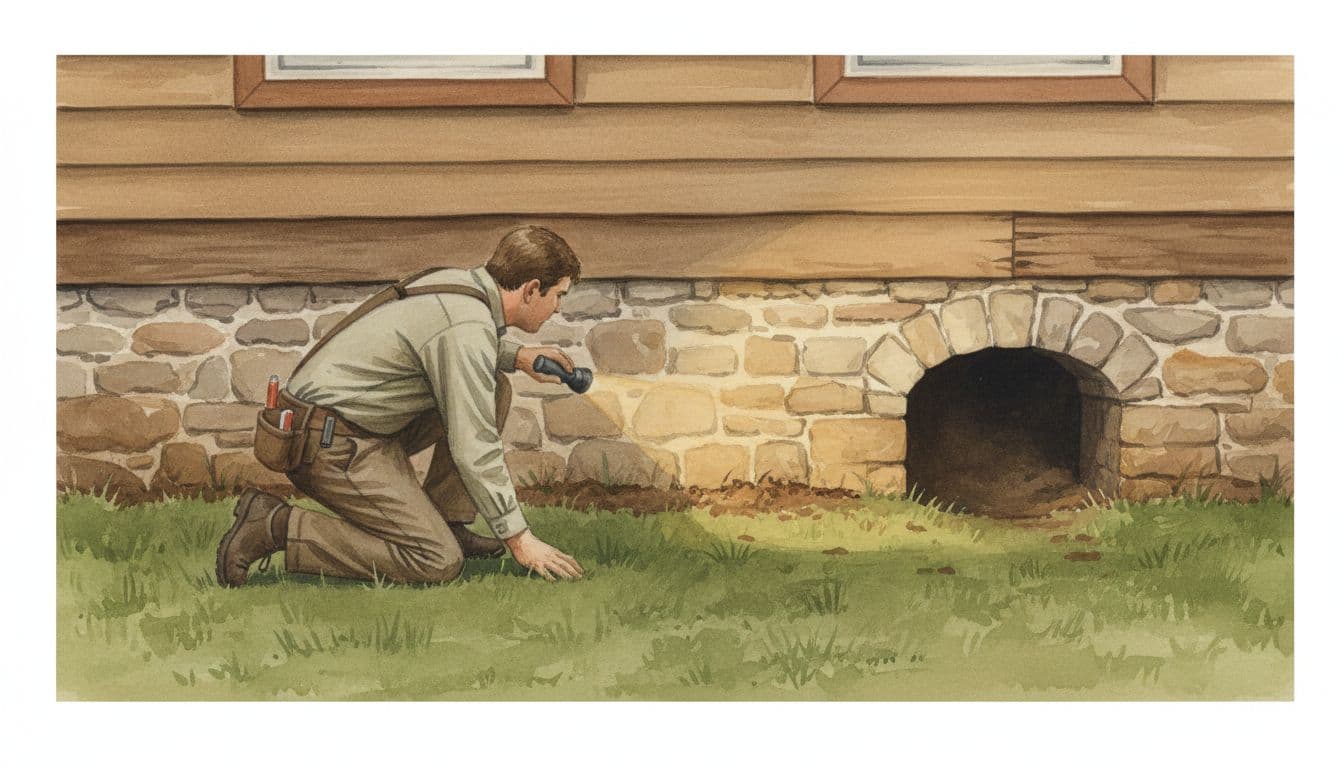
Moisture is a major clue. Termite activity often begins where damp soil and wood meet, so a rushed walk-around misses the point. A written report should note visible signs, risk conditions, inaccessible areas, and whether active treatment is recommended.
Inspection costs in Hannibal and what affects the price
This quick table gives a simple local baseline.
| Service | Typical Hannibal cost | | | | | Termite inspection | $307 to $448 | | Termite treatment | $286 to $417 |
Those numbers help, but the final price depends on the home. Size matters, of course. So do layout, crawl space access, finished basements, attached structures, and whether the inspection is tied to a real estate deal. Some companies may offer free inspections, especially when they hope to win the treatment work. That's fine, but ask for the scope in writing.
A low fee with a thin report can leave buyers exposed. On the other hand, a careful inspection can help a seller document conditions before listing and help a buyer judge risk before closing.
Treatment options that balance cost and long-term protection
The right treatment depends on where termites are active, how far they have spread, and how the home is built. A low upfront price can look attractive, but it may cost more later if the plan misses the colony or leaves key entry points unprotected.
Liquid barrier treatments and when they make sense
Liquid termiticides are applied in soil around the foundation to block and kill subterranean termites. This is one of the most common treatments for active infestations because it targets the path termites use to reach the house.
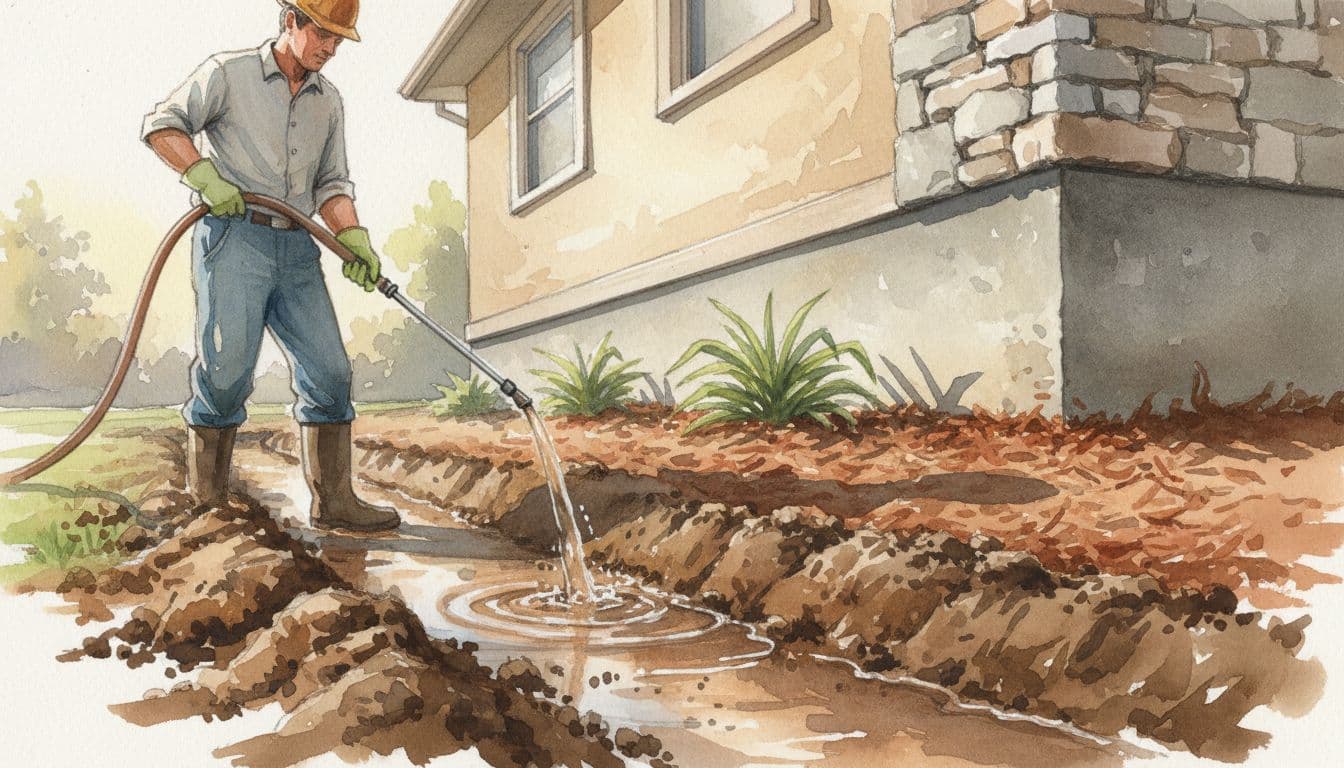
Liquid treatment often makes sense when the foundation is easy to access and the activity pattern is clear. However, cost rises when technicians need to drill through slabs, work around attached garages, treat under porches, or reach tight spots around additions. If a quote is much lower than others, ask whether those harder areas are included.
Bait systems for monitoring and control
Bait stations go into the ground around the home. Termites feed on the bait and carry it back to the colony. That can make bait systems useful for long-term monitoring and colony control, especially when soil treatment would be more disruptive.
The tradeoff is service frequency. Bait systems often require repeat visits and an ongoing plan, so the first bill may look lower while the long-term cost grows over time. For some houses, that's still the best value, especially when access is limited or when a homeowner wants continued monitoring after treatment.
Spot repairs, wood treatment, and why they are not always enough
Spot treatment can help when damage is isolated to one area, such as a porch post or trim board. Wood treatments may also support a broader plan. Still, subterranean termites don't stay politely in one spot. If the colony is in the soil, treating only the visible damage may leave the main problem untouched.
That is why affordable termite inspection matters so much. A good inspector helps separate surface damage from a full infestation, so you don't spend money on a patch when the home needs wider control.
How to keep termite costs down without taking a shortcut
Saving money on termite work is possible, but the savings usually come from timing and prevention, not from skipping important steps. Homeowners who act early often pay for inspection and treatment, while homeowners who wait may pay for carpentry too.
Simple prevention steps that lower risk
Small fixes can reduce termite pressure around a house. Repair leaks, improve drainage, and keep mulch and soil below the siding line. Move firewood away from the home, seal obvious cracks around utility entries, and reduce wood-to-soil contact wherever you can.
Missouri termite prevention advice from BugOut's state termite resource also reflects the same reality: prevention costs far less than structural repair. For buyers, that means checking drainage and exterior wood contact before closing, not after the first storm.
How to compare quotes and avoid paying for the wrong service
Two quotes can have the same price and offer very different value. Read the scope first. Does the company explain the treatment method, the coverage area, and whether follow-up visits are included? Does the paperwork mention a retreatment policy or annual renewal fee? If damaged areas were found, are they documented clearly?
During a real estate transaction, those details matter even more. A vague estimate can create friction between buyer and seller because nobody knows what is actually covered. Clear reporting helps both sides. If you want another point of reference for provider shopping, Pests.org's Hannibal pest company comparison page shows how inspection offers and service terms can differ between companies.
Termites hide for a living. Your quote shouldn't.
A house in Hannibal doesn't need obvious damage to have termite risk. The smart path is a thorough inspection, the right treatment for subterranean termites, and simple prevention that keeps future costs under control.
If you've seen mud tubes, spring swarmers, or soft wood, don't sit on it. The same goes for any sale or purchase that depends on knowing what is happening behind the walls and along the foundation.