

A termite problem rarely starts with a dramatic warning. More often, it begins in damp soil near the foundation, then moves into wood you don't see every day.
For planned termite treatment Illinois homes usually do best with service in late winter through spring. In Quincy and nearby West Central Illinois, that often means late February through April. Still, if you already see signs of termites, the best time to treat is right now, no matter the month.
Why late winter through spring is the best window in Illinois
Illinois homeowners deal mostly with Eastern subterranean termites. They live in the soil, need moisture, and become easier to spot in spring. Once soil temperatures warm to about 60 degrees, and days reach the 70s after rain, swarmers often appear. Around Quincy, that can start in late March or early April.
That timing matters because spring gives you two advantages. First, colonies become active near the surface. Second, warning signs are easier to notice, especially discarded wings, mud tubes, and indoor swarmers near windows.
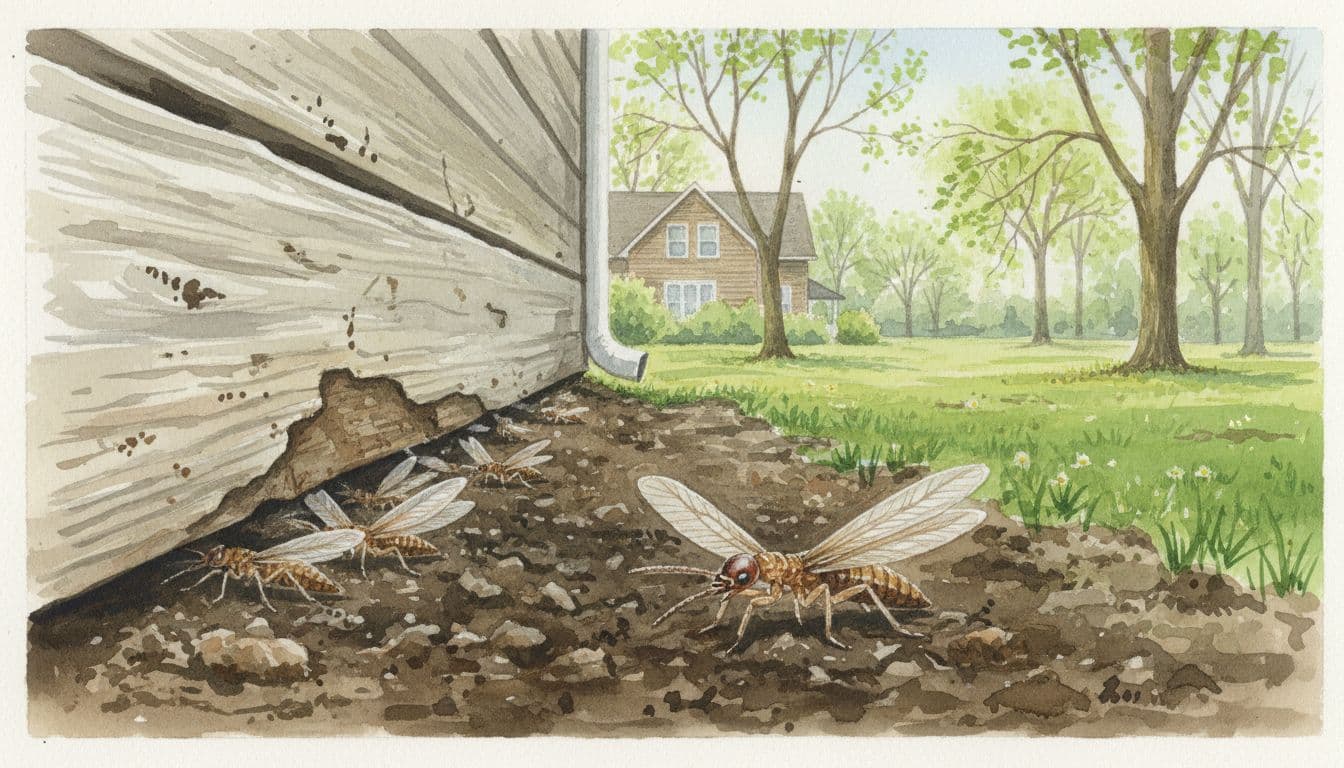
A simple schedule helps:
| Time of year | What termites are doing in Illinois | Best move |
|---|---|---|
| Late winter | Colonies stay hidden, but treatment planning is easy | Schedule an inspection before swarm season |
| Spring | Swarming peaks, especially after rain | Treat fast if you see activity |
| Summer | Feeding continues, moisture risk stays high | Follow up and fix wet areas |
| Fall and winter | Colonies survive below frost line | Keep annual inspections on schedule |
For most homes, the sweet spot is before swarming starts or right as it begins. That gives a pest pro time to inspect, confirm activity, and place a barrier or bait system before the colony expands. For a closer look at local methods, read these termite control solutions for Illinois homes.
Illinois-specific treatment timing also lines up with regional guidance on when termite treatment is necessary in Illinois.
Don't wait if you already see these signs
Season matters for planning. It does not matter once termites are active in your home.
If you spot swarmers indoors, mud tubes on the foundation, hollow wood, or bubbling paint that looks like water damage, call for treatment right away. Subterranean termites don't stop because the calendar says November. They stay active below the frost line and keep feeding when conditions inside the structure are favorable.
If you see wings inside the house or fresh mud tubes outside, waiting usually means more damage.
In Illinois, moisture often tells the real story. A wet crawlspace, poor drainage, a leaking sill area, or mulch packed against the foundation can turn a house into an easy target. That's especially true after a rainy spring or a humid summer. Older homes around Quincy can be at higher risk because of aging wood, settled foundations, and long-term moisture issues.
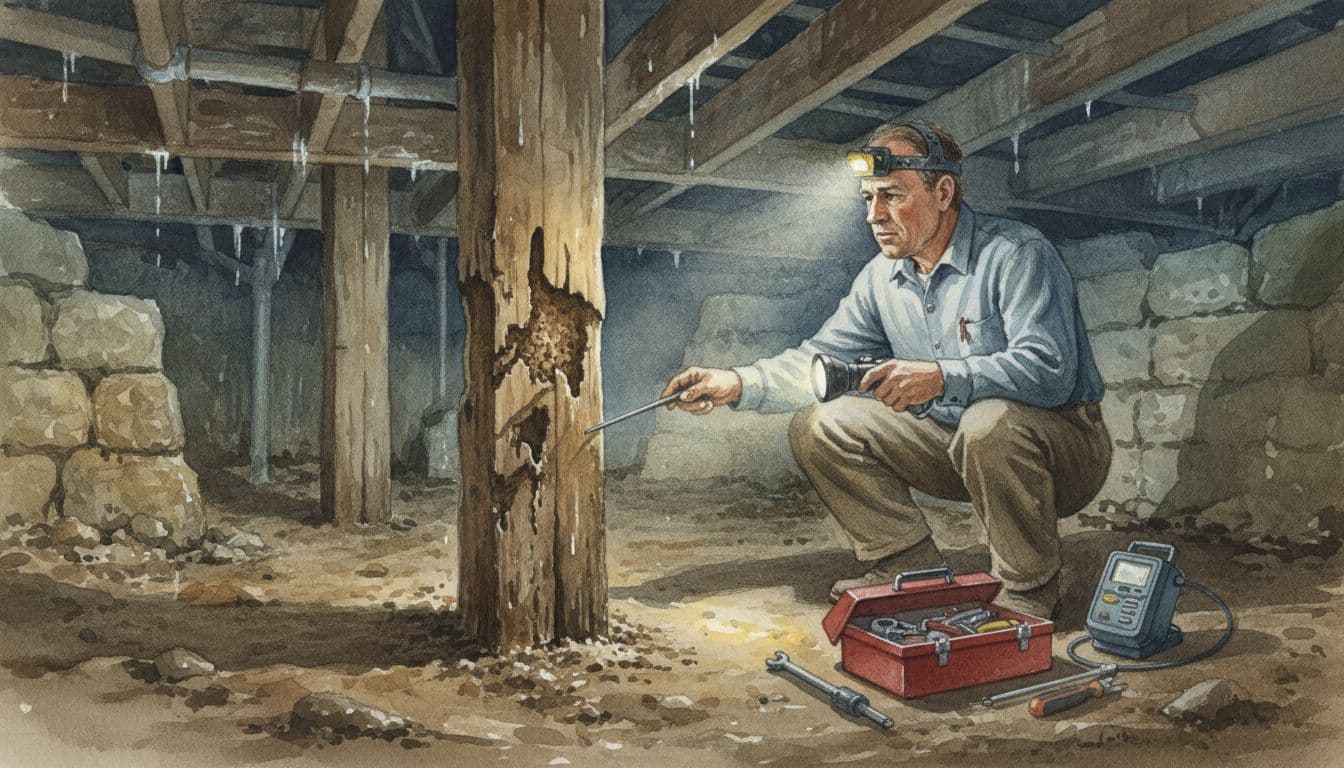
Statewide patterns also support that view. This Illinois termite control and detection overview explains how climate, soil moisture, and building conditions shape termite pressure across the state.
How to prepare your home for termite treatment
A good treatment visit goes smoother when the technician can reach the areas that matter. You don't need to do major work, but a little prep saves time and helps the inspection.
Before the appointment, clear items away from basement walls, crawlspace access points, and the garage perimeter. Move stored boxes, pet items, and stacked lumber away from the foundation. Outside, trim back plants that block the lower wall line, and unlock gates if the yard is fenced.
These steps help most:
- Keep at least 2 to 3 feet clear around the inside and outside foundation where possible.
- Point out leaks, soft wood, or places where you saw wings.
- Make sure crawlspace doors, attic hatches, and utility rooms are easy to access.
- Ask whether you should avoid watering near the foundation right before service.
If treatment includes trenching, drilling, or bait stations, your technician may give more specific instructions. Follow those closely. Also, mention past termite work, additions, or foundation repairs, because those details affect where termites travel and how treatment should be placed.
How to lower termite risk after treatment
Treatment is one step. Keeping termites away is an ongoing home care job, especially in Illinois.
Start with moisture. Clean gutters, extend downspouts, and make sure water drains away from the house. Fix plumbing drips fast. In crawlspaces, improve ventilation or ask about a vapor barrier if the area stays damp. Wet wood is like an open invitation for subterranean termites.
Next, cut off easy access. Keep firewood well away from the house. Avoid wood mulch piled against siding. Leave a visible gap between soil and wood trim when possible. If fence posts, steps, or deck parts touch soil near the home, inspect them often.

Annual inspections matter just as much as repairs. In Illinois, the best habit is to book one inspection every year, ideally in late winter or early spring. If your home has had termites before, or if last season was unusually wet, ask if a mid-year check makes sense. This termite prevention guide for Illinois homeowners offers more local prevention steps you can use between visits.
Spring gets the attention because swarms make termite activity easier to catch. Still, the best protection comes from acting early, fixing moisture problems, and sticking to a yearly inspection plan.
For Illinois homes, especially around Quincy, late winter through spring is the best time to schedule treatment and inspection. But once termites are active, immediate action beats perfect timing every time.