

One roach on the floor can signal a cockroach infestation and point to two different problems. For Quincy homeowners, the german vs american cockroach identification matters for effective pest control because the smaller one usually breeds indoors, while the larger one often wanders in from damp spaces, drains, or outside.
In the german vs american cockroach comparison, if you can tell them apart fast, you can look in the right places first. Start with the easiest clues, size, color, and where you found it.
Key Takeaways
- German cockroaches are small (about 1/2 inch), light brown with two dark stripes behind the head, and signal indoor breeding problems in kitchens, bathrooms, and behind appliances.
- American cockroaches are much larger (1 1/2 to 2 inches), reddish-brown, and often enter Quincy homes from damp basements, drains, or outside through gaps.
- Quick ID by size, color, and location helps target the right spots: stripes and small mean inspect cracks near food/moisture indoors; large and glossy mean check for water issues and entry points.
- Prevention focuses on sanitation, fixing leaks, sealing cracks, and reducing clutter to cut food, water, and hiding spots for both species.
- Act early on sightings—German roaches multiply fast indoors, while American point to ongoing moisture problems; pros help for infestations.
Quick visual ID tips that work in real life
The fastest way to tell these roaches apart by size and appearance is to think of a compact car and a pickup truck. German cockroaches are small, light brown, and they have two dark stripes behind the head. American cockroaches are much larger, reddish-brown, and often look long and glossy.
This side-by-side table makes the differences easier to spot.
| Feature | German cockroach | American cockroach |
|---|---|---|
| Scientific name | Blattella germanica | Periplaneta americana |
| Size | About 1/2 inch | About 1 1/2 to 2 inches |
| Color | Light brown | Reddish-brown |
| Marking | Two dark parallel lines behind the head | Figure-eight pattern on pronotum |
| Common indoor spots | Kitchens, bathrooms, behind appliances | Basements, drains, laundry rooms, utility areas |
| What one sighting may mean | Often more are hiding nearby | Could be an outside invader, but moisture is often involved |
The short version is simple. If the roach is small and striped, think German cockroach. If it's large and reddish-brown, think American cockroach.
Small, light brown, and striped usually means an indoor breeding problem. Large and reddish-brown usually points to moisture, drains, or entry from outside, especially with American cockroaches known as palmetto bugs or water bugs.
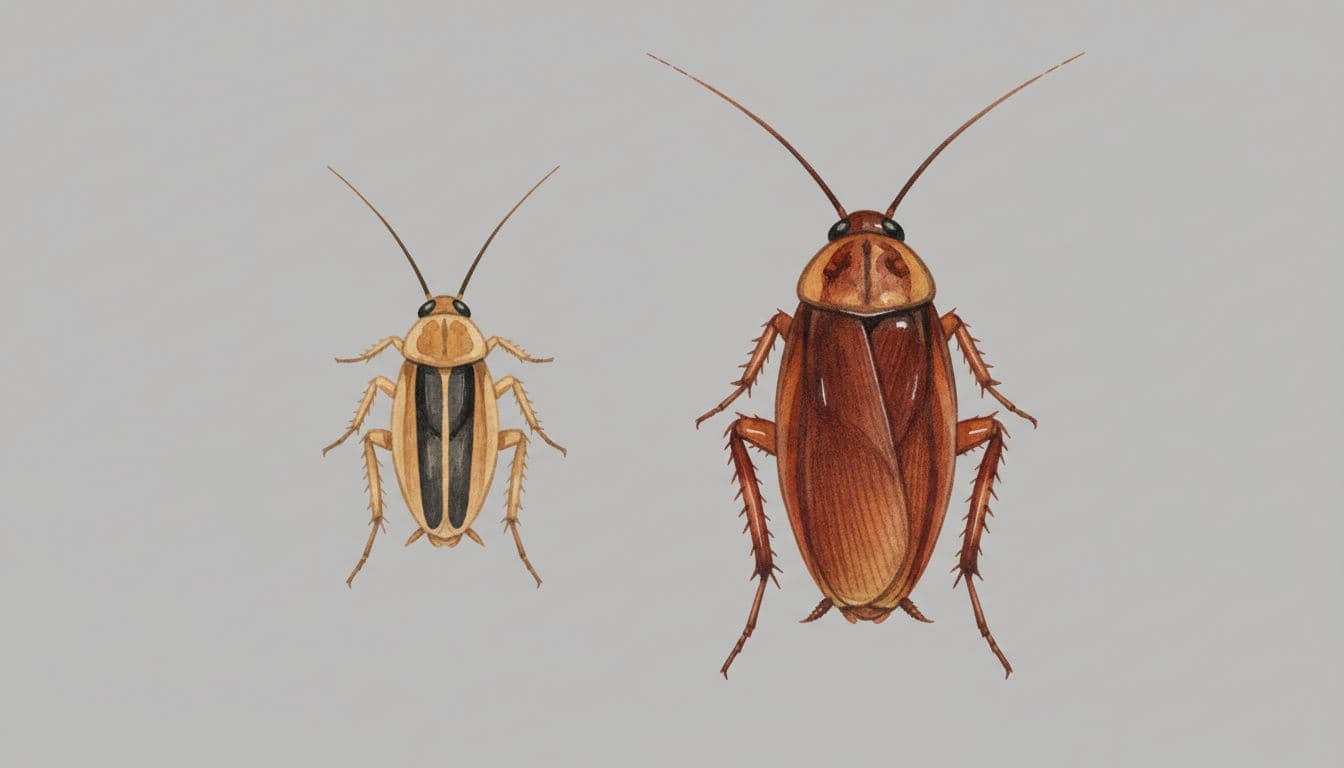
Where you see the roach also helps. A tiny striped German cockroach near the coffee maker, dishwasher, or under-sink cabinet usually fits the pattern. A big reddish-brown American cockroach in the basement, near a floor drain, or by the water heater leans toward this larger species. If you want a second set of visuals, this roach ID comparison guide offers another look at size and behavior.
Why the difference matters in Quincy homes
German cockroaches act like hidden tenants. They stay close to food, warmth, and moisture, so kitchens and bathrooms are their favorite rooms. As a notorious indoor pest, the German cockroach hides behind the fridge, under the sink, inside cabinet hinges, or around the dishwasher and stove. These nocturnal insects scurry out at night, often with their tiny nymphs tucked into cracks and crevices.
American cockroaches behave differently. This outdoor species prefers damp, dark areas first, then ventures indoors through gaps, drains, garages, or utility spaces. In Quincy, that often means basements, laundry areas, crawl spaces, and rooms with plumbing. The American cockroach is larger and more noticeable when spotted.
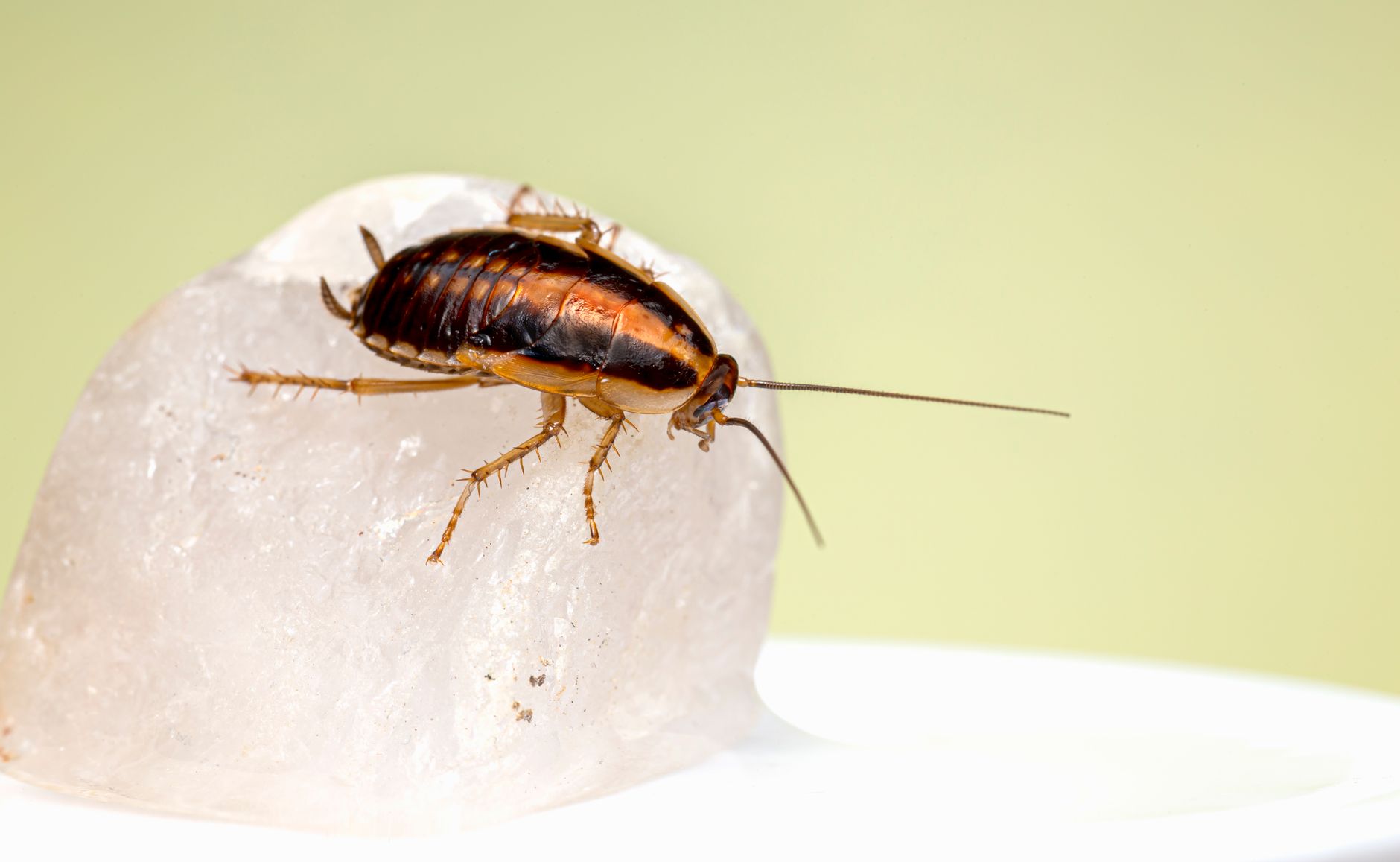
Photo by Erik Karits
That difference changes how you respond. A German cockroach sighting usually means you should inspect indoor hiding spots right away, especially under sinks and around appliances in kitchens and bathrooms. An American cockroach sighting should push you to check for water issues, drain problems, door gaps, and cracks where larger insects can slip in.
One more thing matters. German cockroaches are often the harder long-term problem because of their rapid reproduction rate; they multiply quickly and stay tucked into tight indoor spaces with nymphs in cracks and crevices. American cockroaches are larger and easier to notice, but they can keep showing up if moisture and entry points stay open. For a Midwest-focused look at how the two species behave in homes, this Missouri roach comparison adds useful context.
Prevention steps that make sense for Quincy kitchens and basements
Good roach control starts with sanitation to cut down on food and water sources, plus fewer hiding spots. These steps reduce health risks from bacteria and allergens that cockroaches spread, keeping your family safer. Sprays alone won't solve a problem if the sink drips all night or cardboard stacks stay packed in the basement.
Focus on the basics first:
- Fix leaks under sinks, around toilets, and near fridge water lines to eliminate water attractants.
- Clean grease and crumbs from around the stove, toaster, microwave, and fridge to remove food sources.
- Pull appliances out and vacuum behind them.
- Seal cracks and crevices around pipes, baseboards, and utility lines.
- Use door sweeps and repair torn screens.
- Reduce clutter, especially paper bags and cardboard boxes.
- Store pantry food in sealed containers, not thin packaging.
- Check floor drains, basement corners, and laundry areas for dampness and food and water buildup.
Those steps help both species, but they matter most in different spots. For German roaches, pay close attention to under-sink cabinets, drawer corners, appliance gaps, and egg capsules near appliances. For American roaches, focus on basements, crawl spaces, drains, entry points around doors and foundations, and egg capsules in basements.
If you live in a duplex or apartment, German roaches can also move through shared walls and plumbing paths. In that case, your unit may stay clean and still have a problem. Repeated sightings, egg capsules, or daytime activity usually mean a cockroach infestation that requires professional pest control and treatments.
Frequently Asked Questions
How do I quickly tell a German cockroach from an American one?
German cockroaches are small (about 1/2 inch), light brown with two dark parallel stripes behind the head, while American cockroaches are large (1 1/2 to 2 inches), reddish-brown, and glossy without stripes. Location helps too: small striped ones appear in kitchens near appliances, big reddish ones in basements or drains. Use size first like comparing a compact car to a pickup truck.
Where do German cockroaches hide in Quincy homes?
They prefer warm, moist indoor spots like kitchens and bathrooms—behind fridges, under sinks, inside cabinet hinges, or around dishwashers and stoves. Nymphs and egg capsules tuck into cracks and crevices near food and water. Pull appliances out and check gaps for signs.
What causes American cockroaches to enter homes?
These outdoor pests wander in through gaps, drains, garages, or utility areas seeking moisture in basements, laundry rooms, or crawl spaces. In Quincy, fix leaks, seal cracks around pipes and doors, and clear damp clutter to block them. They're noticeable but keep returning if entry points stay open.
How can Quincy homeowners prevent both types?
Start with sanitation: fix leaks, clean crumbs and grease, vacuum behind appliances, seal cracks, use door sweeps, and store food in sealed containers. Reduce clutter like cardboard in basements. For Germans, focus on kitchen cracks; for Americans, target drains and foundations.
When should I call a professional for cockroaches?
If you see repeated sightings, egg capsules, daytime activity, or issues persist after cleaning, it's likely an infestation needing pro treatment. German roaches spread fast through walls in apartments; Americans signal ongoing moisture. Early action stops health risks from bacteria and allergens.
Know what you're seeing, then act early
The main takeaway is simple. The German cockroach is smaller, striped, and usually tied to indoor infestations. The American cockroach is larger, reddish-brown, and often points to moisture and entry issues.
Don't wait for the next late-night kitchen surprise. If the German cockroach keeps showing up in your Quincy home, prioritize identification to stop a cockroach infestation before the problem spreads. Identify the species, fix the source, and deal with it early.