

Wake up with itchy bites and rusty spots on the sheets, and it's hard to think about anything else. For Quincy homeowners, bed bug treatment becomes urgent fast, because these pests spread quietly and rarely stay in one spot for long.
They can show up in any home, clean or cluttered. Travel, overnight guests, used furniture, and shared spaces can all bring them inside. There also isn't a clear public trend report for Quincy in April 2026, so your best clue is what you find at home, not a citywide headline.
The good news is that early action usually makes treatment easier, less stressful, and less expensive. Here's how to spot the signs, understand your options, and know when it's time to bring in a pro.
How to tell if you have bed bugs in your Quincy home
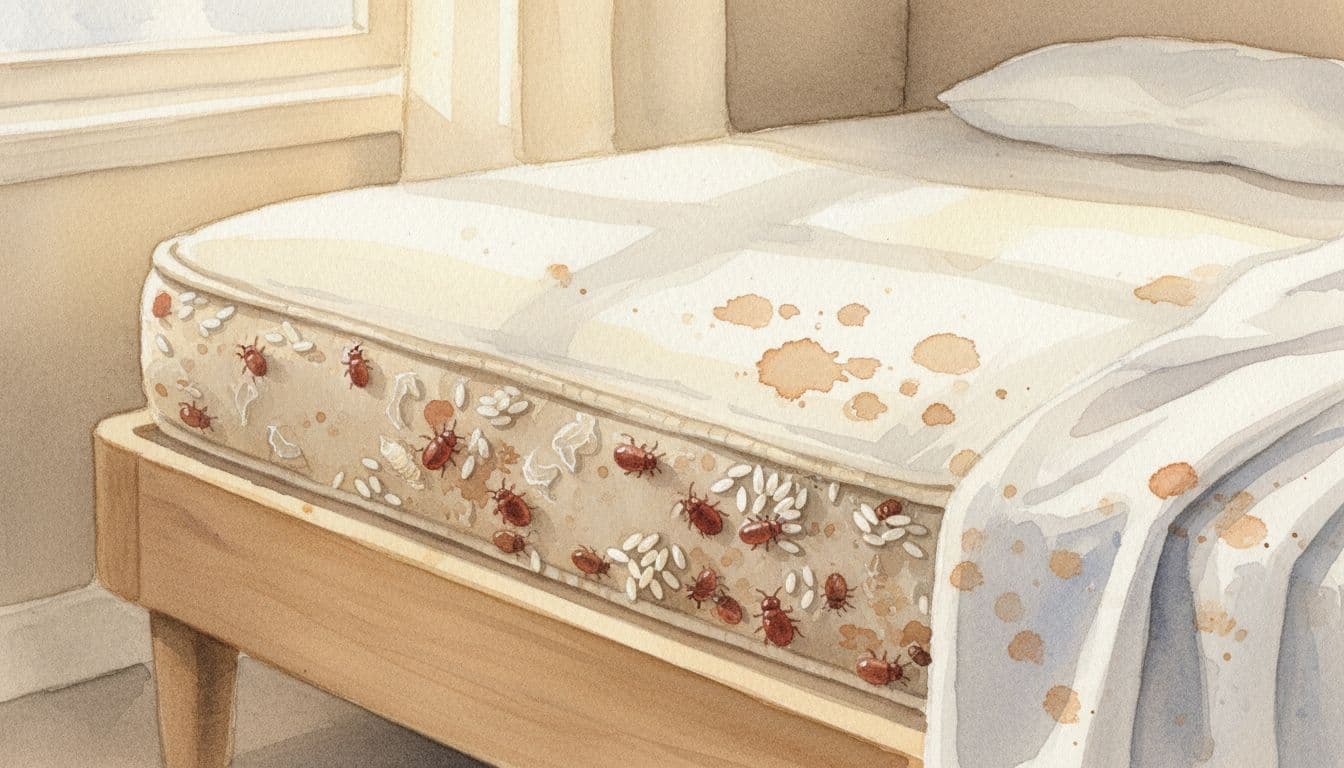
Bed bugs are small, flat, reddish-brown insects, about the size of an apple seed as adults. During the day, they hide close to where people sleep or rest. That means you're more likely to find them in mattress seams, box springs, headboards, bed frames, couches, recliners, and small cracks near the bed.
Bites get most of the attention, but the strongest clues often come from the room itself. Look for dark or rust-colored spots on sheets, tiny pale eggs, shed skins, and live bugs tucked into seams or joints. If you want a visual reference, WebMD's bed bug identification guide shows the common shapes and signs homeowners often miss.
The early signs most people miss
A light infestation can look harmless at first. You might see a few rusty stains on pillowcases or fitted sheets and assume they came from dry skin or a scratch. In other cases, the first clue is a line or cluster of itchy bites that shows up after sleeping.
Tiny eggs are harder to spot because they're pale and small. Shed skins can look like bits of clear tan paper. Because bed bugs grow through stages, those cast skins often collect near hiding spots.
Bites can point you toward a problem, but they don't prove bed bugs on their own.
That matters because some people react strongly to bites, while others show little or no skin reaction at all. In the same home, one person may have visible welts and another may show nothing.
Why bed bugs are often mistaken for other pests
Fleas usually bite lower legs and ankles more often, especially where pets rest. Mosquito bites tend to be more random and are tied to outdoor exposure. Carpet beetles don't bite at all, but their tiny hairs can irritate skin and get blamed for "mystery bites."
So, bites alone are a weak test. A careful inspection matters more. Illinois health guidance also recommends confirming bed bugs before treating, which you can read on the Illinois Department of Public Health bed bug page. If you find bugs, eggs, or shed skins near sleeping areas, that's a much stronger reason to call for help.
The most effective bed bug treatment options in Quincy, Illinois
Most successful bed bug treatment in Quincy uses more than one method. DIY sprays may kill a few exposed bugs, but they rarely reach the insects hiding deep in seams, wall gaps, furniture joints, and baseboards. Worse, some products push bed bugs into new areas.
Professional treatment usually combines inspection, vacuuming, targeted products, steam in select areas, and repeat checks. That layered approach matters because bed bugs are good at hiding, and some populations resist older pesticides.
Heat treatment can kill bed bugs fast
Heat treatment is popular because it can kill bed bugs and eggs in one service when done well. Pros raise room or whole-home temperatures high enough to reach deep hiding spots, including cracks that sprays may miss. In practice, many companies target temperatures above the level bed bugs can survive.
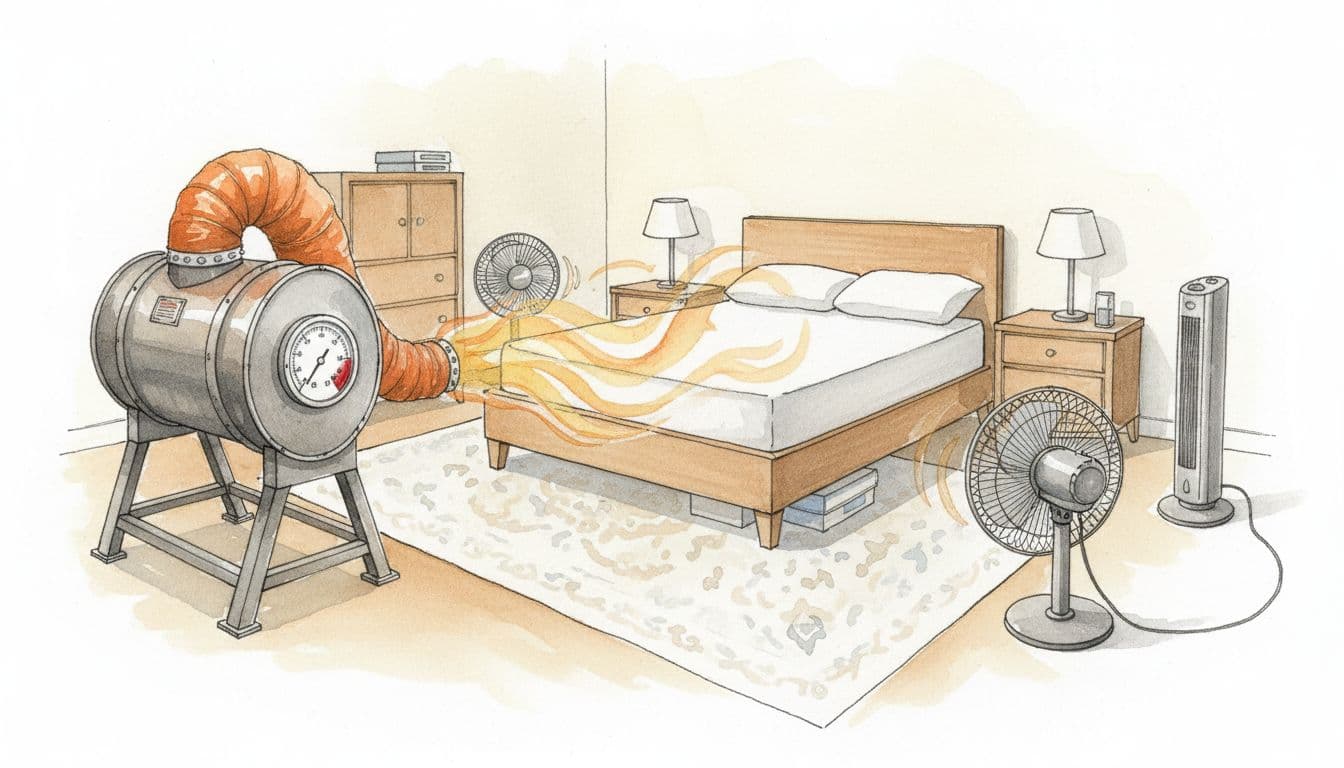
Homeowners often like heat because it uses fewer chemicals and works quickly. Still, heat has limits. It kills what's present during treatment, but it doesn't leave behind a residue to keep working later. Because of that, some companies pair heat with follow-up work in cracks, wall voids, or other hard-to-reach spots. Local service pages, such as this Quincy heat treatment example, show how common that method has become in the area.
Chemical treatment works best as part of a full plan
Chemical treatment still plays a big role, especially when paired with inspection and follow-up. A licensed technician places products where bed bugs hide, not all over the room. That usually means bed frames, mattress seams, box spring edges, baseboards, furniture joints, and small crevices near sleeping areas.
One visit may not finish the job. Eggs can hatch after the first round, so follow-up visits every couple of weeks are common until activity stops. Current professional practice in Quincy also favors newer product choices because some bed bugs resist older formulas.
Illinois health guidance warns against trying to solve the problem with foggers or large amounts of flammable liquids. The state's If You Get Bed Bugs guide explains why those shortcuts often fail. In short, the best treatment is usually a plan, not a can.
What to expect when you hire a bed bug exterminator in Quincy
The process usually starts with an inspection. A technician checks beds, upholstered furniture, nearby cracks, and rooms where people nap or sleep. If signs point to bed bugs, they'll explain the treatment method, how much prep is needed, and whether follow-up visits are part of the service.
In Quincy, homeowners often compare national brands such as Orkin and Terminix. They may also see regional or local names including Plunkett's Pest Control, Big River Pest Control, O'Donnell's Termite & Pest Control, Albright Termite & Pest Control, Midwest Bed Bug Services, and Pest Max 360. The point isn't to chase a brand name. It's to confirm the company treats your address, uses a clear plan, and explains the next steps in plain language.
Questions to ask before you book service
Before you book, ask a few direct questions:
- Do you currently serve my Quincy address?
- What treatment method do you recommend for my home, and why?
- How many follow-up visits are included?
- Do you treat eggs and hidden areas, not only live bugs?
- What prep do I need to finish before treatment day?
- Is the plan safe for children and pets when used as directed?
- Do you offer a warranty, guarantee, or re-service period?
A good company should answer those without dancing around the details.
How to prepare your home for treatment
Prep work matters more than many homeowners expect. Poor prep can lower results because it leaves bugs protected in clutter or moves them into untreated spaces.
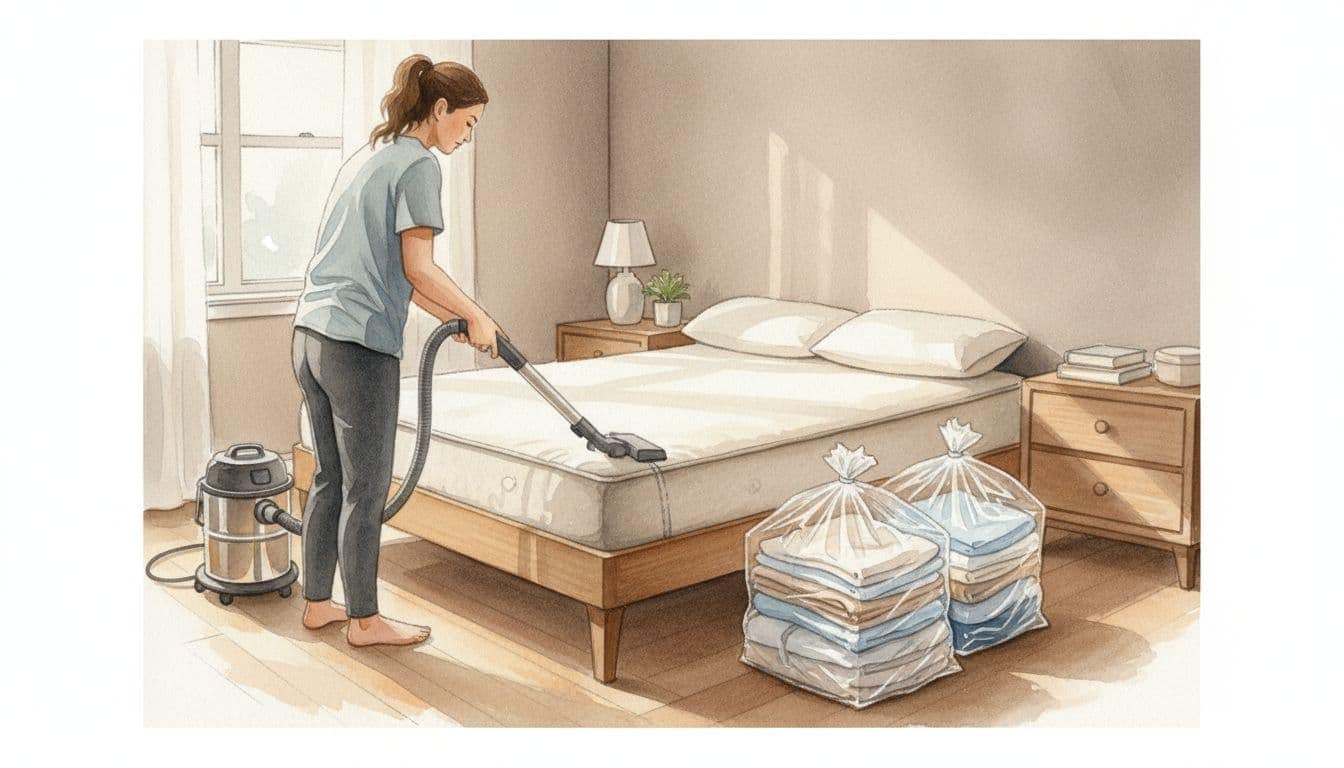
Wash and dry bedding, clothing, and soft items on high heat when the fabric allows. Then seal cleaned items in bags or bins until the treatment is done. Vacuum mattress seams, bed frames, floors, and furniture edges. Reduce clutter, especially near beds and couches, and follow the company's room-by-room instructions closely.
Some companies will tell you not to move furniture or throw things away before they inspect. That advice makes sense because moving infested items through the house can spread the problem.
How to keep bed bugs from coming back after treatment
After treatment, think of your home like a boat after a leak repair. The hole may be fixed, but you still watch the waterline for a while. Bed bugs can return through travel, guests, secondhand items, or missed hiding spots, so monitoring matters.
Many pros recommend checking for signs every week for several weeks. A common benchmark in Illinois guidance and current pest control practice is about two months with no bites, no bugs, and no fresh signs before you call the problem gone. During that time, keep beds slightly pulled from walls if your pest pro suggests it, and use encasements if they recommend them for your setup.
Simple habits that lower your risk at home
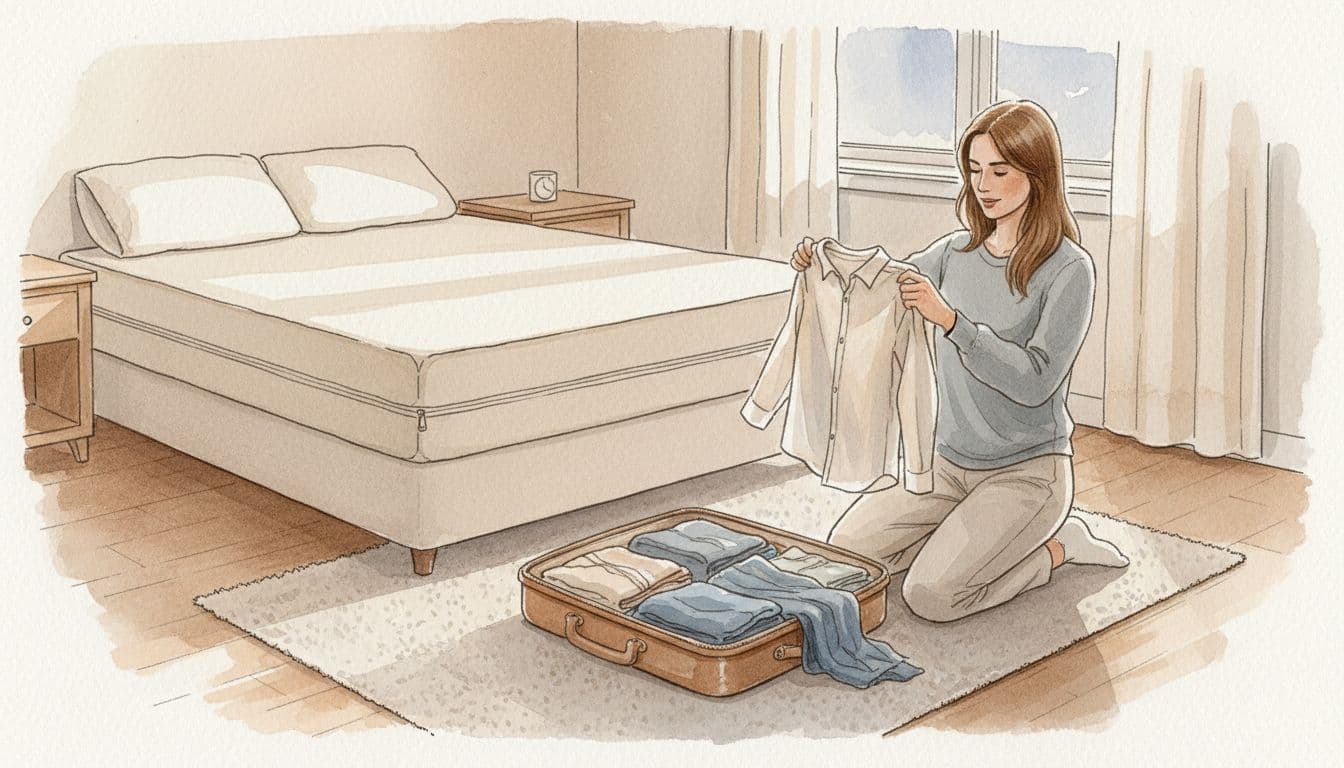
Small habits make a real difference. After travel, inspect luggage before it goes back into bedrooms. Wash and dry travel clothes on high heat when the fabric allows. If you buy used furniture, check seams, screw holes, and underside fabric before bringing it inside.
Clutter control helps too, because fewer hiding spots make inspections easier. In addition, keep an eye on mattress seams and couch cushions after guests stay over or after you bring secondhand items home. For more local prevention ideas, this guide on how to prevent bed bugs in Illinois offers practical habits that fit everyday life.
Bed bugs don't need a dirty home. They only need access, hiding spots, and time.
Bed bugs are easier to stop when you catch them early. For Quincy homeowners, the smartest move is usually a prompt inspection, a clear treatment plan, and steady follow-up, not a shelf full of DIY sprays.
If you've seen bites, stains, shed skins, or bugs after travel, guests, or a used furniture purchase, take the next step now. Schedule an inspection and get a firm answer before a small problem turns into a whole-house one.