
Seeing mud tubes on a basement wall can make your stomach drop. In Quincy, the next shock is often the price of stopping termites before they keep eating.
For 2026, a basic termite treatment in Quincy often falls around $276 to $409, rates that align closely with the national average cost. Still, total termite treatment cost can range from about $85 for a small, simple job to $3,000 or more for full-home systems or harder infestations.
Those numbers are estimates, not flat rates. Your termite treatment cost depends on the termite colony, the house, and how the company plans to treat it, underscoring the risks of a termite infestation for Quincy homeowners in 2026.
Key Takeaways
- Basic termite treatment in Quincy for 2026 typically costs $276 to $409, aligning with national averages, but total costs can range from $85 for spot jobs to $3,000+ for bait systems or severe infestations.
- Preventive work and early treatment cost far less than active infestation control or separate structural repairs, which homeowners insurance rarely covers.
- Quincy homes face risks from subterranean termites due to soil moisture and varied foundations—always demand a detailed inspection covering species, activity, treatment area, warranty, and follow-ups.
- Compare quotes for the same scope of work, prioritizing clarity on methods (like liquid barriers or baits), renewal costs, and re-treatment guarantees over the lowest price.
- Catching termites early prevents bills from snowballing into expensive wood damage repairs.
What termite treatment cost looks like in Quincy
These ranges give a useful starting point for local homeowners.
| Service type | Typical 2026 estimate | When it applies | | | | | | Inspection or annual monitoring | $100 to $300 per year | No active termites, but ongoing checks are needed | | Basic local treatment | $276 to $409 | Smaller, straightforward jobs | | Liquid soil treatment | $4 to $16 per linear foot | Soil treatment around the foundation | | Bait system (e.g., Sentricon) | $1,500 to $3,000 | Long-term control and monitoring | | Whole-home specialty treatment | $1,200 to $3,000 | Severe or hidden infestations, less common locally | | Termite damage repair | Separate quote | Wood repair by a contractor or carpenter |
The big takeaway is simple: preventive work costs less than active termite infestation treatment, and repair costs are usually separate.
That matters in Quincy because homes here vary a lot. Some sit on full basements. Others have crawl spaces, slab additions, old porches, or detached garages with wood close to the soil. Wet springs and humid summer weather in western Illinois can also raise soil moisture levels around foundations, contributing to the presence of subterranean termites, and that makes termite issues harder to ignore. For wider state context, this Illinois pest control cost guide shows how much prices can shift by service type and location.
A low quote may only cover a small spot treatment, not full-structure protection.
Most Quincy termite jobs involve subterranean termites. Because they travel through soil, the treatment plan often focuses on the ground around the home, not just the damaged wood you can see.
What should be included in a termite inspection or quote
A good quote starts with a real termite inspection, not a guess from the driveway. Many pest control companies offer free inspections, but it's smart to ask whether that includes a written report or only a sales visit.
During the termite inspection, the pest control professional should check the outside foundation, basement, crawl space, sill plates, porch posts, garage edges, plumbing entry points, and any spot where wood meets soil. They should also look for active signs, such as mud tubes, fresh swarm wings, soft wood, and moisture issues. While Quincy is primarily a subterranean termites area, the inspection will also check for drywood termites or dampwood termites. Local Quincy service pages, such as this termite treatment overview for Quincy, often mention those same warning signs.
A solid quote should also tell you:
- what termite species or activity they found
- whether the issue looks active or old
- which treatment method they recommend
- how much area they plan to treat
- whether follow-up visits including annual inspections are included
- how long the warranty lasts, and what it excludes
That last point matters. Some warranties cover re-treatment only. Others may include annual renewals at an added cost or a termite bond for long-term protection. Also, termite damage repair is usually not part of the pest control quote.
If the estimate feels vague, keep asking. You should know what you're buying before anyone drills, trenches, or installs bait stations.
Preventative treatment, active infestation work, and repair are different bills
Homeowners often lump everything together, but these are three separate costs.
Preventative treatment is for homes with no live termites found, but enough risk to justify action. That can mean annual inspections, limited monitoring, moisture advice, or a perimeter treatment. These plans are usually the lowest-cost option, especially when a company catches risk factors early.
Active termite infestation treatment is different. If termites are live, or the company finds fresh tubes and recent feeding, the price goes up because the goal shifts from watching to eliminating the termite colony. In Quincy, liquid barrier treatments using termiticide are common for soil treatments, and they are often priced by linear foot. Bait systems cost more up front, but they can make sense where trenching is hard, landscaping is heavy, or long-term monitoring is part of the plan.
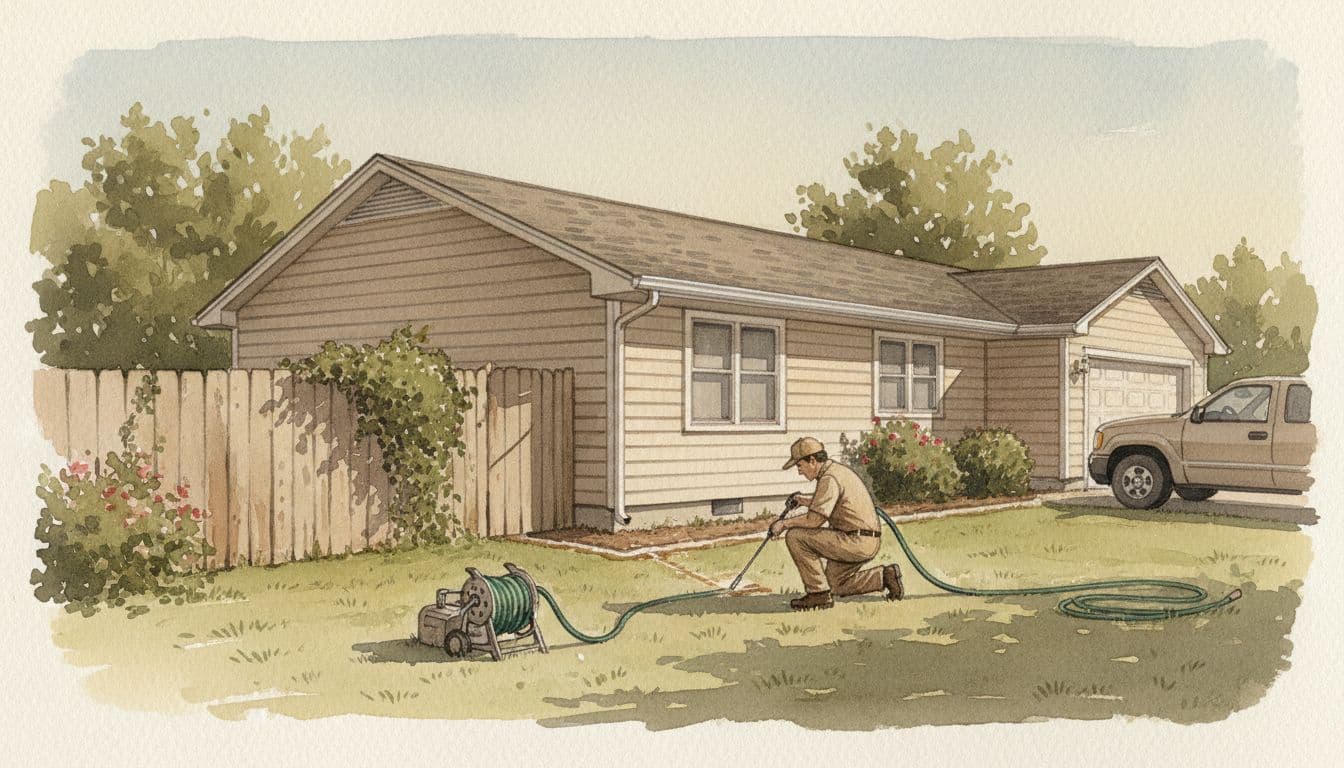
Localized treatment options like whole-home services can cost more, but they are less common for the subterranean termite work most homeowners in this part of Illinois need. Fumigation and tenting serve as more intensive methods for specific species, even if rare in Quincy.
Then there's repair costs for structural damage. Pest control kills or blocks termites. It doesn't rebuild joists, replace trim, or fix a sill plate. Minor cosmetic repair may stay manageable. Structural damage repair costs can climb fast. That's why a cheap treatment quote doesn't always mean a cheap overall fix with low repair costs.
How to compare termite quotes from Quincy pest control companies
Getting three quotes is smart, but only if you're comparing the same scope of work. One company may quote a small spot treatment per linear foot, while another prices full perimeter protection using square foot metrics for larger properties. Those aren't equal plans.
Ask each company the same few questions. Is the problem active? What exact method will they use? How much of the structure will they treat? What does the renewal cost after year one? Who handles wood repair if damage shows up?
Also, compare the follow-up plan. Some bait stations need regular monitoring. Some liquid treatments come with an annual inspection. Others offer a lower first price, then add recurring costs later. A Quincy pest control comparison page can help you identify pest control companies to call, but the written scope matters more than any coupon.
The best quote is usually the clearest one. It explains the problem, the treatment area, the warranty, and the next step if termites return.
Catching termites early is what keeps the bill from snowballing. In Quincy, the biggest jump in cost usually happens when the problem moves from treatment into repair, which homeowners insurance rarely covers.
So if a quote feels rushed or fuzzy, slow it down. A detailed inspection and a clear plan are worth more than the lowest number on the page, helping control your overall termite treatment cost.
Frequently Asked Questions
How much does termite treatment cost in Quincy, IL in 2026?
Basic local treatments run $276 to $409, close to national averages, but expect $4 to $16 per linear foot for liquid soil barriers or $1,500 to $3,000 for bait systems like Sentricon. Costs vary by infestation size, home layout, and treatment method—inspections or monitoring add $100 to $300 yearly. Repair costs for damage are always separate.
What's included in a good termite inspection and quote?
A thorough inspection checks foundations, basements, crawl spaces, mud tubes, swarm signs, and wood-soil contacts for subterranean, drywood, or dampwood termites. The quote should detail the species/activity found, recommended method, treatment area, warranty terms, and any follow-up visits. Free inspections are common, but insist on a written report—not just a sales pitch.
How do preventive treatment and active infestation treatment differ in cost?
Preventive options like annual monitoring or perimeter treatments are the cheapest, ideal for high-risk homes without live termites. Active infestations demand colony elimination via liquid barriers or baits, pushing costs higher—especially for whole-home or hard-to-trench areas. Early action keeps you from paying extra for structural repairs later.
Do termite treatments include damage repairs?
No, pest control quotes cover killing or blocking termites, not fixing wood damage like joists or sills—that requires a separate contractor quote. Minor cosmetic fixes might be affordable, but structural repairs can escalate quickly. Warranties often handle re-treatment only, not rebuilding.
How should I compare termite quotes from Quincy companies?
Get three quotes but ensure they match in scope—what's active, method used, area treated, warranty, and renewal costs. The clearest quote explaining the problem, plan, and follow-ups beats the lowest price, which might skip full protection. Check local resources for reliable firms.