
One German cockroach after spray is annoying. Seeing more a few days later feels like the bugs are winning.
If your roach spray not working experience sounds familiar, the problem usually isn't bad luck. Consumer bug sprays often kill the roaches you spot, but leave the nest, egg cases, and hidden young behind. So the German cockroach infestation shrinks for a moment, then shows up again.
To break that cycle, you have to target where roaches live, breed, and feed.
Key Takeaways
- Store-bought roach sprays often kill visible adults but miss hidden nests, egg cases, and nymphs in cracks, wall voids, and behind appliances, allowing infestations to rebound quickly.
- Sanitation is key: eliminate food crumbs, fix leaks for water sources, and reduce clutter to make your home less appealing to German cockroaches.
- Switch to baits, insect growth regulators, boric acid, glue traps, and sealing gaps instead of more sprays—avoid spraying over baits to ensure roaches feed on them.
- In apartments or older homes, roaches can reinvade from neighboring units or structural gaps, so monitor with traps and consider professional help if activity persists.
Store-Bought Sprays Usually Hit the Wrong Part of the Problem
Most contact sprays, which typically use pyrethroids or synthetic pyrethroids as active ingredients, work on direct application. That means they can kill the roach running across your floor, but they often miss the ones tucked inside cracks, under appliances, behind cabinets, and deep in wall voids. Insecticide resistance in roach populations makes these treatments fail even more often.
That matters because roaches don't spend much time out in the open. They hide close to food, water, and heat. In other words, the one you see is often the scout, not the whole problem.
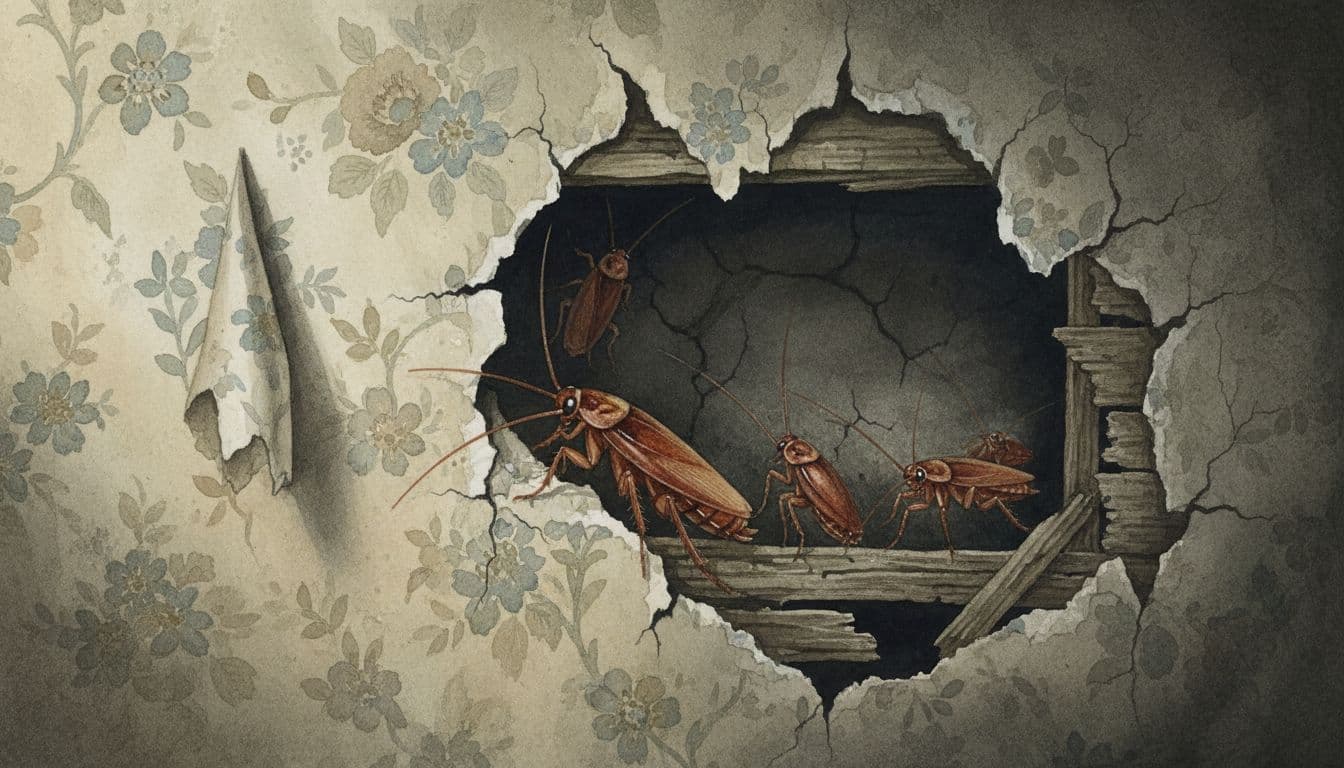
Egg cases, also known as egg capsules, add another layer. Many sprays don't reach them well, especially when they are protected in hidden spots. So even after you kill visible adults, new nymphs can hatch later and restart the mess.
Some sprays also act like a warning signal. Instead of wiping out the colony, they can push roaches deeper into the walls or spread them into new rooms. That scattered pattern is one reason people suddenly start seeing roaches in odd places. A similar pattern is described in this post-treatment roach activity guide.
Killing what you see is not the same as removing what caused it.
This is also why total release foggers and heavy spraying often disappoint. They sound strong, but they rarely place enough product where roaches spend most of their time. If you want a quick read on treatment timing and safety, these common roach control answers are helpful.
The Conditions That Keep Roaches Coming Back
Even a good spray won't win if your home still offers what roaches want. Think of it like mopping up water while the faucet is still on.
Food sources are the first draw. Crumbs under the toaster, grease near the stove, pet food left out overnight, and open pantry items all feed hidden roaches. A few tiny scraps are enough. They don't need a buffet.
Water matters just as much. Leaky pipes, damp cabinet bases, wet sponges, dripping fridge lines, and standing water near sinks give them a steady drink. Roaches can go without food longer than many people think, but moisture keeps them alive and active.
Good sanitation eliminates these food sources and water supplies to make your home less appealing.
Clutter also helps them. Cardboard, paper bags, stacked dishes, overfilled junk drawers, and crowded storage areas create safe harborage. The more tight hiding spots they have, the harder it is to reach them.
For renters, neighboring units can be the missing piece. In apartments and duplexes around Quincy, German cockroaches may travel through shared walls, pipe gaps, utility lines, and hallways. So even if your unit looks cleaner than ever, pressure from next door can keep bringing them back. That repeat pattern is also covered in this explanation of recurring cockroach activity.
Older homes can have the same issue on a smaller scale. Baseboard gaps, wall voids, loose outlet covers, and spaces around plumbing act like highways. When those routes stay open, roaches keep moving, hiding, and breeding out of sight. Integrated pest management offers a strategy for long-term control by sealing these pathways.
What Works Better Than More Spray
When store products stop helping, the answer usually isn't more spray. It's a better plan.
Start with cleanup and exclusion. Wipe counters at night, vacuum crumbs, seal dry food, take out trash often, and fix leaks. Then reduce hiding spots by clearing clutter under sinks, around stoves, and behind stored boxes.
Next, use control methods that work with roach behavior instead of against it:
- Place roach bait such as gel baits or non-repellent baits in cracks, under sinks, behind appliances, and along cabinet hinges where roaches travel.
- Don't use residual sprays over roach bait placements, because their residual effects can keep roaches from feeding on the bait.
- Add an insect growth regulator like Gentrol Point Source, if the product is labeled for roaches, to help stop immature roaches from reaching breeding age.
- Apply boric acid for crack and crevice treatments in those same high-traffic areas.
- Set glue traps along baseboards, behind the fridge, and under sinks to see where activity is strongest.
- Seal gaps around pipes, baseboards, and wall openings after active areas are identified (exclusion helps prevent re-entry).
- Improve moisture control by fixing drips, drying sinks overnight, and limiting standing water.
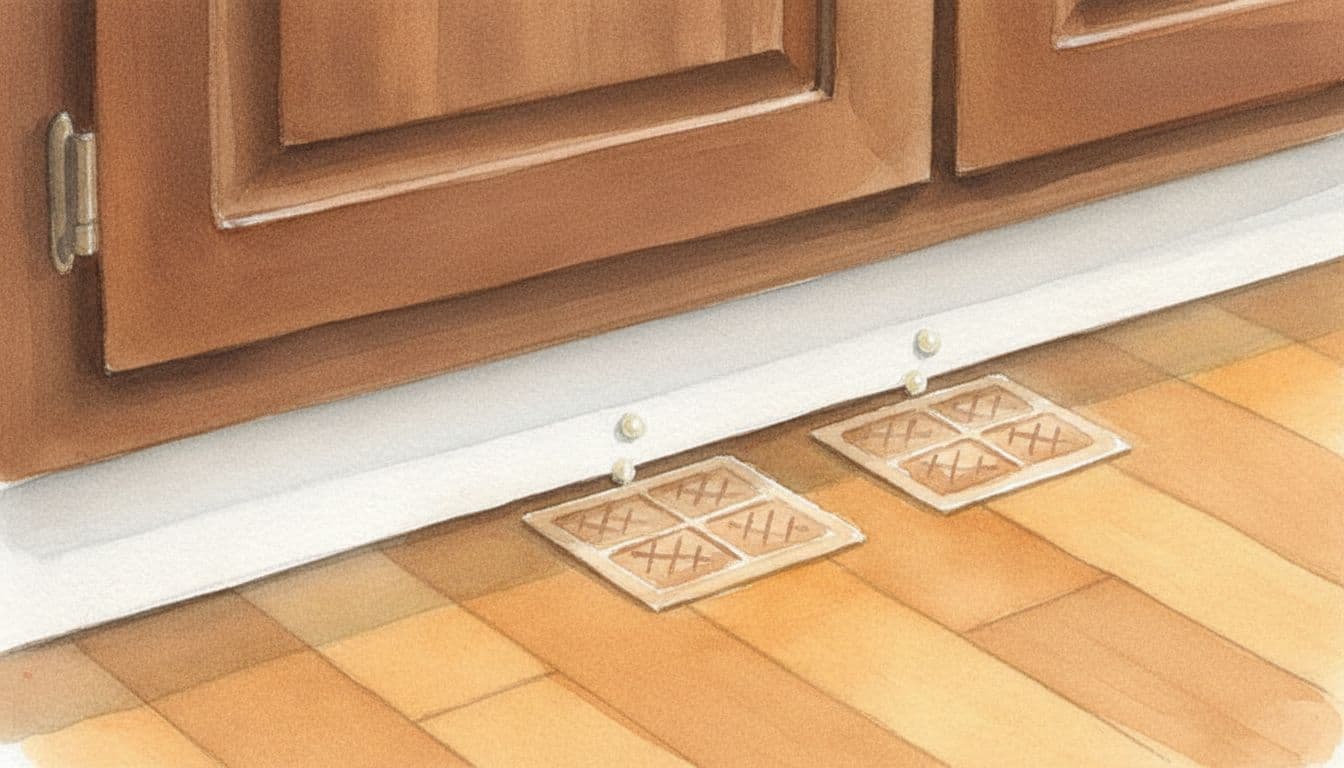
Glue traps are especially useful because they give you proof. If traps stay active after a week or two, or if you keep seeing daytime roaches, the infestation is probably larger than it looks.
Keep safety simple and strict. Follow every product label, and keep insecticides away from children, pets, and food-prep areas. Never mix products or apply more than the label allows.
At a certain point, a professional pest control inspection is the fastest path. That's often true when roaches are in multiple rooms, showing up in daylight, returning after repeated sprays, or coming from shared walls in an apartment building. In those cases, local professional pest control services or a pest control service can find hidden harborages and treat the source, not only the symptom.
Frequently Asked Questions
Why do roaches keep coming back after I spray?
Most sprays only kill roaches you see out in the open, but German cockroaches hide in cracks, wall voids, and behind appliances most of the time. Egg cases and young nymphs often survive, hatching later to restart the infestation. Resistance to common ingredients like pyrethroids makes it worse, and sprays can even repel roaches deeper into hiding or other rooms.
What works better than store-bought roach spray?
Focus on baits like gel or non-repellent types placed in cracks and high-traffic areas where roaches travel and feed. Combine with glue traps for monitoring, boric acid in crevices, and insect growth regulators to stop breeding. Never spray over baits, as it can deter roaches from eating the poison.
How can I prevent roaches from returning?
Practice strict sanitation by wiping counters nightly, storing food in sealed containers, fixing leaks, and drying sinks. Reduce clutter under sinks and appliances, and seal gaps around pipes, baseboards, and walls to block entry. In multi-unit buildings, monitor neighbors' activity and use traps to catch early signs.
When should I call a professional for roach control?
If roaches appear in multiple rooms, during daylight, or keep returning after baits and sanitation, the infestation likely involves hidden harborages or neighboring units. Pros can inspect wall voids, treat sources directly, and handle resistance issues. It's the fastest fix for stubborn German cockroach problems.
Stop Chasing the Ones You See
Roach spray not working? If roaches, especially German cockroaches, keep coming back, the spray probably isn't reaching the colony. The real problem is usually hidden in cracks, wall voids, moisture spots, clutter, or a nearby unit.
The best fix is a mix of sanitation, sealing, baiting, monitoring, and moisture control. When that still doesn't stop the activity, professional pest control is usually the most efficient next move.