

A stuck window in spring can feel like old-house charm, but sometimes it's a warning. Termites stay hidden, so the first clues are often small.
For Quincy homeowners, early detection matters more than panic. If you're searching for termite signs Quincy IL homes show first, pay close attention to the foundation, basement, trim, and any wood near moisture.
Start outside, because the clearest signs often begin there.
Why Quincy homes can attract termites before you notice damage
Illinois homes face moderate to heavy termite pressure, and Quincy has conditions termites like. Warm, humid summers, damp soil, mulch against the house, and older wood framing can all raise the odds of trouble. In this area, the main concern is usually subterranean termites.
These termites live in the soil and travel into homes through hidden paths. Because they need moisture, they often show up first near leaky spigots, clogged gutters, porch posts, basement walls, and places where wood touches the ground.
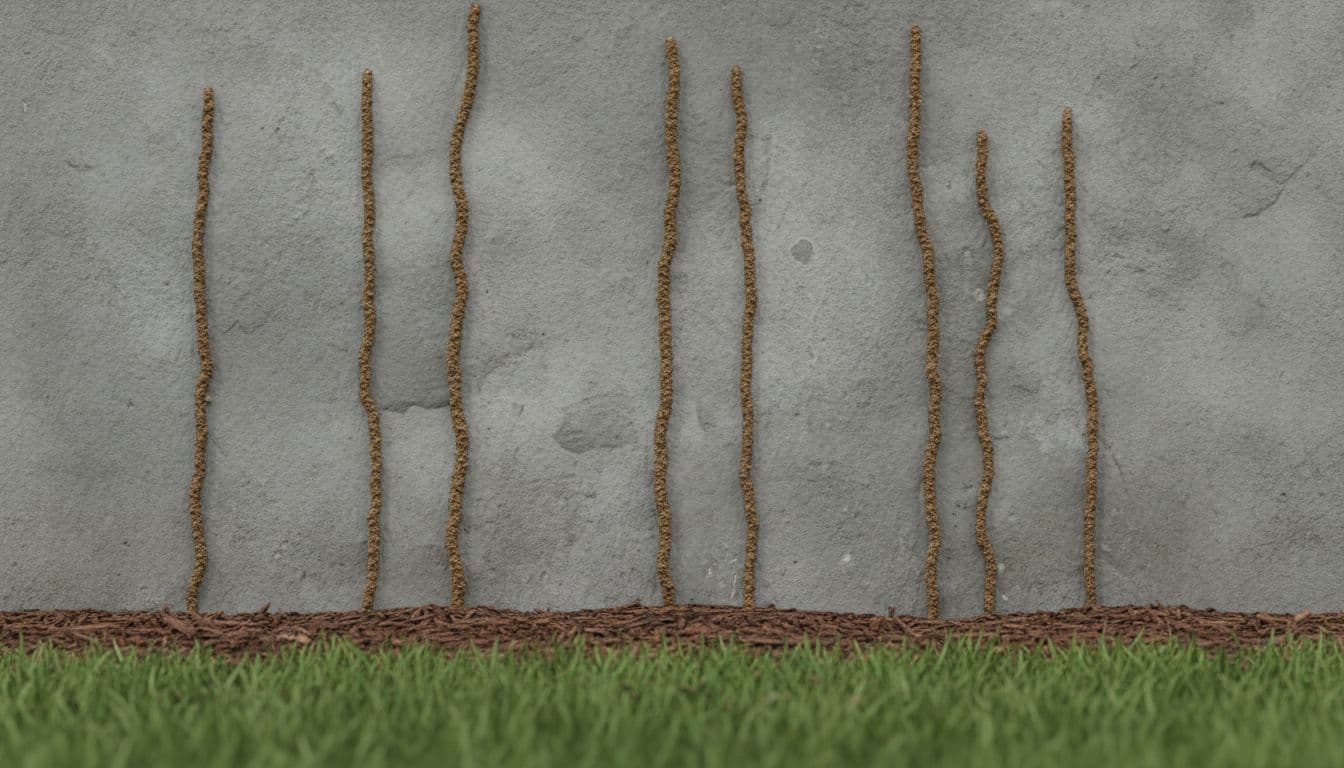
The most classic exterior clue is a mud tube. These pencil-thin tunnels look like dried dirt lines on concrete, brick, block, or wood. Termites build them to stay moist while moving between the colony and your home. Check the foundation line, crawl-space vents, garage edges, and where utility lines enter the house.
You may also spot winged termites near doors, exterior lights, or window tracks in spring. A brief swarm doesn't always mean a major infestation inside, but it does mean termites are active nearby. If you see a pile of identical, shed wings, don't brush it off.
Take photos, note the exact location, and avoid tearing the area apart. Disturbing a tube or damaged board can hide evidence without fixing the source. For a regional view, these Southwestern Illinois termite patterns line up with what many Quincy-area homes face.
Indoor termite clues you shouldn't ignore
Inside the home, termite damage often acts like a bad magic trick. The surface can look fine while the inside has been hollowed out.
Tap exposed wood in the basement, garage, or around window trim. If it sounds papery or hollow, that's worth a closer look. You might also notice visible wood damage, such as thin grooves, blistered surfaces, or wood that breaks apart easily when pressed.
Paint can also mislead you. Bubbling paint or swollen trim sometimes points to simple moisture, but it can also hide termite tunneling below the surface. The same goes for baseboards that suddenly look warped. When doors or windows become tight-fitting for no clear reason, damaged frames or hidden moisture may be part of the story.
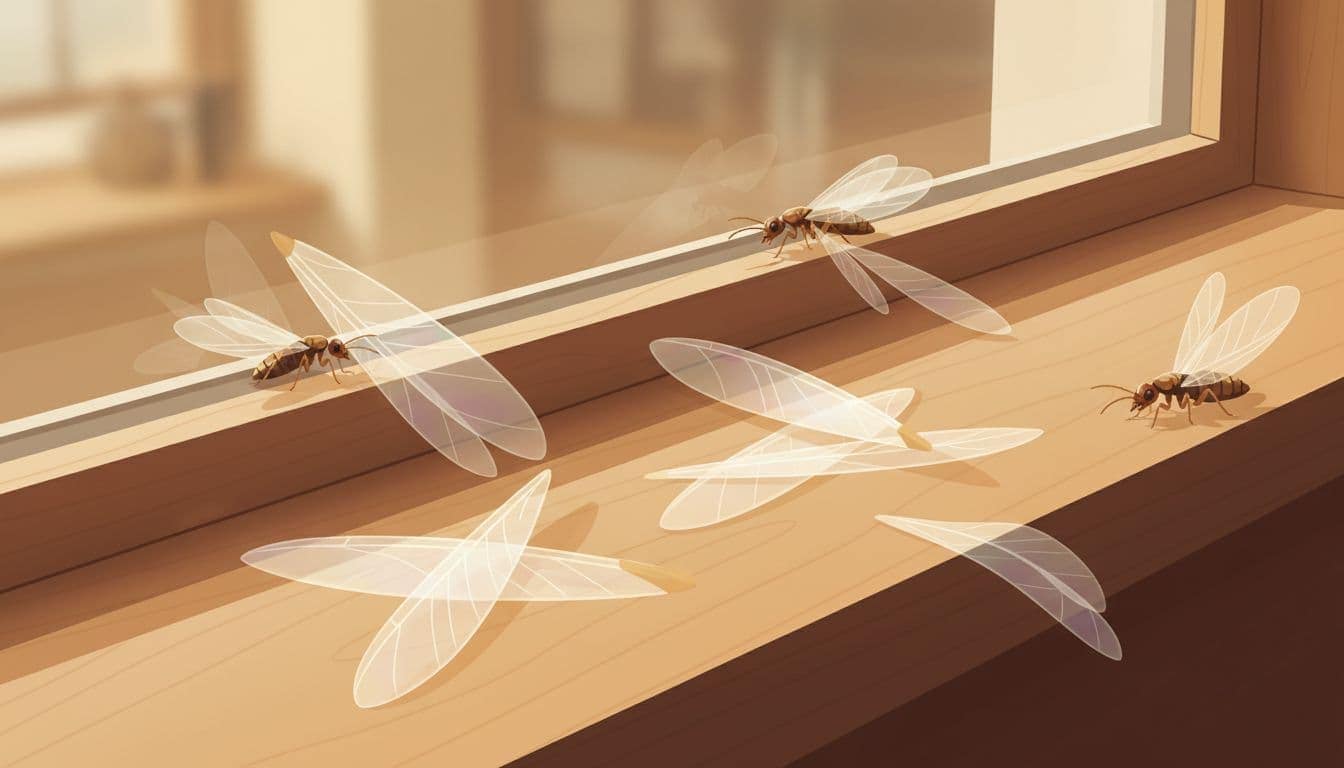
Another early clue is a pile of discarded wings on a sill, near a patio door, or by basement windows. Termite swarmers shed their wings after they land. Because the wings are light and clear, homeowners often mistake them for bits of plastic or lint.
What about frass? In Quincy, it matters less than mud tubes because subterranean termites are more common than drywood termites. Still, if you see pepper-like or pellet-like droppings, have them checked. Coarse sawdust usually points elsewhere, often carpenter ants, but either way, damaged wood deserves a professional look.
Many of these subtle clues match other early warning signs of termites. The key is not to paint over them, patch them, and move on.
Termites, carpenter ants, or moisture damage?
Not every wood problem is termites. That's why a calm comparison helps.
A quick way to separate the signs
| Problem | What you may see | Common clue |
|---|---|---|
| Termites | Mud tubes, shed wings, hollow wood | Hidden feeding inside wood |
| Carpenter ants | Large ants, sawdust-like frass, rustling in walls | They excavate wood, not eat it |
| Moisture damage | Soft, dark, swollen wood, peeling paint | No mud tubes or insect wings |
Carpenter ants and termites can look similar during swarming season, but the details differ. Termites have straight antennae, a thick waist, and two pairs of equal-length wings. Carpenter ants have elbowed antennae, a narrow waist, and front wings that are longer than the back wings. A good termites vs. carpenter ants guide can help if you're comparing what you found on a sill or near a light.
Moisture damage can also mimic termite trouble. Wet wood may swell, stain, and peel. Still, moisture alone won't create mud tubes or piles of matching wings. In other words, termites often ride in with moisture, but moisture is not proof by itself.
Call a licensed termite professional if you find mud tubes, hollow-sounding wood, repeated wing piles, or trim that keeps swelling without a plumbing issue. Don't rely on store-bought spray as a substitute for an inspection. Local pros can tell the difference between old damage and active feeding, check hidden entry points, and spot risks around the foundation before repairs get expensive. That's especially important because termite damage is often not covered by standard homeowners insurance.
Small clues beat big repairs. In Quincy homes, termites usually show up through moisture-linked, hidden activity long before the damage looks dramatic.
If something feels off, trust that instinct and get it checked. The best time to act is when the signs are still early.