

A termite problem rarely starts with a dramatic collapse or a cloud of bugs. More often, it begins with a few quiet clues, especially in April, when spring swarms are common in Quincy during warm, humid weather.
That's why early attention matters. Termites often stay hidden behind walls, under floors, and along foundation lines, so the smallest changes can mean more than they seem. If you're watching for termite signs Quincy IL homeowners often miss, a careful look now can save major repair costs later.

[AMAZON LINK HOLDER]
[AMAZON LINK HOLDER]
The first termite warning signs you may notice inside your home
Indoor termite clues often look harmless at first. A sticky window, a paint bubble, or a soft baseboard can seem like age or humidity. Still, when several small signs show up together, it's smart to pay attention.
Discarded wings, bubbling paint, and wood that sounds hollow
In Illinois, spring swarms often leave behind one clear clue, small piles of wings near windows, doors, and light sources. After swarmers land, they shed their wings, so you may find them on a sill, floor, or basement ledge. If you want a broader homeowner-focused overview, this guide to early termite activity explains why these small leftovers matter.
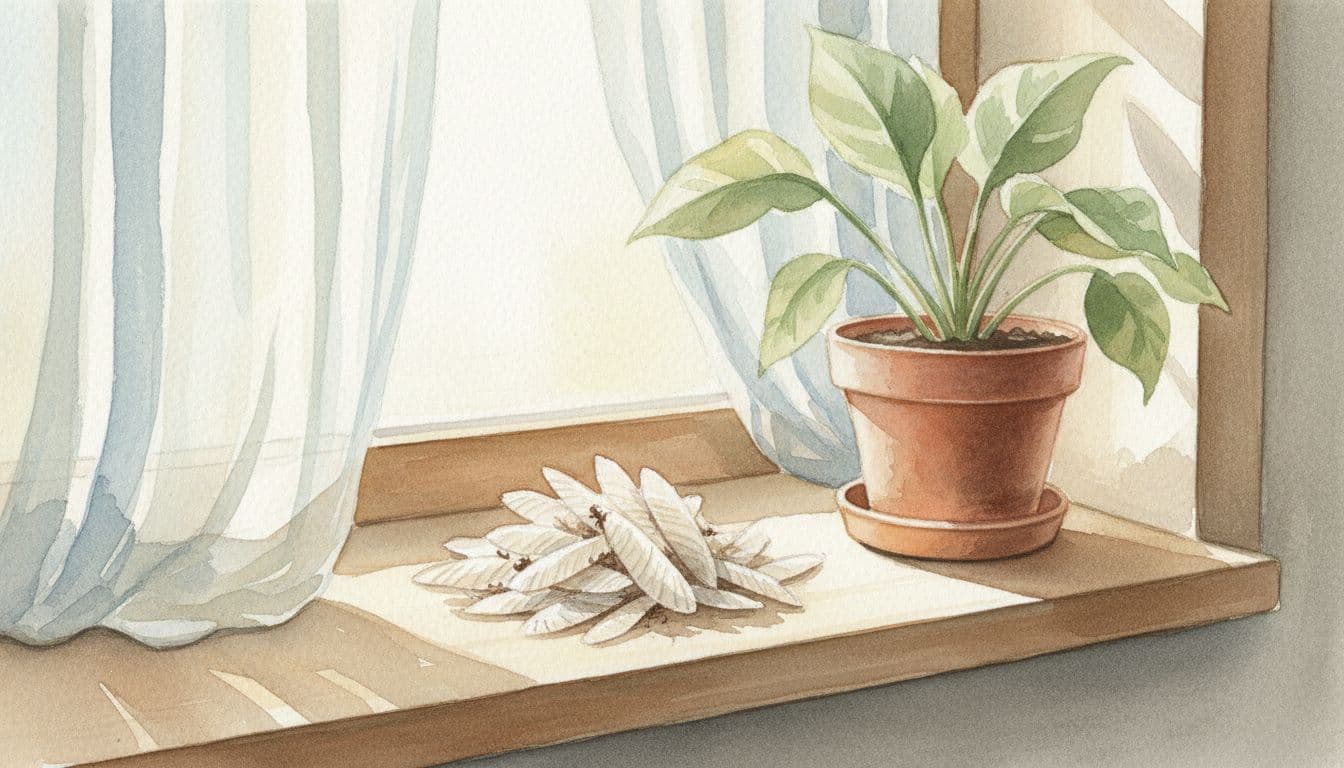
Paint can also tell a story. Bubbling, blistering, or warped paint may look like a moisture issue, and sometimes it is. Yet termites can create that same look when they tunnel close to the surface.
Then there's the simple tap test. Gently tap exposed wood on trim, door frames, or baseboards. Solid wood sounds firm. Damaged wood may sound thin or hollow, almost like tapping on a cardboard box.
Tight doors or windows and other subtle changes that feel off
Wood damaged by termites can hold moisture and shift shape. As a result, doors and windows may start sticking for no clear reason. In an older Quincy home, that can be easy to dismiss as seasonal swelling. However, if the problem appears suddenly, it deserves a closer look.
You might also notice soft spots in trim, faint cracks along painted wood, or sections that seem to sag a little. Some homes show tiny holes in wood surfaces. In drywood termite regions, those holes may come with pellet-like frass. Around Quincy, mud tubes are usually a more common clue than frass, because subterranean termites are the usual concern.
One sign alone doesn't prove termites, but a pattern of small changes should never be ignored.
Not every home will show every warning sign. Hidden activity often stays out of sight until damage spreads farther than most owners expect.
What to look for outside, and where termites often start in Midwestern homes
Outdoor clues matter because subterranean termites usually begin in the soil and move upward into wood. That path often leaves traces around the structure first, especially near damp areas.
Mud tubes on foundations, crawl spaces, basement walls, and piers
The classic termite clue outside is a mud tube. These look like thin dirt tunnels, often about the width of a pencil. Termites build them to stay moist and protected while traveling from soil to wood. Terminix's mud tube guide shows the basic look, which can help if you're checking your own home.
In Quincy, start with the foundation line. Then look at basement walls, sill plates, crawl spaces, support piers, and spots where utility lines enter. Older homes with basements or crawl spaces can have more places where hidden access starts.
If you break open a tube and it looks empty, don't assume the problem is gone. Termites may have moved, rebuilt nearby, or stayed active deeper in the wall or soil.
Wood piles, tree stumps, porch areas, and other spots that attract activity
Firewood stacked against the house is a common risk point. So are old tree stumps, wood scraps, fence posts, and deck supports. Mulch piled high against siding can hold moisture near the structure, which gives termites better conditions.
Porch steps and older wood features also deserve a close look. Quincy homes often have basement entries, aging trim, and shaded areas that stay damp after rain. Those spots can invite trouble over time.
Even when outdoor wood isn't part of the house itself, it can bring activity close to the structure. Once termites find steady moisture and wood contact, the jump to framing or sill areas becomes easier.
How to tell termite damage from carpenter ants, moisture problems, and normal wear
False alarms happen, and that's understandable. A worn-out window frame or damp trim board can look suspicious. Still, a few differences can help you sort out what you're seeing before you call for help.
The clues that point more toward termites than carpenter ants
Termites eat wood. Carpenter ants do not. Instead, ants tunnel through it to make nesting space. That difference changes what you'll find. Termites often leave hollowed wood, mud tubes, and sometimes discarded wings. Carpenter ants are more likely to leave coarse, sawdust-like debris and visible ants nearby. For a side-by-side breakdown, this carpenter ant vs termite comparison is helpful.
Frass pellets are more tied to drywood termites, which are less common in this part of Illinois. Around Quincy, mud tubes and hidden wood damage are usually stronger clues.
When damage may be water-related instead of pest-related
Water damage often comes with staining, rot, peeling surfaces, or a musty smell. Termites can overlap with those issues, which is why the mix matters. If you see moisture trouble plus wings, mud tubes, hidden galleries, or wood that suddenly sounds hollow, pests move higher on the list.
Moisture problems also make homes more inviting to termites. So even if the main cause turns out to be a leak, it still deserves quick attention.
When Quincy homeowners should schedule a termite inspection, and how to lower the risk
Spring is the busiest time for swarms in Quincy, especially in April. Even so, hidden infestations can be found in any season. Timing matters, but acting on signs matters more.
Best times to call a professional, especially during spring in Illinois
Book an inspection if you find wings, mud tubes, hollow wood, or doors and windows that start sticking without a clear cause. If you manage rentals or older properties, routine checks are also wise during spring turnover.
A professional inspection helps because termite activity often stays hidden behind finished walls or below floor level. DIY products may kill exposed insects, but they rarely solve the source of a subterranean colony. The Spruce's termite warning guide also notes that professional treatment is often the most effective route once termites are suspected.
Simple prevention steps that make Quincy homes less inviting to termites
Small upkeep jobs can lower risk. Fix leaks under sinks, around hose bibs, and near gutters. Keep mulch and firewood away from the foundation. Improve drainage so water doesn't sit near basement walls or crawl-space vents.
It also helps to reduce wood-to-soil contact around siding, steps, and deck posts. Check exterior wood often, especially after wet weather. In crawl spaces, better airflow can help keep moisture down.
You don't need to panic over every crack or paint bubble. You do need to act when signs start adding up.
Spotting termites early is a bit like hearing a quiet drip inside a wall. The sound may seem small, but waiting usually makes the repair bigger.
For Quincy homeowners and property managers, the best move is simple: take early signs seriously, then get a professional inspection before hidden damage spreads. If something in your home feels off this spring, now is the right time to have it checked.