

Termites can hollow out wood long before you spot them. For homeowners and property managers around Quincy, that makes termites one of the most expensive pests to ignore.
A spring swarm, a thin mud tube, or a soft window frame may be the first clue. Catching the problem early matters, because repairs climb fast once feeding spreads into hidden framing.
Termites or carpenter ants? Start with the body shape
In Quincy and nearby parts of Illinois, subterranean termites are usually the main concern. They live in soil, need moisture, and often reach a building through foundation cracks or hidden tubes. Timing changes with soil warmth and rain, and this Central Illinois termite season overview shows why spring checks matter in our part of the state.
That matters because termites rarely announce themselves with obvious damage. They usually work behind drywall, under flooring, or inside sill plates. By the time wood looks rough on the surface, they may have been feeding for months.
Many people confuse termites with carpenter ants. That mix-up matters, because the treatment plan isn't the same. Termites eat cellulose in wood and paper products. Carpenter ants don't eat wood. Instead, they carve it out to build galleries, then leave coarse sawdust-like debris behind.
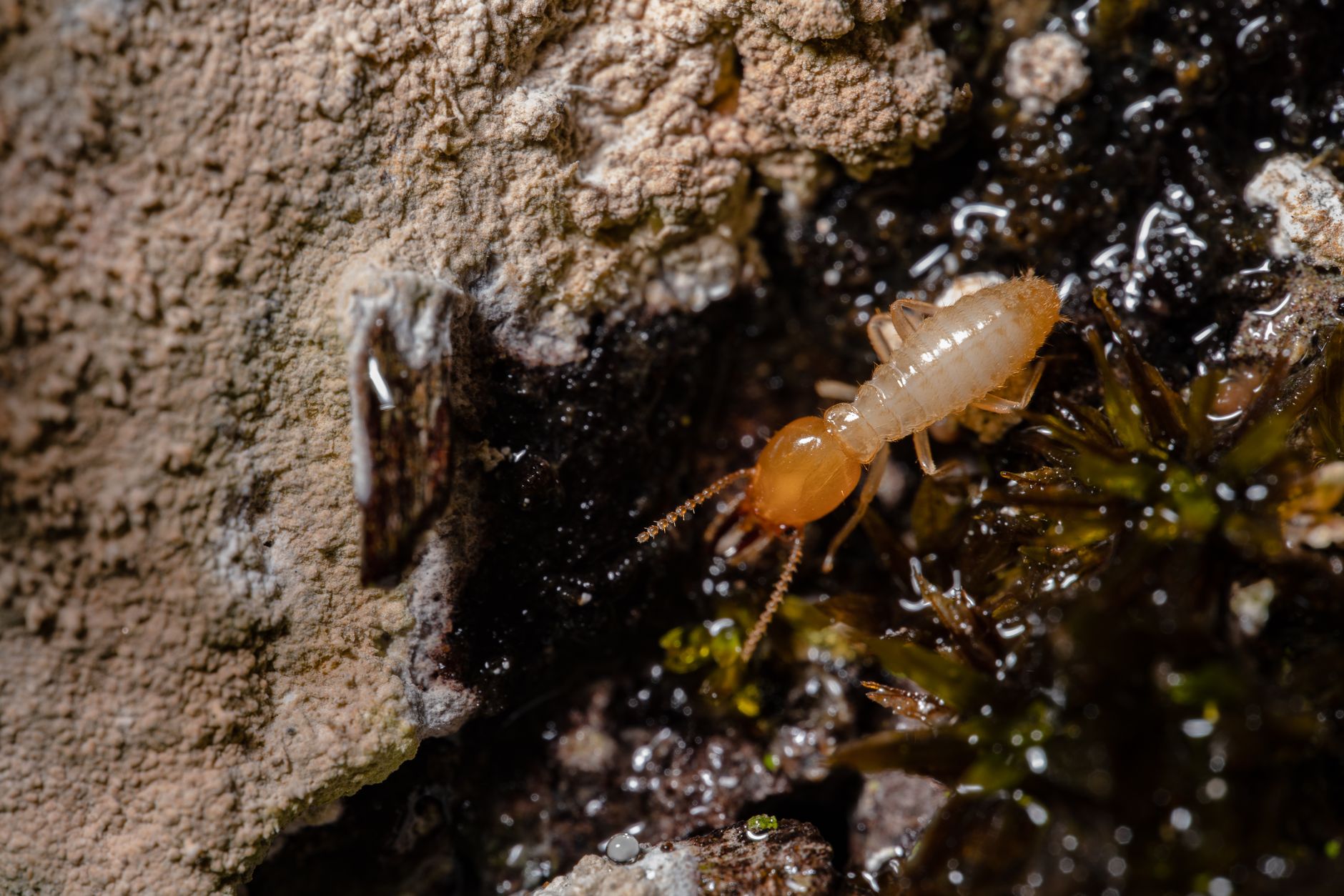
Photo by Jimmy Chan
This quick comparison helps:
| Feature | Termites | Carpenter ants |
|---|---|---|
| Waist | Thick, straight body | Narrow, pinched waist |
| Antennae | Straight or slightly beaded | Bent, elbowed |
| Wings on swarmers | Two pairs, same length | Front wings longer than rear wings |
| Wood evidence | Mud tubes, hollowed wood | Sawdust-like frass, clean galleries |
If you only remember one thing, remember the wings and waist. A thick body with even wings points to termites. A pinched waist with bent antennae points to ants.
Early termite signs that deserve a closer look
The first sign may be a swarm. Winged termites often show up near windows, doors, or light after warm, wet weather. You might only see the shed wings, which can look harmless until you realize they came from a nest trying to expand.
Flying ants often show up at the same time, so look closely. Termite swarmers have straight antennae and even wings. Flying ant swarmers have elbowed antennae and a narrow waist.
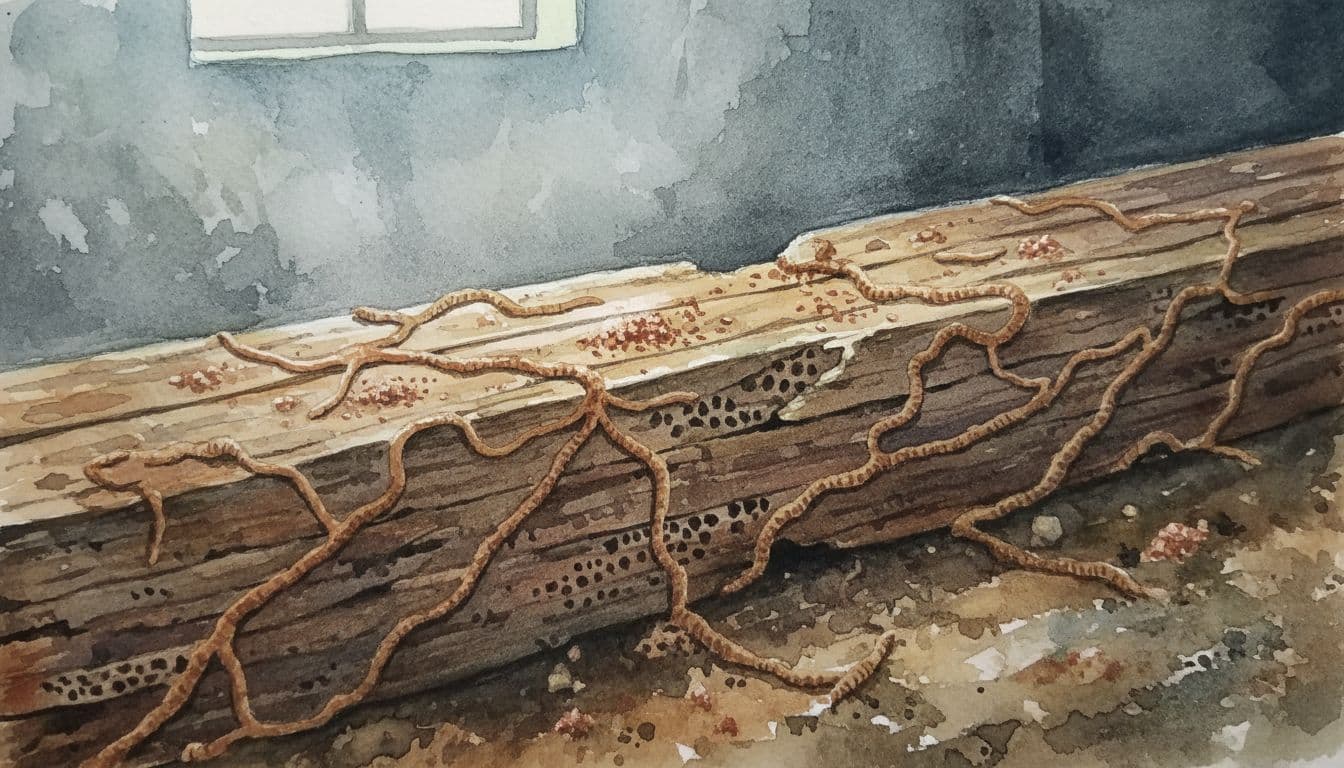
Look next for mud tubes on foundation walls, piers, sill plates, or basement surfaces. Subterranean termites build these pencil-thin tunnels to stay damp while moving between soil and wood. Break one open and it may look empty, so don't assume the risk is gone.
Other clues can be subtle. Floors may feel soft. Paint may bubble or look water-damaged. Doors and windows may suddenly stick because the wood around them has changed shape.
In basements and crawl spaces, inspect sill plates, floor joists, support posts, and places where plumbing or conduit enters. Outside, check porch steps, fence posts, and any wood that touches soil.
If you see shed wings indoors and mud on the foundation, it's time for a termite inspection.
Property managers should also pay attention to repeat moisture issues, because termites follow damp wood. Leaky hose bibs, bad grading, wet crawl spaces, and wood-to-soil contact all raise the odds. Also, don't rely on "sawdust" as a termite sign. Pellet-like droppings are more common with drywood termites, and species vary by region.
Prevention first, then treatment that matches the problem
Prevention starts outside. Keep water moving away from the structure, fix leaks fast, and keep gutters and downspouts working. Mulch, siding, lattice, and deck posts shouldn't trap wet soil against wood.
It also helps to reduce easy access. Store firewood off the ground and away from the building. Leave some foundation visible when possible, so you can spot tubes sooner. In crawl spaces, improve drainage and air flow. For more home-ready steps, see Illinois Extension's termite prevention tips.
DIY work has a place, but it has limits. Owners can monitor for swarms, inspect exposed foundation lines, log moisture problems, and keep landscaping from hiding trouble spots. That's smart maintenance. It isn't the same as termite treatment.
Store-bought surface sprays rarely reach the colony or the full path into the structure. They may kill a few exposed insects and hide activity for a while, which can make later inspection harder.
Licensed pest control is the right move when you find mud tubes, indoor swarmers, damaged wood, or signs in a multi-unit building. A trained inspector can tell whether activity is old or active, find entry points, and match the method to the site. Depending on the species and the structure, treatment might include soil-applied termiticides, in-ground bait systems, foam or void applications, or spot wood treatments.
A good inspection also looks for conditions that support termites, not only the insects themselves. That's why moisture readings, foundation access, and construction details matter during the visit.
No honest plan looks identical on every property. Soil type, foundation design, nearby moisture, and termite species all change the answer. Around Quincy, subterranean termites are often the focus, yet regional conditions still matter from one block to the next.
For higher-risk sites, a yearly inspection can be a practical line item in the maintenance budget. That's often smart after a wet spring, after grading changes, or when a property has a history of leaks or wood rot.
The bottom line on termites
Termites work quietly, but the warning signs are there if you know where to look. The big win is catching them before hidden feeding turns into major repair work.
Know the difference between termites and carpenter ants. Watch the foundation, control moisture, and treat soft wood or spring swarms as a real signal, not a minor annoyance.
When signs move past simple monitoring, licensed pest control is the safest next step. That's especially true for older Quincy homes, rentals, and buildings with basements or crawl spaces.