
We've all had that moment. We're setting out burgers for a backyard BBQ, laying towels by the pool, or easing into a quiet night of stargazing, and we hear that thin mosquito buzz before anyone even sits down.
That's why patio mosquito control has to be practical. Some things help a little, some work fast, and some matter most before guests arrive. The truth is simple, no single trick fixes a bad mosquito problem by itself.
When we want a patio that works for cookouts, tanning, pool parties, and calm summer evenings, the best results come from layering methods the right way.
The patio mosquito plan that works best starts before guests arrive
The best patio mosquito control starts with prevention. If we only focus on sprays, candles, or gadgets, we're treating symptoms, not the cause.
Mosquitoes breed in standing water and rest in cool, damp shade during the day. So before we think about what to use on our patio, we need to make the space less inviting. That means fewer wet spots, less dense cover, and better airflow around where people sit.
Dump standing water first, because breeding spots beat every spray and candle
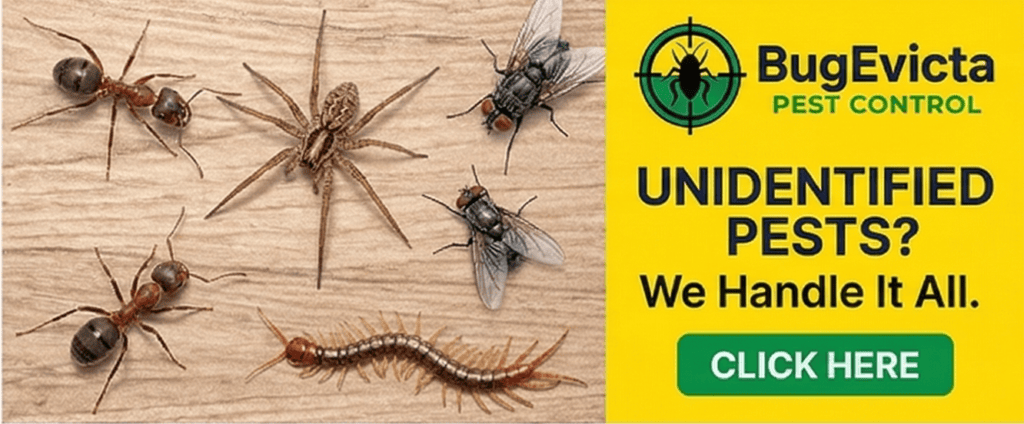
This is the big one. We need to check for standing water at least once a week, especially in warm months.
That includes plant saucers, buckets, clogged gutters, kids' toys, birdbaths, drain spots, puddles on pool covers, and low spots near the patio. A lot of mosquito problems start in places we stop noticing.
It also helps to scrub containers, not only dump them. Eggs can stick to surfaces, so a quick rinse isn't always enough. For yard-level habits that draw mosquitoes in, this guide on patio habits that attract mosquitoes lines up with what we see in real backyards.
Pool parties and cookouts make this easier to miss. A wet toy bin or puddled cover may sit ten feet away while we focus on the grill.
Cut back hiding places around the patio so mosquitoes have fewer cool, damp spots
Mosquitoes don't spend all day flying around looking for us. They often hide first, then come out when the light drops and people gather.
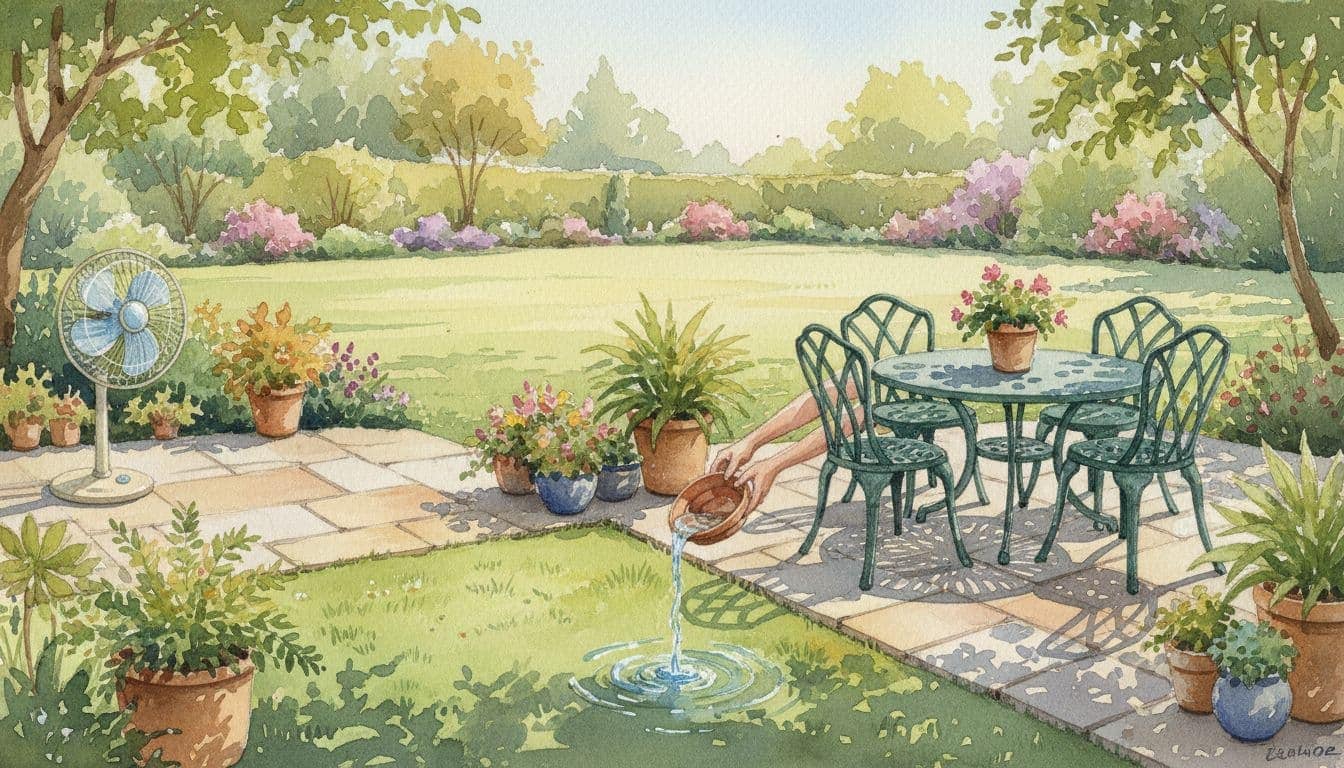
That's why simple patio prep helps. Trim thick plants near seating. Clean under decks, side tables, and benches. If cushions stay damp, dry them out or store them when not in use.
A patio with fewer shady, wet hiding spots gives mosquitoes less cover. It also makes every other method work better.
What to use on your patio when you want fast relief during BBQs and pool parties
Once people are outside, we usually want relief now, not next week. In 2026, the strongest at-home combo is still the same, airflow plus personal repellent, then backup help from candles, screens, or pro treatments when needed.
This quick comparison shows where each option shines:
| Method | How fast it helps | Best use | Main limit |
|---|---|---|---|
| Fans | Right away | Tables, grill zones, loungers | Needs power and placement |
| Skin repellent | Right away | Evening hangs, poolside, stargazing | Must be applied correctly |
| Candles or torches | Mild help | Small seating areas in calm air | Weak in heavy mosquito pressure |
| Screens or netting | Strong barrier | Covered patios, events | Less open feel |
| Pro barrier spray | Fast, longer-lasting | Heavy yard problems | Best handled by pros |
The takeaway is clear. If we want the best fast result, we start with fans and repellent.
Fans are one of the most underrated patio mosquito repellents
Mosquitoes are weak fliers. That makes fans one of the smartest patio tools we can use.
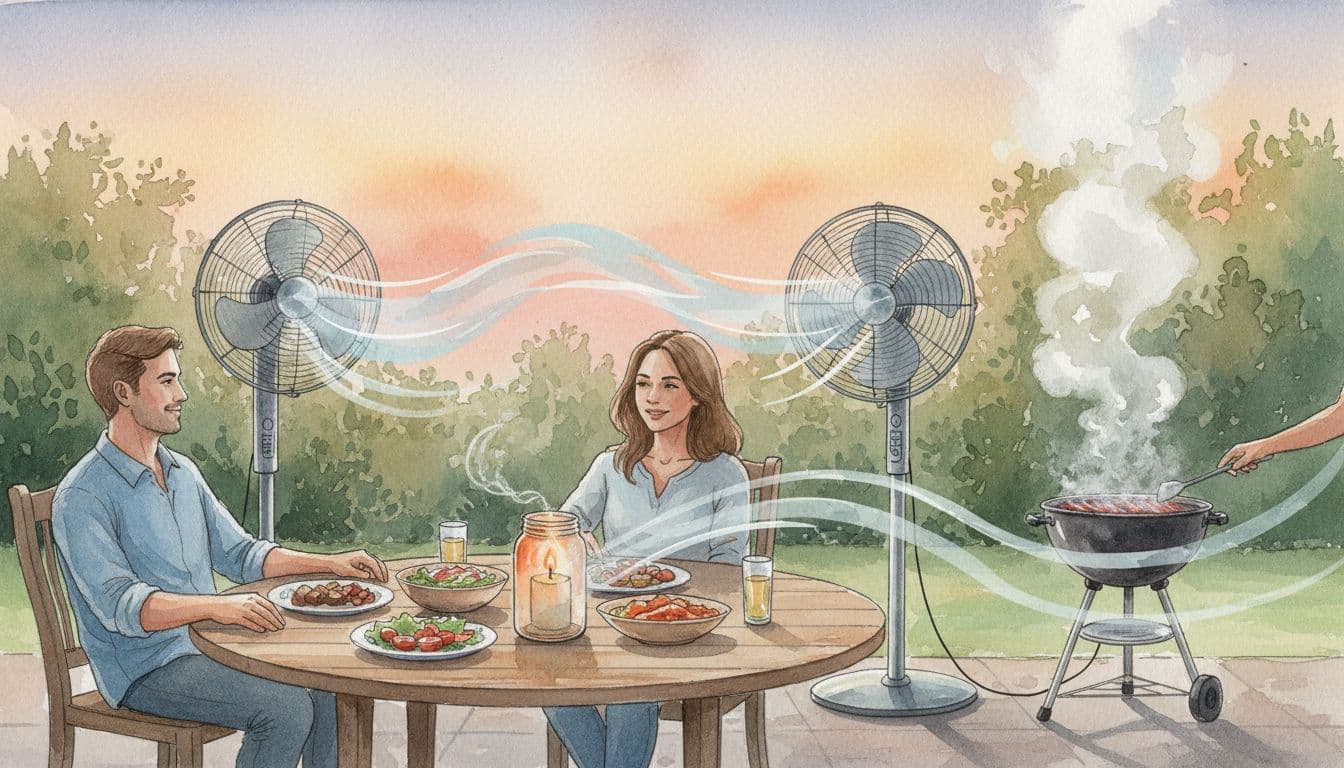
Box fans, pedestal fans, floor fans, and ceiling fans all help. The trick is placement. We want air moving across legs, chairs, and the table edge, not only overhead. Aim one fan across the seating zone and another near the grill or serving area if people gather there.
If we only pick one fast fix for a patio gathering, we pick fans first.
They also make summer evenings feel better, which means guests stay comfortable for more than one reason. For more setup ideas, these patio mosquito control ideas match what works in open and covered spaces.
Skin repellents still matter most when mosquitoes are hungry and people are staying out late
Fans help the space. Repellent helps the person.
For exposed skin during late cookouts, poolside chats, and stargazing, proven ingredients still matter most. DEET works well. Oil of lemon eucalyptus is another well-known option for some users. We don't need a huge collection of products. We need one that we'll actually apply and reapply as directed.
This matters most after sunset, when mosquitoes get more active and people stay outside longer. Wearable patches or bracelets may add a little help for casual use, but we shouldn't count on them as the main defense in a mosquito-heavy yard.
Candles, torches, and diffusers can help, but they work best as backup, not the whole plan
Citronella candles, torches, and scent diffusers can help around a table, especially when the air is calm. Still, they usually don't solve a patio problem by themselves.
Think of them like background support. They may reduce some pressure close to seating, but they won't overcome standing water, thick plants, and still humid air. We've found they work best when paired with fans and repellent, not in place of them.
Even fun table tricks, like lemon halves with cloves, fit the same category. They can add a mild scent barrier, and they look nice at a cookout, but they're a light helper, not a top-tier fix.
If mosquitoes are heavy night after night, that's when a pro barrier spray or misting plan may make sense.
The best setup for cookouts, tanning, and stargazing depends on how you use the space
A patio used for dinner needs a different setup than one used for tanning or late-night lounging. The good news is we don't need a complicated plan. We need the right layers in the right spot.
For BBQs and cookouts, protect the eating zone and the people standing near the grill
Food-centered gatherings usually have two hot spots, the table and the grill. So we want both covered.
Start earlier in the day by clearing water and drying damp areas nearby. Then place fans so one crosses the main seating area and another pushes air near the grill, where the host often stands the longest. If we like candles or citronella, keep them close to seating, not scattered randomly across the yard.
Mesh food domes also help more than people expect. They won't stop bites, but they keep bugs off buns, fruit, and side dishes, which makes the whole patio feel cleaner. For more ideas on keeping mosquitoes off your patio, it helps to think in zones, not single products.
Hosts should also use personal repellent, because they're usually the last ones outside.
For tanning, pool time, and late-night patio hangs, build layers around exposed skin
Pool areas often hide small puddles, splash zones, and damp corners. So even if the water looks clean, the space around it may still support mosquitoes.
During tanning or pool time, more skin is exposed, which makes airflow more important. A nearby fan helps, and repellent matters more if the patio sits near shrubs, fencing, or damp grass.
At night, the balance changes even more. Stargazing and quiet patio hangs often happen during peak mosquito time. That's when candles alone usually disappoint. A better setup is a fan, repellent on exposed skin, and light long sleeves if the air cools off.
That combo feels simple, but it works.
Weird, fun, and lesser-known mosquito tricks that can help, if we stay realistic
Extras can help around the edges. We just don't want to confuse extras with the main plan.
Mosquito-repelling plants work better as patio support than as a force field
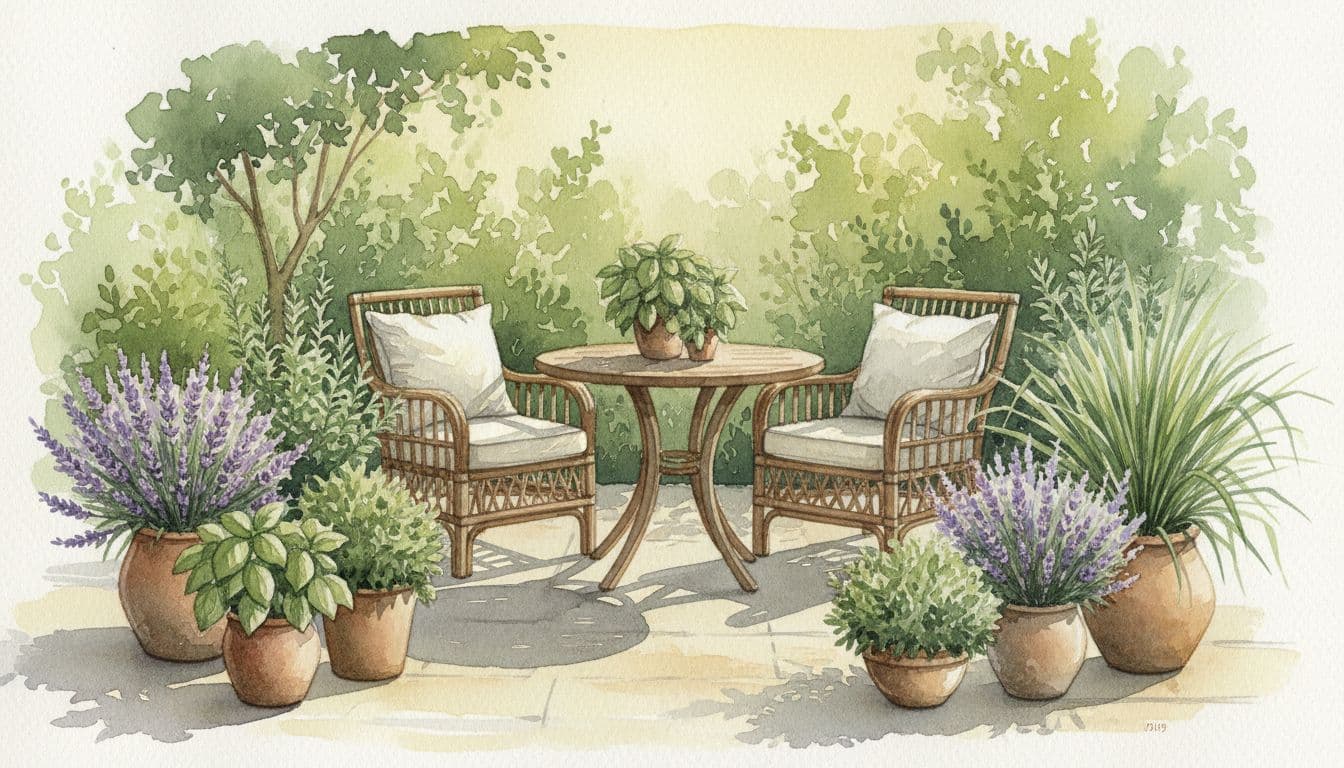
Basil, rosemary, lavender, marigolds, citronella grass, and lemongrass can all earn a spot on a patio. Their scent may help a little, and they make the space look better too.
Still, they won't create a bug-proof bubble around the yard. We like them best in pots near tables, lounge chairs, and entry points to a covered patio. This yard-level mosquito advice gets that balance right, plants can support the setup, but they aren't the setup.
A few odd ideas are worth trying, but only as add-ons
Retractable screens or mosquito-net curtains can work well on covered patios. They're especially useful for parties or homes near woods or water.
UV mosquito traps are another option. Results can be mixed, and placement matters a lot, but some homeowners get decent support from them. Repellent patches can also be handy for kids or short outdoor hangouts.
Those ideas are fine to test. We simply don't want them replacing the basics, source reduction, fans, and proven repellent.
Mosquito control gets easier when we stop chasing magic fixes. The best patio setup is usually a mix of removing standing water, creating strong airflow, using personal repellent, and then adding plants, candles, or screens as support.
That means a better chance of enjoying dinner outside without slapping our ankles, sitting poolside without constant buzzing, or stretching out for stargazing without retreating indoors after ten minutes.
If our patio still feels like mosquito territory after we've layered those steps, it's time to treat the yard more aggressively so the space can feel usable again.