

Termite damage can eat away at a house for months before you notice it, and the repair bill can sting. If you're searching for illinois homeowners insurance termite damage, the short answer is usually no.
Standard homeowners policies in Illinois usually treat termite damage as a maintenance issue, not a sudden accident. Still, policy wording can differ by insurer, form, and endorsement, so your own contract matters most.
Here's how Illinois homeowners insurance often handles termites, where exceptions may show up, and what to do if damage turns up during a claim or inspection.
Key Takeaways
- Standard Illinois homeowners insurance excludes termite damage, treating it as a preventable maintenance issue rather than a sudden accident.
- Coverage may apply if termites contribute to a separate covered peril, like a structural collapse or fire, but not the infestation or wood repair itself.
- Always check your policy's declarations page, exclusions, and endorsements—wording varies by carrier and can change outcomes.
- If termites appear during a claim or inspection, document everything, get a professional inspection, and separate the pest issue from other covered losses.
- Focus on prevention with routine inspections and consider a termite bond for retreatment protection.
What standard Illinois homeowners policies usually exclude
Most homeowners insurance is built for sudden, accidental loss. Think fire, hail, wind, or a burst pipe. Termites are the opposite. They cause slow damage over time as a preventable problem rather than a direct physical loss, and insurers usually place that under exclusions tied to insects, deterioration, neglect, or preventable upkeep. These issues are typically excluded from coverage.
That means the cost to repair chewed framing, subfloors, trim, or support beams is often your responsibility. In many cases, termite treatment, monitoring, and termite prevention are excluded too.
As of April 2026, there doesn't appear to be any broad Illinois rule that makes standard homeowners policies cover termite damage by default. Reviews from Experian's summary of termite damage coverage and InsuredBetter's termite coverage FAQ say the same thing most Illinois homeowners hear from their carriers.
Standard homeowners insurance usually pays for sudden problems, not damage that builds quietly over time.
Still, don't stop at the general rule. Coverage can vary by carrier and policy form. Some companies use broader or narrower exclusion wording. A special endorsement might also change how a related loss is handled, even if it doesn't cover the termites themselves.
When a termite-related loss might still be covered
This is where things get confusing. A policy may deny the termite infestation itself, yet still cover a separate covered peril tied to the same event.
For example, if hidden insect damage contributes to a sudden collapse, some policies may respond under collapse language. If a covered fire happens and termites were part of the story, the fire damage may be handled differently from the pest damage. The key point is simple: insurance may pay for the covered event, but not for the termite infestation or long-term wood loss.
This quick guide shows how that usually works:
| Scenario | Usually covered? | Why |
|---|---|---|
| Termite treatment and repair of eaten wood | No | Usually excluded as insect damage or maintenance |
| Hidden insect damage tied to a structural collapse | Sometimes | Depends on collapse wording and facts |
| Fire damage linked to separate covered fire loss | Sometimes | Fire may be covered, termite damage usually is not |
| Damage you knew about and delayed fixing | No | Ongoing or preventable damage is often excluded |
You can see the same pattern in Insuranceopedia's 2026 review of termite damage coverage.
So, the real question isn't only, "Do I have termites?" It's also, "Was there a separate covered loss, and how does my policy define it?" That distinction can change the outcome.
How to read your Illinois policy without getting lost
Start with the declarations page of your insurance policy. It won't spell out every exclusion, but it tells you the policy form, deductible, dwelling limit, and any endorsements attached to your insurance coverage. Home buyers should pay particular attention to these details during the home purchasing phase.

Next, read the exclusions section. Look for wording about insects, vermin, nesting, wear and tear, repeated seepage, rot, latent defects, neglect, and exclusions related to the foundation of the home. Those sections often explain why termite claims get denied.
Then check the endorsements. These are policy add-ons or changes. They may broaden or limit coverage in certain areas. Most endorsements do not add termite repair coverage, but some can affect related issues, such as collapse wording or water damage handling.
If you want a broader plain-English look at common policy parts, this Illinois homeowners insurance overview is a helpful starting point.
When you call your insurer or agent, keep your questions narrow. Ask whether your policy excludes insect damage, whether any endorsement changes that, and how the carrier handles a related covered loss if termites are discovered during the claim.
Frequently Asked Questions
Does Illinois homeowners insurance cover termite damage?
No, standard policies usually exclude it as insect damage or neglect. Termite treatment, monitoring, and repairs to eaten wood fall under maintenance, which insurers won't pay for. Check your specific policy, as wording differs by carrier.
When might termite-related damage still be covered?
If hidden termite damage leads to a covered event like a sudden collapse, some policies may respond under collapse provisions. A separate peril, such as fire, might be covered even if termites weakened the structure beforehand. The key is distinguishing the infestation from the covered loss.
How do I check if my policy covers termites?
Start with the declarations page for form details and endorsements, then review exclusions for insects, vermin, or deterioration. Ask your insurer or agent about insect damage wording and any related loss handling. Don't rely on general advice—your contract controls.
What should I do if termites are found during a home inspection or claim?
Document the damage with photos and reports, then get a licensed pest inspection to assess activity and spread. Separate termite issues from any other claim, like storm damage, and request the exact policy language for denials. Sellers may need quick fixes to avoid closing delays.
What's a termite bond, and should I get one?
A termite bond is a service contract from a pest company covering retreatment if termites return within the term. It's not insurance but provides protection since homeowners policies exclude this. Many homeowners opt for one after an infestation for peace of mind.
What to do if termite damage shows up during a claim or inspection
If a home inspector, contractor, or adjuster finds signs of termite activity or a termite infestation, slow down and document everything. Take photos, save reports, note where the termite damage appears, and avoid tearing into more wood than needed before you understand the scope.
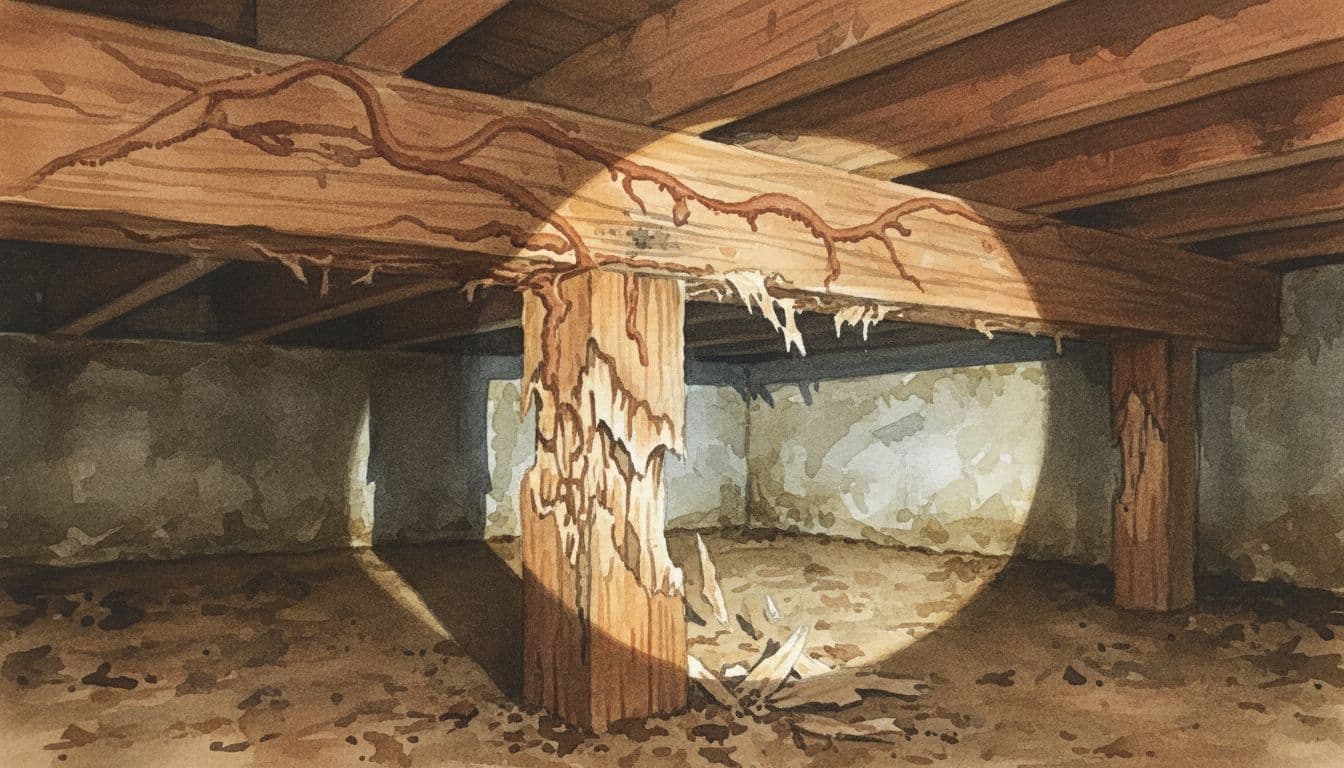
Then separate the termite issue from any other claim. If you filed for storm, fire, or water damage, ask the insurer to review that covered event on its own terms. The presence of termites does not always erase the rest of the claim, though it can complicate it.
A licensed termite inspection from a pest control company can help. A professional pest control expert can tell you whether the infestation is active, how far it has spread, and whether moisture or another condition is making it worse. Because homeowners insurance often will not pay for termite repairs or termite-related costs, many homeowners ask about a termite bond for protection against future damage. These termite bonds also typically cover retreatment if termite activity returns.
If the company denies coverage, ask for the exact policy language behind the decision. That includes the exclusion, any endorsements, and any wording about collapse or resulting loss. Do not guess, and do not rely on a casual phone comment.
Home sellers might need to address termite damage quickly during inspections to avoid added closing costs. Sometimes an inspection uncovers a different pest problem altogether. If you are in the Quincy area and the issue turns out not to be termites, you can also compare bed bug treatment costs in Quincy or, if you rent, review these Quincy apartment bed bug tips.
Termite damage feels like the kind of home loss homeowners insurance should cover, but standard Illinois policies usually treat it as preventable upkeep. To avoid property damage from termites, focus on preventative measures like routine inspections. The detail that matters most is your policy language, especially the declarations page, exclusions, and endorsements.
If termites are found, document the termite damage, ask whether a separate covered peril is involved, and verify the answer with your insurer or agent. A small wording difference can matter, and guessing gets expensive fast.