

If bed bugs are in your home, they won't march out because you want proof. These blood-sucking insects hide in cracks and crevices, stay close to where people rest, and often feed when the room is dark.
That means the goal isn't to force every bug into the open. The smarter move is to expose likely hiding spots, identify bed bugs and confirm activity, and make treatment more effective without spreading them farther. That matters whether you own a home or rent in a shared building.
What draws bed bugs out, and what doesn't
Bed bugs react to people, not magic tricks. Body heat, carbon dioxide, and long periods of stillness are the main things that pull them from hiding to seek a blood meal. That's why many bed bug bites happen late at night, after you've been asleep for a while. For a plain-English look at those triggers, see this practical summary of what attracts bed bugs.
Still, you usually can't flush out all bed bugs on demand. A light bed bug infestation may stay tucked away for days. A larger one may spread into furniture, baseboards, or wall gaps and come out only when the room is quiet. Also, some people show bite marks and others don't, so visible evidence matters more than skin reactions alone.
Best expectation: you are trying to reveal evidence and narrow the hiding zones, not force every bug into the open at once.
Because of that, skip bug bombs, heavy DIY spraying, and unsafe DIY heat treatment. Foggers rarely reach the cracks where bed bugs hiding actually stay; they can push insects deeper into walls or into nearby rooms. Space heaters, hair dryers, and open-flame ideas can damage your home and still miss eggs. Cornell's guide to managing bed bugs explains why a layered plan works better than one dramatic tactic.
Common hiding spots near beds and furniture
Start with the bed because that's their main food zone. Look along the mattress and box spring for piping, tags, seams, and corners. Then check the bed frame, especially screw holes, joints, slats, and the back of the headboard. Bed bugs can flatten like paper, so even a thin crack can hide them.
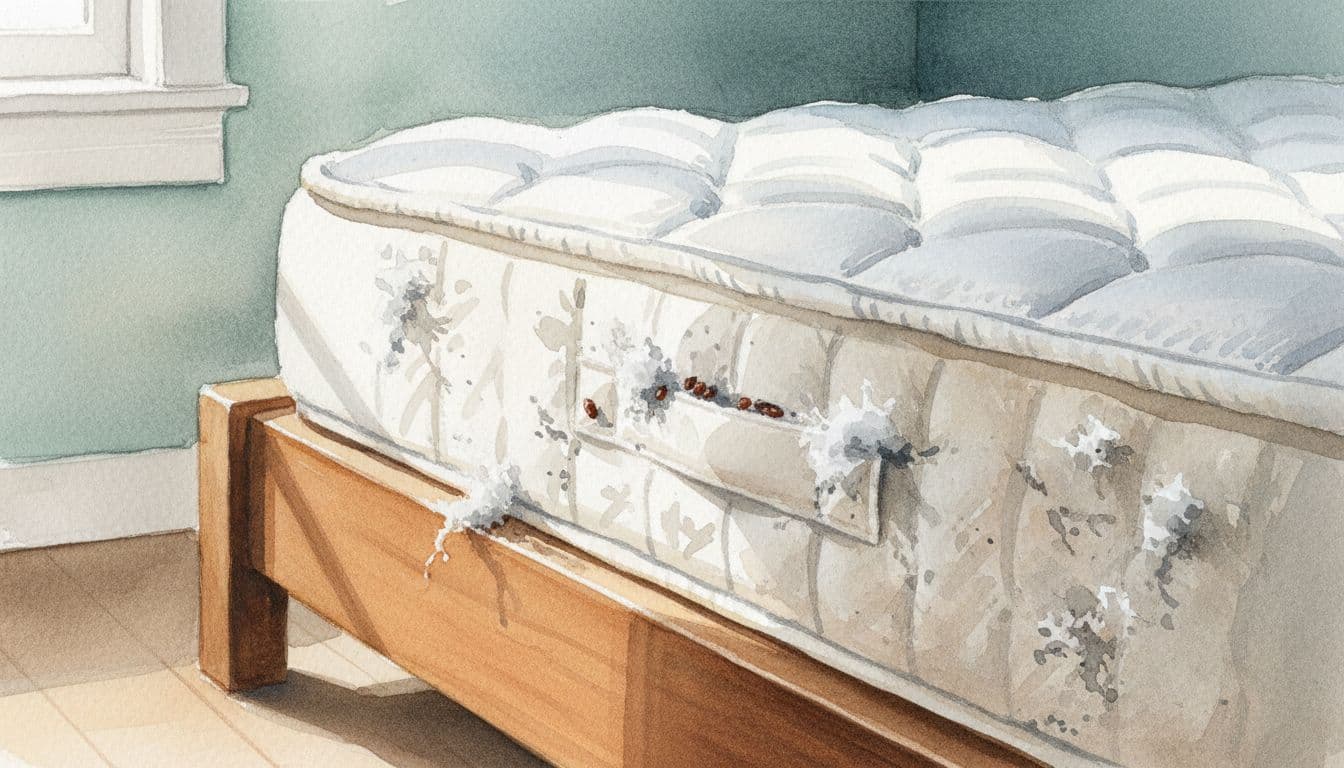
If you nap on upholstered furniture, inspect that next. Check under cushions, inside seams, under dust covers, and where fabric meets wood. Nightstands, drawers, lamp bases, picture frames, and baseboards near the bed also deserve a close look.
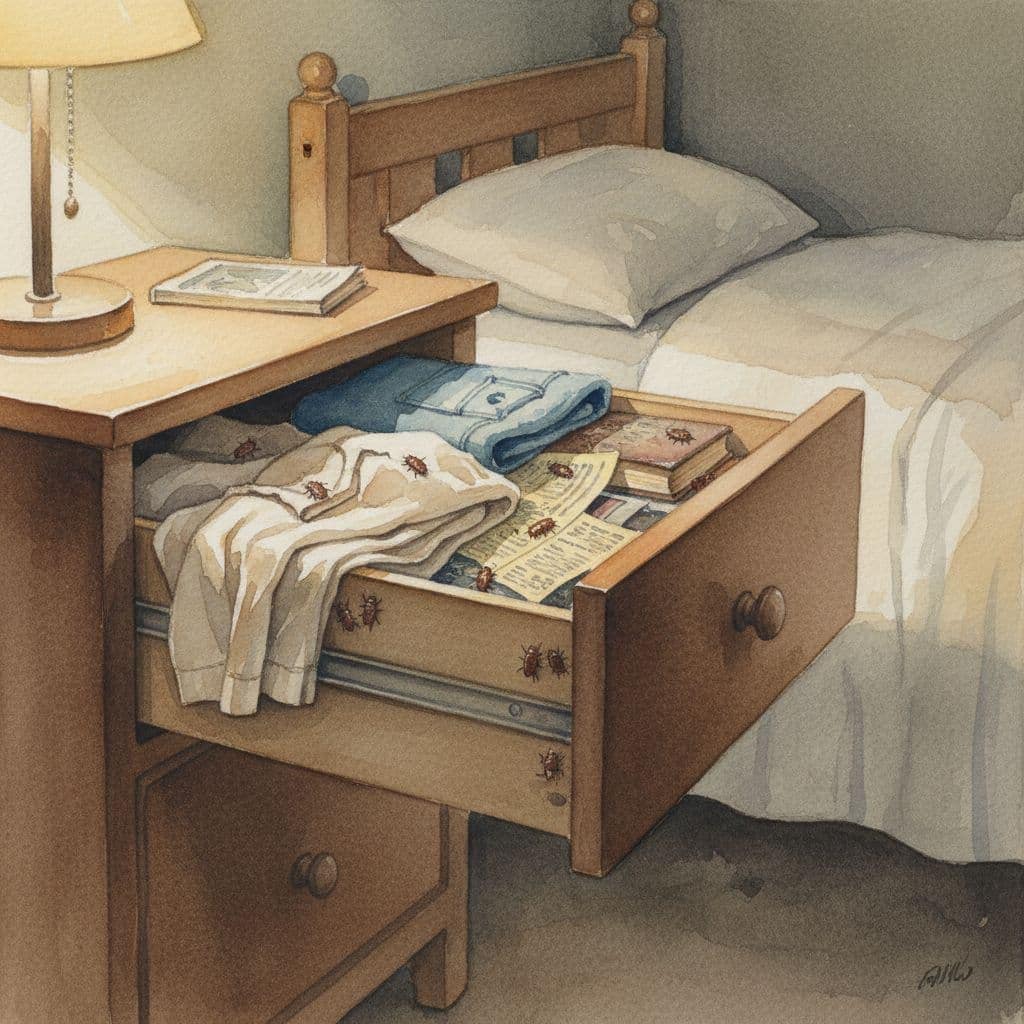
Many people miss the underside of drawers, folded fabric, and clutter beside the bed. Those spots stay dark, still, and close to you. In heavier infestations, bugs may hide behind electrical sockets or loose wallpaper, but don't take the covers off electrical sockets unless a pro tells you to.
For a quick scan, focus on these spots first:
- Seams and corners of the mattress and box spring
- Bed frame joints and headboard cracks
- Upholstered furniture
- Nightstands, drawers, and piles of clothes
- Baseboards, curtains and drapes, window and door frames, carpet edges, and wall gaps near the bed
Renters should think a little wider. Bed bugs can move between units through wall gaps and shared spaces. If that sounds familiar, these tips on bed bugs in Quincy apartments can help you plan your next step.
Your step-by-step inspection checklist
A careful inspection for signs of bed bugs works better than random flipping and spraying. Grab a flashlight, a thin card or old gift card, and a plastic bag or tape if you want to save a sample.
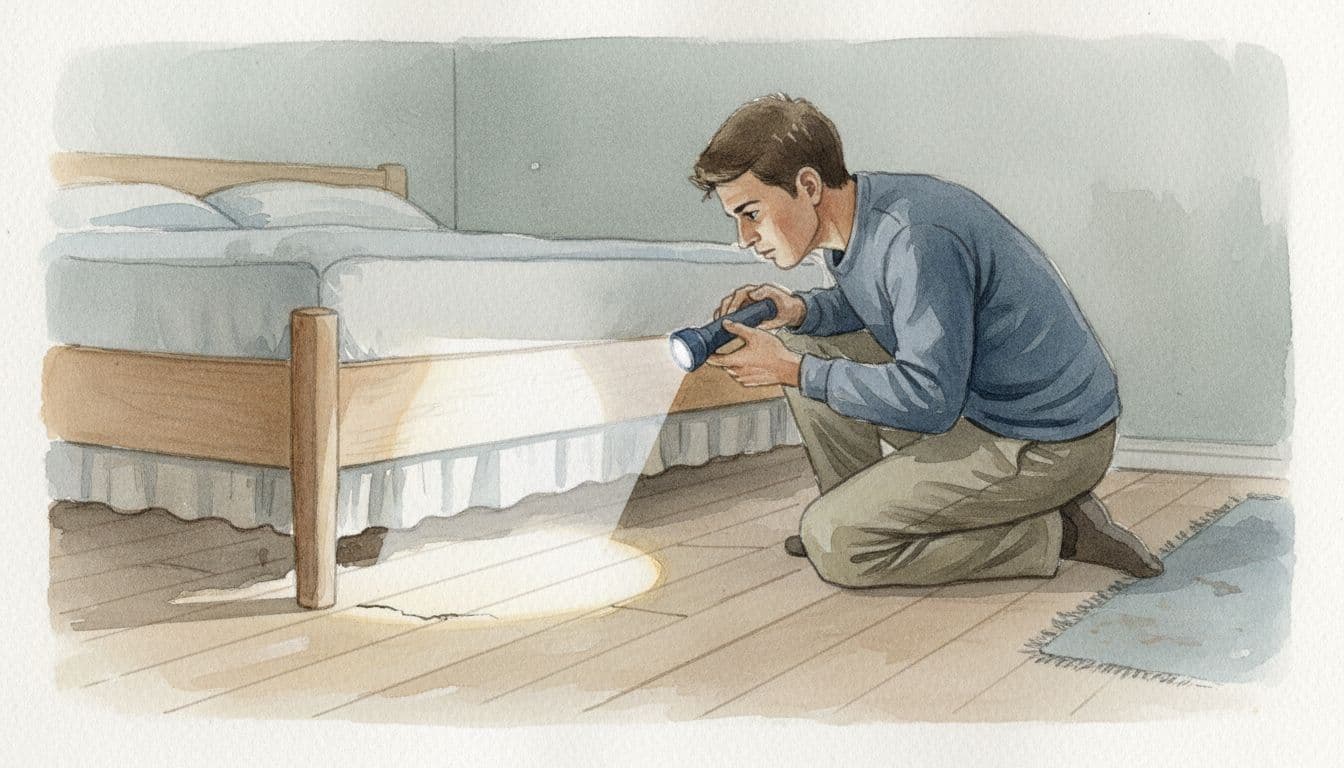
- Strip the bed and bag the linens before moving them through the home. Then wash and dry them on the hottest setting the fabric allows.
- Use the flashlight on mattress seams, tufts, and tags. Run the card gently through seams to expose bugs, shed skins, dark spots, or fecal material.
- Lift the mattress and inspect the box spring underside, frame joints, and headboard back.
- Pull out nearby drawers and check corners, runners, and the underside. Move slowly so you don't scatter bugs.
- Inspect within a few feet of where you sleep or rest. Then expand outward if you find signs.
- Perform vacuuming on visible bugs and debris only after you've finished looking. Empty the canister, or seal the bag, and take it outside right away.
- Add interceptor traps under bed legs if you want to monitor movement over the next several nights.
You're looking for live bugs, pale shed skins, eggs and nymphs, tiny white eggs, dark spots, rusty or reddish stains, and black ink-like spots. These represent various life stages. Bites alone don't confirm bed bugs. On the other hand, physical evidence does.
Also, don't start sleeping on the couch to "draw them out somewhere else." That often spreads the problem to a new piece of furniture. Bed bugs can hitch a ride in luggage and purses.
What helps after inspection, and when to call a pro
Once you've found the likely hiding zones, a few safe steps can help. Cut clutter near the bed. Use a mattress cover and box spring encasements. Keep clean clothes sealed until treatment is done. If you vacuum, go slow with vacuuming, and focus on seams, edges, and cracks.
What won't help? Essential oils alone, bug bombs, random over-the-counter spraying, or trying to cook the room with household heaters. Those moves feel active, but they often waste time and make later treatment harder.
If you find live bugs in more than one room, see them during the day, or keep finding fresh signs after laundering and vacuuming, it's time to call a pest management company for a bed bug infestation. Pros can confirm spread with professional-grade equipment like dry heat treatment, choose the right method, and tell you which prep steps matter. If you need fast action, this emergency bed bug removal service explains what quick professional help looks like. If you're weighing options locally, here's a clear guide to bed bug treatment costs in Quincy.
Bed bugs don't disappear because you found one seam or one nest. They fade out when every hiding place is inspected, treated, and checked again.
The first win is evidence, not a perfect DIY flush-out. Start with a calm inspection, keep your steps safe, and get help early if the signs point to a wider infestation.