

If you want the short answer, bed bug heat treatment cost per room in 2026 often lands around $300 to $500 in the US. One-room jobs commonly fall between $250 and $600, while outlier pricing can range from about $100 to $1,200 when a room is tiny, bundled into a larger job, or unusually large and severe. In Quincy, IL, pricing usually follows Midwest averages, but the final number depends on what the inspection finds.
That per-room number matters because most people want a real budget before they start calling around. Whole-home heat treatment can cost much more, so room-by-room pricing helps you gauge whether the problem still looks contained or if it may already be a larger job.
This guide explains what raises the price, what a quote usually includes, and when heat treatment is worth the money.
[BugEvicta Ad Placeholder: Free quote request block]
Average bed bug heat treatment cost per room in 2026
The simplest way to think about pricing is by room count and square footage. In most US markets, bed bug heat treatment runs about $1 to $3 per square foot, which lines up with current HomeGuide heat treatment cost data and other 2026 pricing sources. That means a small bedroom often costs less than a big master bedroom, basement room, or packed living room.
Here's a quick pricing snapshot:
| Space treated | Typical 2026 heat treatment cost |
|---|---|
| 1 room | $250 to $600 |
| 2 rooms | $400 to $900 |
| 3 rooms | $700 to $1,200 |
| Per square foot | $1 to $3 |
Those ranges are practical, not perfect. Some companies quote by room. Others quote by total square footage. A few price the full job only, especially if bed bugs may have spread beyond the room you noticed first.
For Quincy homeowners and renters, local labor rates are often lower than large coastal cities. That said, older homes, multi-unit buildings, and follow-up needs can still push the bill up. If you want a local benchmark, see this guide to bed bug heat treatment costs in Quincy.
A low starting quote only helps if it covers the full area that actually needs treatment.
Typical price ranges for one room, two rooms, and larger spaces
A single room is usually the lowest entry point. If bed bugs are limited to one bedroom and caught early, heat treatment may stay near the bottom of the range. That's the best-case scenario.
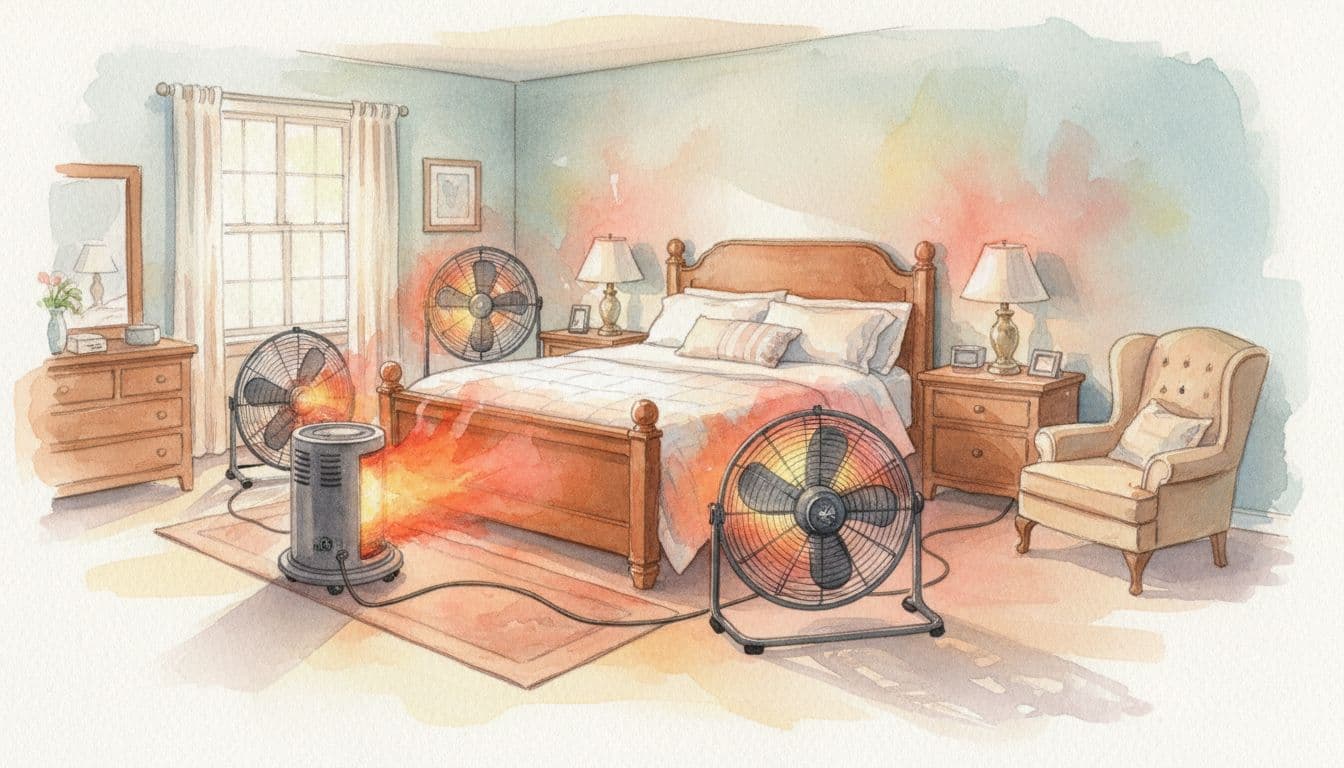
Costs rise fast when bugs move into the next room. A second bedroom, couch, hallway edge, or nursery changes the job because the crew may need more heaters, more fans, and more time to hold lethal temperatures across connected spaces.
That's why treating only one room can be risky. If bed bugs are already in nearby furniture or along baseboards outside the room, the cheapest quote may not solve the problem.
Why square footage and room layout can change the final quote
Room size affects price, but layout matters too. A large open room is often easier to heat than a cramped room packed with furniture.
Tall ceilings, heavy dressers, thick mattresses, and clutter all slow heat movement. Pros must get heat into cracks, seams, and other hiding spots. If the room has cold pockets, bed bugs can survive.
That's also why a finished basement bedroom or oversized primary suite may cost more than a standard spare room, even if both count as one room on paper.
What makes bed bug heat treatment more or less expensive
The biggest cost drivers are not mysterious. They're the same things that make any pest job harder: more bugs, more hiding spots, harder access, and more time on site. In Quincy, that often means older homes with lots of cracks, apartments with shared walls, or mixed-use buildings where movement between units is a concern.
Severity changes the bill the most. A light infestation in one bedroom is one job. Bed bugs spread through couches, baseboards, and multiple sleeping areas is a much bigger one. In real pricing, severe infestations can cost 2 to 3 times more than an early-stage case.
Current national pricing references, including this 2026 bed bug heat treatment cost guide, show the same pattern: the more space and labor involved, the faster the total climbs.
Infestation size, clutter, and follow-up work all affect the bill
A light case is cheaper because the crew can focus on fewer hiding places. Once bed bugs spread to mattresses, couches, bed frames, and wall edges, treatment takes more setup and more monitoring.
Clutter also adds cost. Piles of clothes, boxed items, and packed closets block heat flow. They make the room harder to treat evenly. In bad cases, companies may charge extra labor or require more prep before treatment day.
Some homes also need follow-up inspection or spot treatment. Heat is strong, but no reputable company should guess. If the infestation was severe, that extra check can add to the final total.
Emergency service and apartment settings often cost more
Urgent calls often cost more because same-day scheduling disrupts the company's route. If you need fast help, ask upfront about any extra fee tied to an emergency bed bug removal service.
Apartments and duplexes can also raise pricing. Bed bugs don't respect unit lines. In shared-wall housing, the company may need to inspect nearby rooms or suggest broader treatment if bugs may be moving between units. Quincy renters can get a clearer picture from these Quincy apartment bed bug tips.
What is usually included in the price, and what may cost extra
Most people don't mind paying for treatment. They mind surprise charges. That's why you should ask whether the quote includes the inspection, prep guidance, temperature monitoring, and post-treatment check.
A standard heat treatment quote often includes the inspection, equipment setup, heaters, fans, sensors, labor, and the treatment visit itself. Some companies bundle light post-treatment monitoring too. Others bill that separately.
Inspection fees vary. If they're not included, expect about $65 to $200 depending on the company and property type. Broader national cost comparisons, including the This Old House exterminator cost guide, show that what's included can vary almost as much as the price itself.
[BugEvicta Ad Placeholder: Request a written estimate or free inspection]
[Amazon Ad Placeholder: Mattress encasements or bed bug interceptors]
Services that are often part of a standard heat treatment quote
Many base quotes cover the core job: inspection, prep instructions, moving lightweight items as needed, placing heaters and fans, monitoring temperatures, and treating the target room or rooms.
Some providers also include a short follow-up check. Others leave you with prep and prevention steps after the room cools. If a quote sounds vague, ask what happens after service day and whether any return visit is included.
Extra fees to ask about before you book
This is where buyers save money. Ask about prep help, heavy furniture moving, repeat visits, clutter cleanup, detached garages, and whether certain heat-sensitive items must be removed.
Also ask whether the company is treating only the room with bites or the rooms around it too. That detail changes both price and success odds. A quote that skips nearby risk areas can look cheap at first and expensive later.
If you need a clear prep overview before comparing bids, this bed bug heat treatment process guide gives a useful outside reference.
Is heat treatment worth the cost compared with other bed bug options
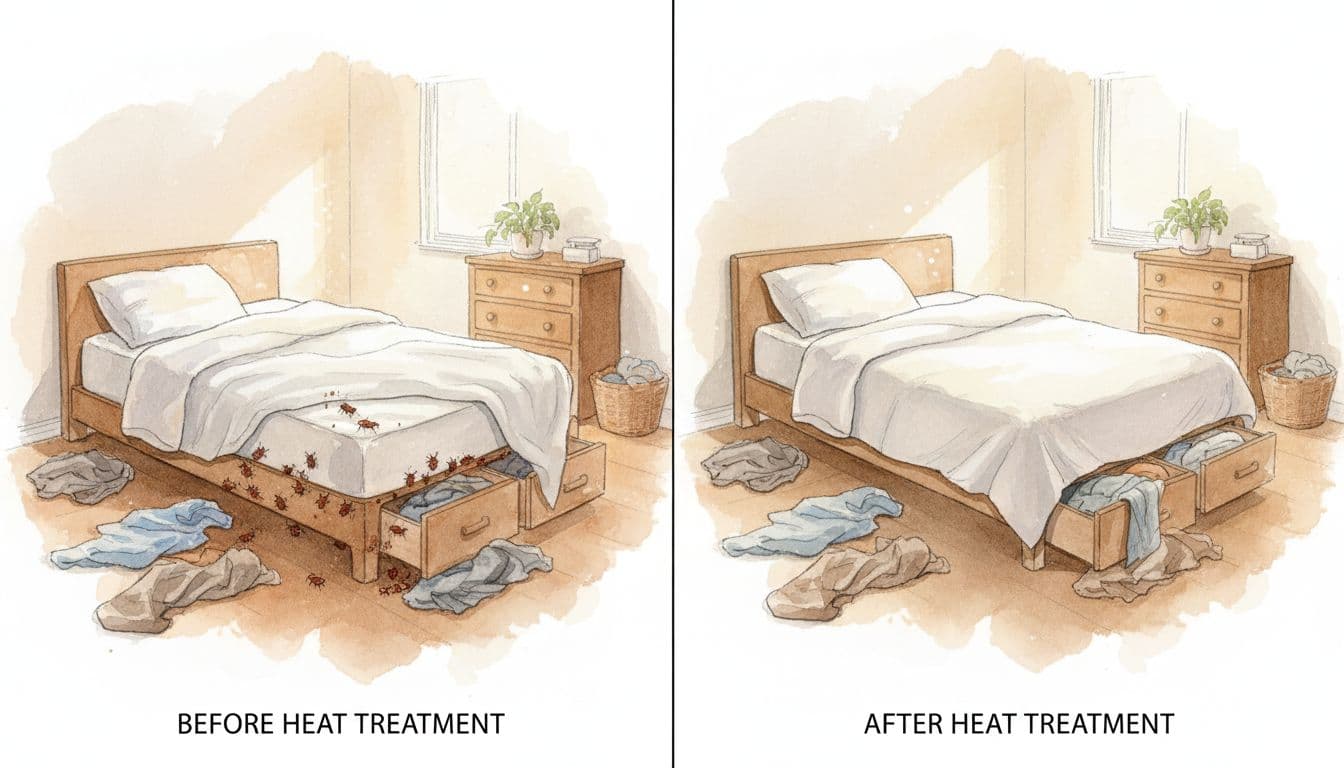
In 2026, heat treatment remains popular because it can be 95 to 100 percent effective in one visit when done correctly. That matters because bed bugs don't just hide as adults. Eggs and nymphs are part of the problem too, and heat can kill all life stages without relying only on chemicals.
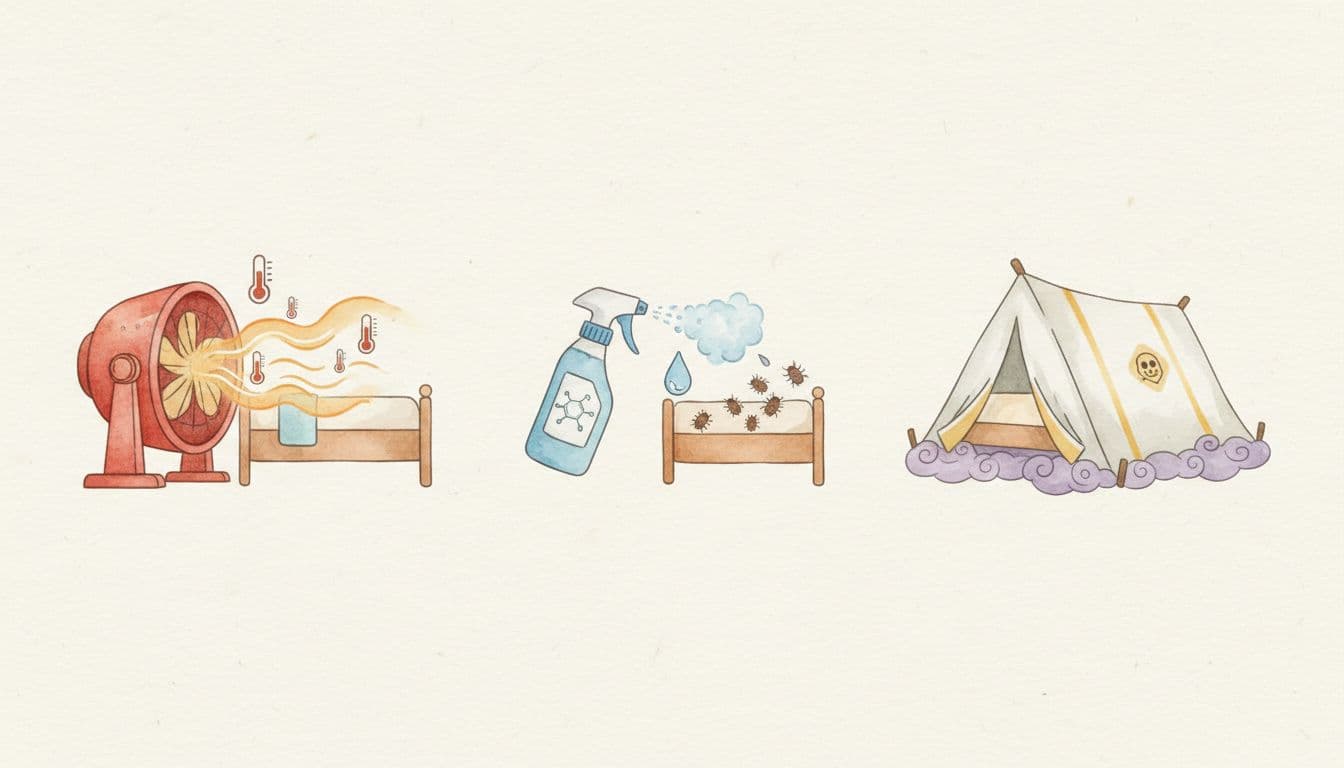
Heat usually costs more upfront than a basic chemical visit. Still, it often costs less than fumigation, and it can compare well with repeated chemical treatments when the infestation is already spread out. A broad 2026 review of bed bug treatment costs and options shows why many homeowners choose heat when they want speed and fewer repeat appointments.
When paying more upfront can save money later
A strong one-time treatment can save more than service fees. It may cut repeat visits, missed work, lost sleep, and the urge to throw out furniture that could have been treated.
That's the hidden math. The cheapest quote can turn into the most expensive choice if the bed bugs come back in two weeks and spread into another room.
How to get an accurate quote without overpaying
First, get an inspection. Photos help, but bed bugs hide well, and room count alone doesn't tell the full story.
Next, compare what each quote includes. Ask about inspection fees, guarantees, prep help, follow-up, and whether the company treats just one room or connected rooms too. Also confirm the provider is local, licensed, insured, and experienced with bed bug heat jobs in apartments and multi-room homes.
If two quotes are close, pick the one that clearly explains scope. In bed bug work, clarity is often worth more than a small price difference.
Bed bug heat treatment per room usually costs $300 to $500, with many one-room jobs landing around $250 to $600. Larger rooms, heavy clutter, and severe infestations can push the price much higher.
The best value isn't always the lowest quote. If prep, follow-up, or nearby rooms are excluded, that low number may not fix the problem.
If you're in Quincy, the smart next step is simple: get an inspection and a written estimate before the bed bugs spread any farther.