
Why Regular Pest Maintenance Protects Illinois Homes

TL;DR:
- Many pests in Illinois homes grow undetected and cause extensive hidden damage. Regular pest maintenance, especially through integrated pest management, prevents costly issues and health risks. Ongoing inspections and targeted treatments offer a safer, cost-effective solution tailored to seasonal pest challenges.
Most Illinois homeowners only call a pest control company when they spot something crawling across the kitchen floor. By that point, the infestation has often been growing for weeks or months. Termites quietly hollow out wooden beams. Rodents nest inside walls and chew through wiring. Cockroaches contaminate food long before you notice a single one. The real threat is not the pest you can see. It is the colony, the nest, or the structural damage building up behind the scenes. Regular pest maintenance changes that equation entirely, shifting you from reacting to problems to stopping them before they start.
Table of Contents
- The hidden dangers of ignoring pests
- Why prevention beats reaction: The case for scheduled pest maintenance
- How Integrated Pest Management (IPM) works for your home
- Building a regular pest management routine: Steps for Illinois homeowners
- Expert perspective: What most homeowners get wrong about pest prevention
- Get peace of mind with trusted pest maintenance solutions
- Frequently asked questions
Key Takeaways
| Point | Details |
|---|---|
| Pests hide damage | Many pests cause harm long before visible signs appear, making routine checks crucial. |
| Prevention saves money | Regular maintenance is far less costly than repairing damage from ignored infestations. |
| IPM is effective | Integrated Pest Management promotes safe, efficient pest control, prioritizing inspection over unnecessary chemicals. |
| Choose proactive services | Reliable pest control providers focus on inspection, prevention, and tailored treatment plans. |
The hidden dangers of ignoring pests
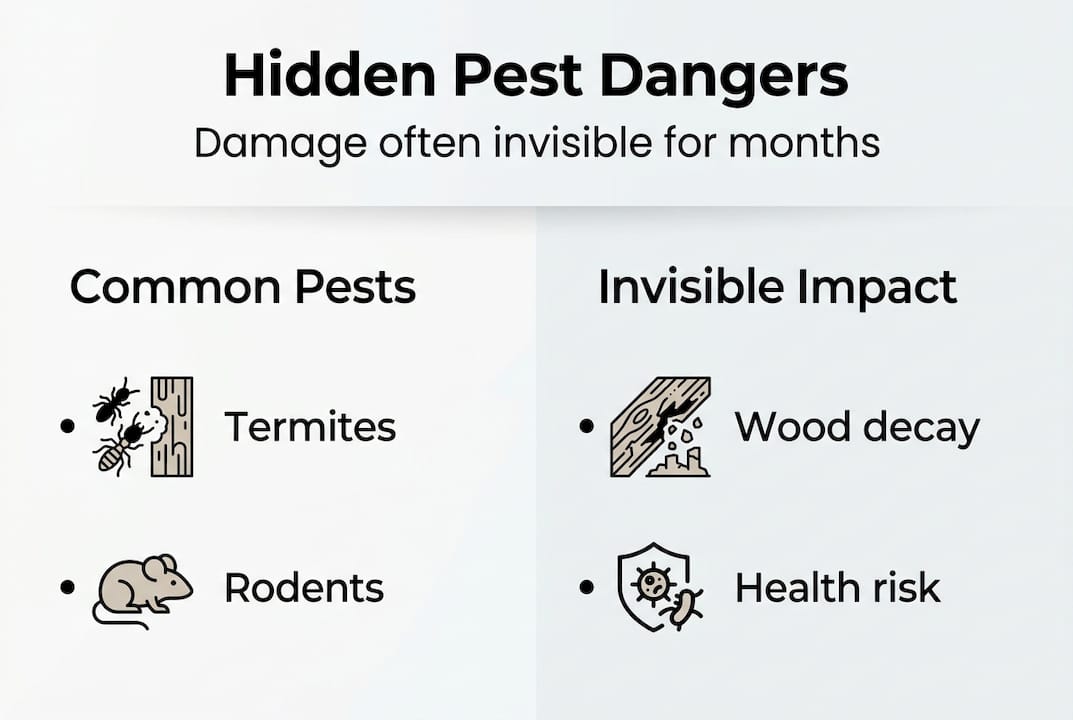
Pest problems in Illinois homes rarely announce themselves. You might go months without seeing a single ant, rodent, or roach, and still have a serious infestation developing inside your walls, crawlspace, or foundation. That silence is exactly what makes neglect so costly.
Many pests damage homes and health long before obvious signs are visible. Termites, for example, can consume wood from the inside out for years before a floor starts to sag or a wall begins to buckle. By the time you notice, repair costs can run into the thousands. Rodents are similarly deceptive. They nest in insulation, gnaw on electrical wiring, and leave behind droppings that spread disease, all without making enough noise to raise an alarm.
Illinois homeowners face a specific set of pest pressures based on the state’s climate and geography. Warm, humid summers create ideal conditions for cockroach activity and mosquito breeding. Cold winters push rodents indoors in search of warmth. Spring thaws trigger termite swarms and ant colonies to expand. Keeping up with local pest insights helps you understand what to watch for and when.
Here are the most serious risks linked to untreated pest activity in Illinois homes:
- Structural damage: Termites and carpenter ants destroy wood framing, flooring, and support beams silently over time.
- Health hazards: Cockroach allergens trigger asthma attacks, especially in children. Rodent droppings carry hantavirus and salmonella.
- Food contamination: Roaches and rodents spoil pantry goods and spread bacteria across kitchen surfaces.
- Electrical fires: Rodents chew through wiring insulation, creating a genuine fire risk inside walls.
- Worsening allergies: Pest debris, shed skins, and droppings become airborne and aggravate respiratory conditions year-round.
“The pests you cannot see are often the ones doing the most damage. Waiting for visible signs before acting is the most expensive mistake an Illinois homeowner can make.”
Knowing how to spot early warning signs matters too. Learning signs of ants early in the season, for instance, can prevent a minor nuisance from becoming a full colony inside your home’s foundation. The pattern is consistent across pest types: early detection always costs less than late-stage treatment.
Why prevention beats reaction: The case for scheduled pest maintenance
Once you understand what is at stake, the question becomes straightforward. Is it better to wait for a pest problem to appear, or to stop it before it starts? The evidence strongly favors prevention.
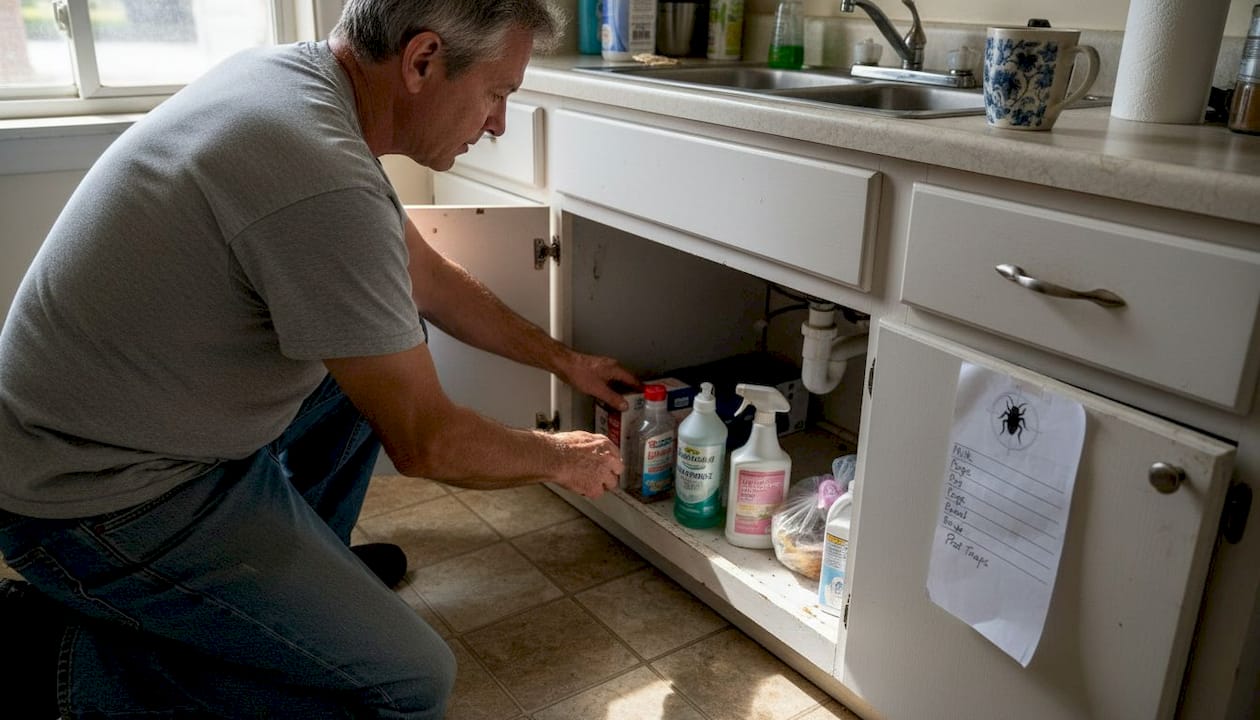
Scheduled pest maintenance works because it catches problems at their earliest stage, before populations grow and damage accumulates. A trained technician inspecting your home quarterly sees things you would never notice: mud tubes along the foundation, gnaw marks near utility lines, moisture damage that attracts wood-destroying insects. Reactive treatment, by contrast, only begins after the problem is already established.
IPM methodologies recommend ongoing monitoring and preventive action, using chemicals only when necessary. This approach, known as Integrated Pest Management, is the gold standard recommended by the EPA. It prioritizes inspection and monitoring over blanket chemical applications, which means less chemical exposure for your family and more targeted results.
| Approach | Cost over time | Chemical use | Effectiveness |
|---|---|---|---|
| Reactive treatment | High (emergency pricing) | Often heavy | Addresses current issue only |
| Scheduled maintenance | Lower (predictable) | Minimal, targeted | Prevents future issues |
| No treatment | Highest (repair + health) | None | No protection |
The financial case for prevention is hard to argue with. Emergency pest removal, especially for bed bugs or termites, carries premium pricing and disrupts your household for days. Ongoing pest management spreads that cost out over time and eliminates the crisis entirely.
Pro Tip: Ask any pest control provider whether their maintenance plan includes a written inspection report after every visit. If they cannot tell you exactly what they found and why they treated it, that is a red flag.
Here is what a prevention-focused maintenance plan typically protects against:
- Seasonal ant and cockroach invasions triggered by temperature changes
- Rodent entry as temperatures drop in fall and winter
- Termite swarm activity in spring
- Mosquito population buildup near standing water in summer
- Pantry pest infestations from improperly stored food
For situations that escalate despite preventive efforts, knowing your options for emergency pest removal matters. But with a solid maintenance routine, those situations become rare exceptions rather than recurring stress.
How Integrated Pest Management (IPM) works for your home
IPM is not just a buzzword. It is a structured, science-backed approach to pest control that prioritizes long-term results over short-term fixes. Understanding how it works helps you evaluate whether a pest control provider is actually protecting your home or just spraying on a schedule.
The core idea behind IPM is simple: identify the problem accurately, address the root cause, and use the least disruptive treatment necessary. IPM in schools saves money and improves health outcomes, and the same principles apply directly to residential settings. Less chemical use means lower exposure risk for children, pets, and anyone with respiratory sensitivities.
Here is how a proper IPM plan unfolds in a home setting:
- Inspection: A technician examines the interior and exterior for pest activity, entry points, moisture issues, and conducive conditions.
- Identification: The specific pest species and infestation level are confirmed before any treatment is selected.
- Prevention: Entry points are sealed, sanitation recommendations are made, and structural vulnerabilities are flagged.
- Monitoring: Traps and monitoring stations track activity levels between visits.
- Targeted treatment: If chemical treatment is needed, it is applied precisely where pest activity is confirmed, not broadcast across the whole home.
Pro Tip: Keep a simple log of where you notice pest activity between professional visits. Even a note on your phone helps your technician pinpoint problem areas faster and apply treatment more precisely.
IPM also reduces the risk of pest resistance. When the same broad-spectrum pesticide is applied repeatedly, pest populations can adapt over time. Targeted, rotation-based treatment under IPM avoids this problem entirely.
For Illinois homeowners concerned about specific threats, the EPA’s recommendations for IPM provide a solid foundation for what to expect from a quality service. Pairing that knowledge with resources like our termite prevention guide and rodent control strategies gives you a complete picture of what proactive home protection looks like in practice.
Building a regular pest management routine: Steps for Illinois homeowners
Knowing that prevention works is one thing. Building an actual routine around it is another. Here is how to set up a maintenance plan that fits Illinois’s seasonal pest patterns and keeps your home protected year-round.
Start by scheduling inspections at the right frequency. Most homes benefit from quarterly visits, with additional attention during spring and fall when pest activity shifts most dramatically in Illinois. Spring brings termite swarms and ant colonies. Fall pushes rodents and overwintering insects indoors. Winter is the best time to address structural vulnerabilities before they become entry points.
Here is what to expect during a professional maintenance visit:
- Exterior inspection: Foundation, roofline, utility entry points, and landscaping are checked for pest activity and entry risks.
- Interior walkthrough: Kitchen, bathrooms, basement, and crawlspace are examined for moisture, droppings, and structural damage.
- Targeted application: If activity is found, treatment is applied specifically to affected zones, not the entire home.
- Written report: A good provider documents findings and explains any recommendations clearly.
- Follow-up plan: Next steps and the timing of the next visit are confirmed before the technician leaves.
IPM service contracts should prioritize inspection and targeted treatment, not blanket spraying. When vetting a provider, ask directly whether their plan is inspection-driven or spray-driven. The answer tells you everything about their approach.
Pro Tip: Integrate pest maintenance into your broader home care calendar alongside HVAC servicing and gutter cleaning. Treating it as a standard part of home upkeep makes it easier to stay consistent and catch problems before they grow.
For Illinois homeowners ready to take the first step, finding pest control services that specialize in local pest patterns is the most important decision you will make. A provider who understands Illinois-specific threats will always outperform a generalist.
Expert perspective: What most homeowners get wrong about pest prevention
After working with Illinois homeowners across seasons and pest types, the pattern is clear: the biggest mistake is not a lack of effort. It is a misplaced sense of timing. Most people believe they will know when they have a pest problem. They will see something, smell something, or find damage. That assumption is wrong more often than it is right.
Termite colonies can be active for two years before a homeowner notices anything. Rodents can establish nesting sites inside insulation without a single audible sign. The pests that cause the most damage are precisely the ones that are hardest to detect.
The other misconception we see constantly is that a one-time treatment solves the problem. It rarely does. Pests return because the conditions that attracted them in the first place, moisture, food access, entry points, have not changed. A customized, ongoing plan addresses those root causes. Emergency response treats the symptom. Regular maintenance treats the home.
For deeper reading on what is happening in Illinois neighborhoods right now, our local pest insights section covers seasonal trends and emerging threats that affect your specific area. Real peace of mind comes from staying ahead of the problem, not scrambling to catch up with it.
Get peace of mind with trusted pest maintenance solutions
If this article has made one thing clear, it is that waiting for pests to appear is never the right strategy for an Illinois home. The damage, the health risks, and the stress are all avoidable with the right plan in place.

At BugEvicta Pest Control, our Illinois pest control experts build maintenance plans around your home’s specific risk profile and Illinois’s seasonal pest calendar. Whether you are concerned about termites, rodents, ants, or roaches, we start with a thorough inspection and deliver targeted solutions that protect your home without unnecessary chemical use. Our termite prevention guide is a great first resource, and our team is ready to help you build a plan that keeps your home safe all year long. Reach out today to get started.
Frequently asked questions
How often should Illinois homeowners schedule pest inspections?
Ongoing inspections catch issues early and minimize risk, which is why most homes benefit from professional pest inspections every 3 to 6 months. Scheduling around peak seasons like spring and fall gives you the best protection against Illinois’s most active pest periods.
Is IPM safe for kids and pets?
Yes. IPM reduces chemical exposure and uses targeted treatments only when pest activity is confirmed, making it a much safer option for households with children and pets compared to routine blanket spraying.
What pests are most common in Illinois homes?
Structural pests like termites and rodents go unnoticed until they cause serious problems, but ants and cockroaches are also persistent threats that Illinois homeowners deal with across every season.
Can regular pest maintenance save money over time?
Absolutely. Prevention reduces long-term expenses and health risks significantly, since the cost of repairing termite damage or handling a rodent infestation far exceeds the investment in a consistent maintenance plan.