

Termites can work behind walls and under floors for months before you see them. When the signs finally show up, the repair bill can hit hard.
If you own a home in Quincy or nearby, early clues matter more than panic. A few smart checks, solid moisture control, and safe treatment can stop a hidden problem before wood damage grows. Start with how termites behave and the clues they leave behind.
Why termites are so easy to miss
Termites don't need light, and they avoid open air when they can. In much of Illinois, the most common concern is subterranean termites. They live in soil, then move into homes through hidden paths near the foundation, crawl space, or basement wall.
That hidden lifestyle is why damage often stays out of sight. Termites feed from the inside of wood, so trim or flooring can look fine on the surface while the inside weakens. A stuck window, a soft baseboard, or bubbling paint can seem minor at first.
Humidity and moisture raise the odds. Leaky spigots, clogged gutters, wet mulch, and wood touching soil all make a house easier for termites to use. Older porches, fence posts, and garage edges also deserve a close look.
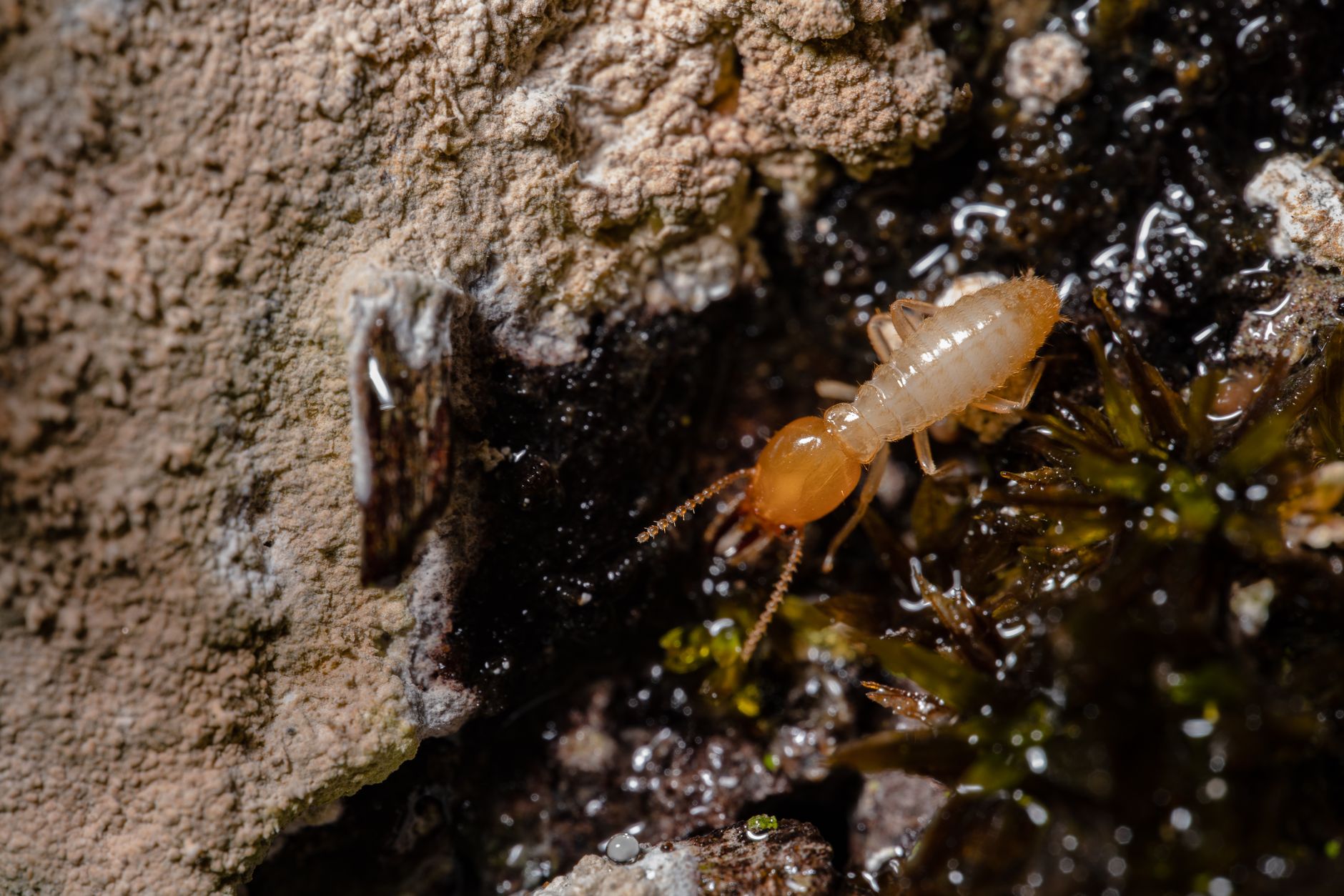
Photo by Jimmy Chan
Spring can bring another clue, swarmers. These winged termites may gather near windows, doors, or outdoor lights. A brief swarm doesn't always mean the whole house is infested, but it does mean termites are active nearby. For a more local breakdown, see these early termite warnings in Quincy homes.
Termites vs. carpenter ants, the difference matters
Many homeowners mix up termites and carpenter ants, especially when they find winged insects indoors. The mix-up is common, but the fix is not the same.
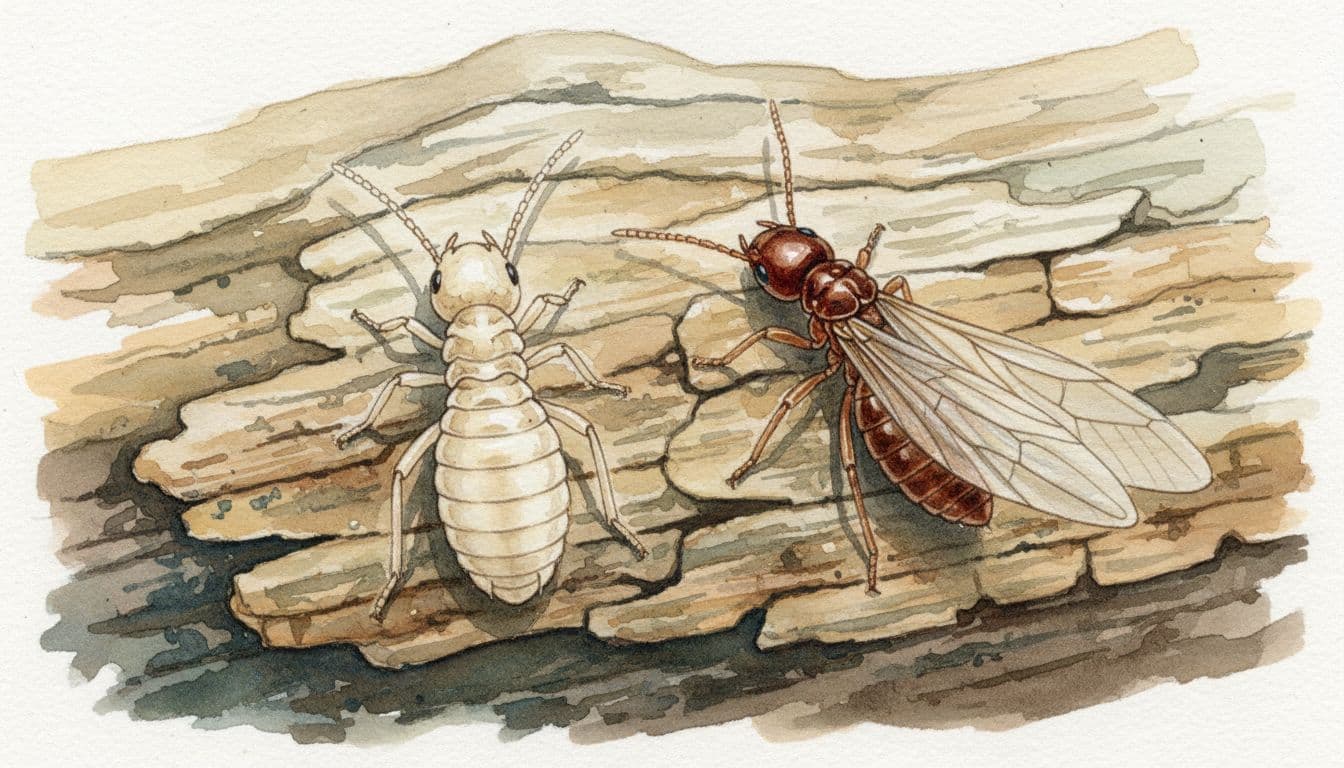
This quick comparison helps:
| Pest | What it looks like | What it leaves behind |
|---|---|---|
| Termites | Straight antennae, thick waist, wings of equal length | Mud tubes, shed wings, hollow wood |
| Carpenter ants | Elbowed antennae, narrow waist, front wings longer than back wings | Sawdust-like frass, smooth galleries, visible ants |
Termites eat wood and other cellulose-based material. Carpenter ants do not eat wood. They carve it out to build nests, which is why they often leave coarse shavings behind. Termite tunnels tend to look rough and dirty, while carpenter ant galleries look smoother and cleaner.
Color won't help much, and size can fool you. Body shape is more reliable. If you are comparing swarmers near a window or porch light, this guide to carpenter ants vs. termites shows the main traits clearly.
A wrong guess can waste time. If you treat carpenter ants like termites, or termites like ants, the source of the problem stays in place.
Signs of termite damage in your home
Most termite clues start small. A thin mud tube on a concrete wall often matters more than a large stain on trim. So does a pile of matching wings on a sill.
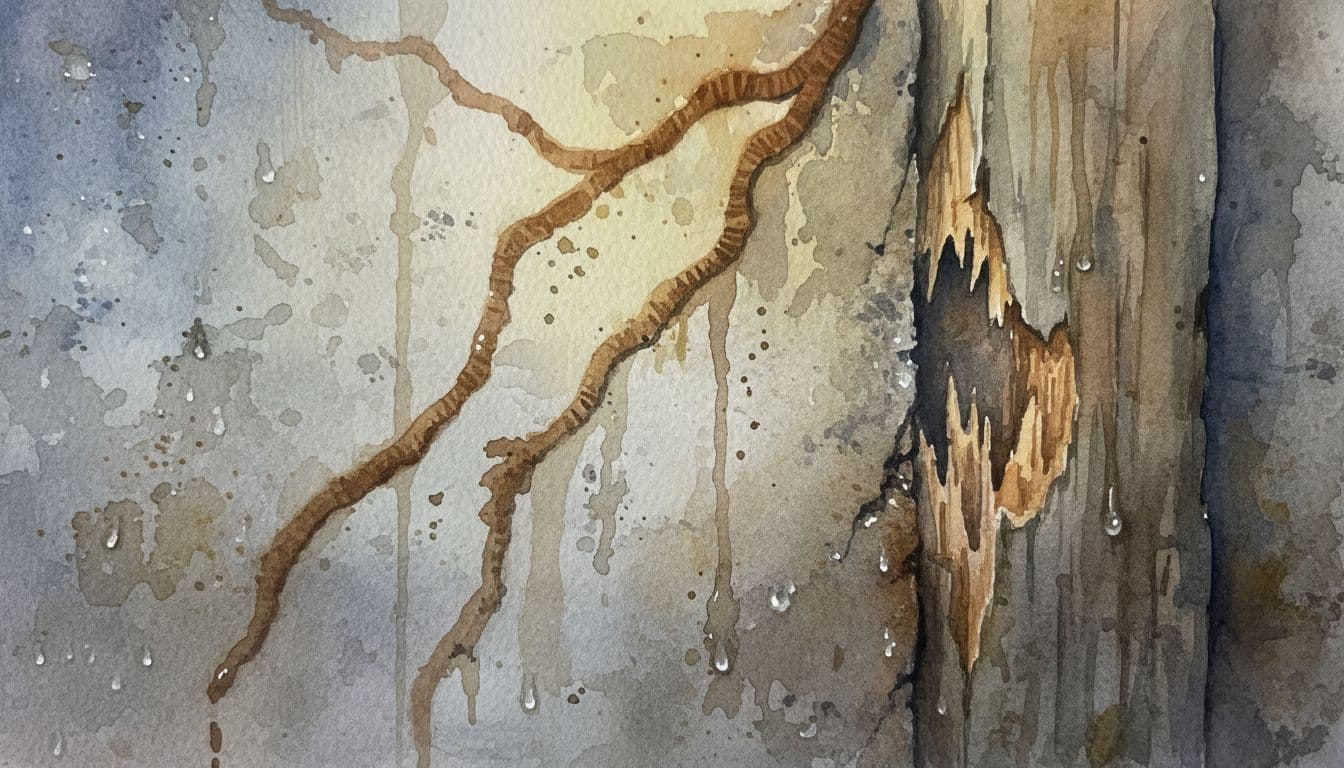
Watch for hollow-sounding wood, blistered paint, baseboards that feel soft, and doors that suddenly start sticking. Floors may sag when feeding has gone on for a while. Outside, check porch posts, steps, garage edges, and any place where siding or trim sits close to soil.
Also inspect the foundation line, basement walls, crawl space vents, and areas around plumbing or utility entry points. Termites often follow moisture, so leaks and damp corners deserve extra attention.
Mud tubes are one of the clearest termite signs because they help termites stay moist while moving from soil to wood.
If you find something suspicious, take photos first. Then keep kids and pets away from the area. Don't break open damaged wood, and don't soak the spot with store-bought spray. That can hide evidence and push insects into a different part of the structure. For another plain-language look at ant and termite clues, HowStuffWorks covers the main differences.
Prevention, inspection, and safe treatment
Prevention starts with moisture control. A dry home is harder for termites to use, and simple upkeep helps more than many people think.
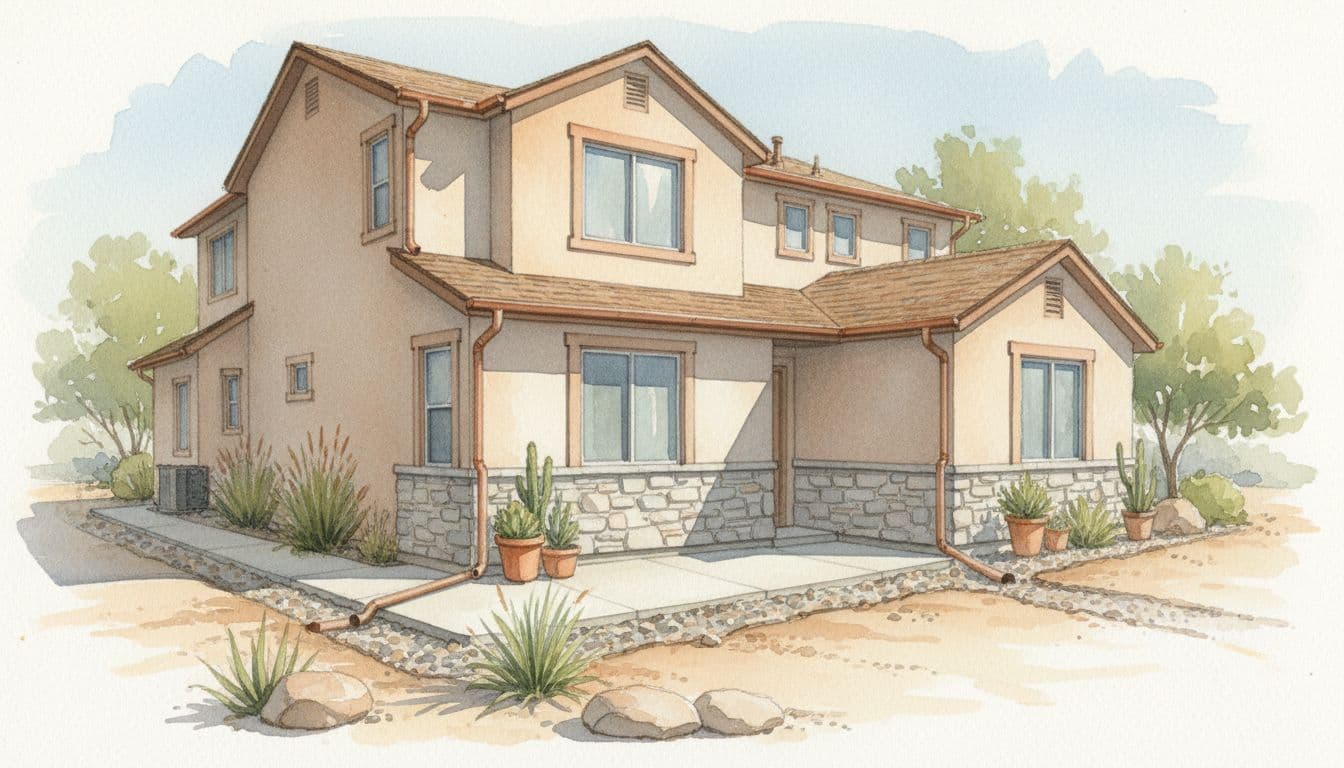
Focus on a few basics:
- Keep firewood, scrap lumber, and heavy mulch away from the foundation.
- Fix leaks, poor drainage, and clogged gutters so soil dries out faster.
- Trim plants back from siding and porch areas that stay damp.
- Avoid wood-to-soil contact around steps, fences, lattice, and deck supports.
A professional inspection usually looks at more than damaged wood. The inspector checks the foundation, crawl space, sill plates, porch supports, trim, garage edges, and moisture-prone spots. That matters because visible termites are often only a small part of the problem.
Treatment depends on the species, the layout of the property, and where the activity is found. Soil treatments, bait stations, and targeted wood treatments are common options. Severe infestations should be handled by local licensed professionals, especially when drilling, trenching, or restricted-use products may be involved. If signs are adding up, termite treatment services near Quincy can confirm active termites and choose the right method for your home.
Fast action matters, but panic doesn't help. With termites, the best response is accurate ID, dry conditions, and treatment that reaches the source.
A house rarely falls apart overnight. Still, termites win by staying hidden, so small warning signs deserve attention early. Catch them soon, and you have a much better chance of avoiding major repairs later.
Recommended Reads:
Bed bug detection: Effective methods for Illinois homes
How to Treat Termites: Expert Steps for Illinois Homes
Bed Bugs: The Complete Guide to Identifying,
Emergency Bed Bug Removal Service — Immediate Relief from Infestations