
When pests show up, pet owners have two worries at once. You want the ants, mice, bed bugs, termites, or mosquitoes gone, and you don't want your dog, cat, bird, or reptile exposed to the wrong treatment.
Good pet-friendly pest control solves both problems. In Quincy, that usually means careful product choice, tight placement, smart inspection work, and clear safety steps before and after service. If you're comparing local companies, the details matter more than the marketing, so start with what makes Quincy homes different.
Why Quincy pet owners need a safer approach to pest control
Quincy homes deal with pests for practical reasons. Weather shifts fast, many houses are older, yards hold moisture, and some neighborhoods back up to fields or wooded edges. In apartments and duplexes, shared walls also give pests more places to move.
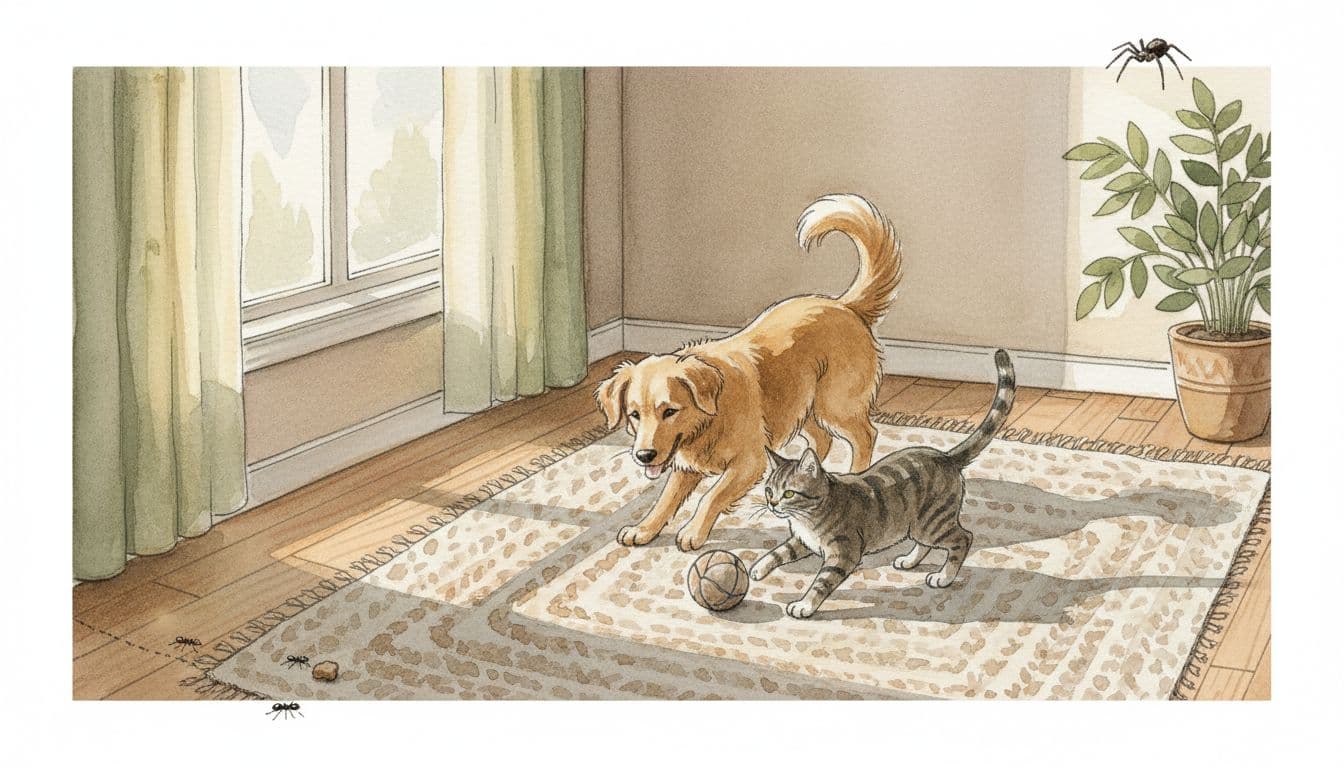
Pets face extra risk during both infestations and treatment. A dog may sniff a bait station. A cat may lick a floor too soon. Small animals can find droppings, dead insects, or tracked-in residue before you do. At the same time, untreated pests bring their own hazards, from bites and contamination to stress inside the home.
Spring 2026 has also brought strong ant activity and early rodent pressure across Illinois. That makes early, low-exposure control even more important for Quincy pet owners.
The pests Quincy homeowners deal with most often
Ants often show up first in kitchens, bathrooms, and around windows. Mice and rats slip into basements, garages, and wall voids, especially when outside food and shelter get scarce. Bed bugs stay active year-round and hide in beds, couches, and nearby cracks. Termites work in damp wood, often out of sight until damage starts.
Cockroaches like warm, hidden spaces near food and water. Spiders gather where other bugs are active. Mosquitoes build up in yards with standing water, clogged gutters, or shaded areas.
In homes with pets, these pests create added problems. Dogs may nose around rodent droppings. Cats may paw at insects or traps. Pets can also react to bites, especially from fleas, mosquitoes, or bed bugs. If you're comparing providers, this is why broad promises aren't enough. A company should explain how it handles both pest pressure and pet safety. For a broader look at local provider options, this Quincy pest control company roundup can help you compare the local market.
How pets can be exposed during a pest problem or treatment
Most exposure risks are simple. Pets lick floors, chew strange objects, and explore corners people ignore. That matters when bait, traps, or fresh liquid products are placed carelessly.
Another risk comes after rodent treatments. A poisoned mouse that dies where a pet can reach it creates a second hazard. Fresh spray residue, loose granules, and unsealed bait can also cause problems if pets return too soon.
Stress matters too. Some pets panic when routines change. If they rush back into treated rooms, hide near baseboards, or chew moved items, they may come into contact with areas that should stay undisturbed until dry or secured.
What to look for in a safe pet-friendly pest control service
Start with the basics. The company should be licensed and insured in Illinois, explain its treatment plan in plain language, and give you written safety directions for pets. It should also focus on prevention, not only the first visit.
Many better providers now lean on inspection, monitoring, exclusion, and targeted materials instead of heavy, wide-area spraying. That approach lines up with the pet safety advice shared in Ehrlich's pet-friendly pest control guide, which stresses product choice, placement, and clear instructions.
A solid Quincy provider should also talk about your home itself. Older trim, damp crawl spaces, yard drainage, food storage, and pet feeding routines all shape the plan. If a company skips those details, it may be selling a standard service instead of solving your problem.
Ask about products, drying times, and where treatments go
Ask direct questions before booking. What products will be used? Are they labeled for residential use around pets when applied as directed? How long do floors, baseboards, or yard areas need to dry before pets return?
You should also ask whether bowls, litter boxes, cages, toys, bedding, or aquariums need to be moved or covered. A good company won't dodge those questions. It will give simple, plain-language answers you can follow without guessing.
If the instructions sound vague, keep looking. Clear safety directions are part of the service.
Choose companies that focus on targeted treatment, not blanket spraying
Targeted treatment lowers exposure and often works better. Crack-and-crevice work, sealed bait placement, monitoring traps, exclusion repairs, and careful inspection hit the pest where it lives.
Blanket spraying can miss the source. It may also treat surfaces your pet uses every day. By contrast, targeted service keeps materials in the right place and cuts down on unnecessary contact. Some local companies also describe Quincy-specific pest pressure and treatment choices in their service pages, including Quincy area pest concerns, which can help you ask sharper questions.
Safe treatment methods that work well in homes with pets
The best plan depends on the pest. Ants, rodents, mosquitoes, and bed bugs do not respond to the same method, so one-size-fits-all service rarely works well.
Pet-conscious pest control uses the least amount of product needed, in the right spot, at the right time. That may include baits, traps, exclusion work, heat, yard source reduction, or follow-up monitoring.
Integrated pest management keeps treatment focused and lower risk
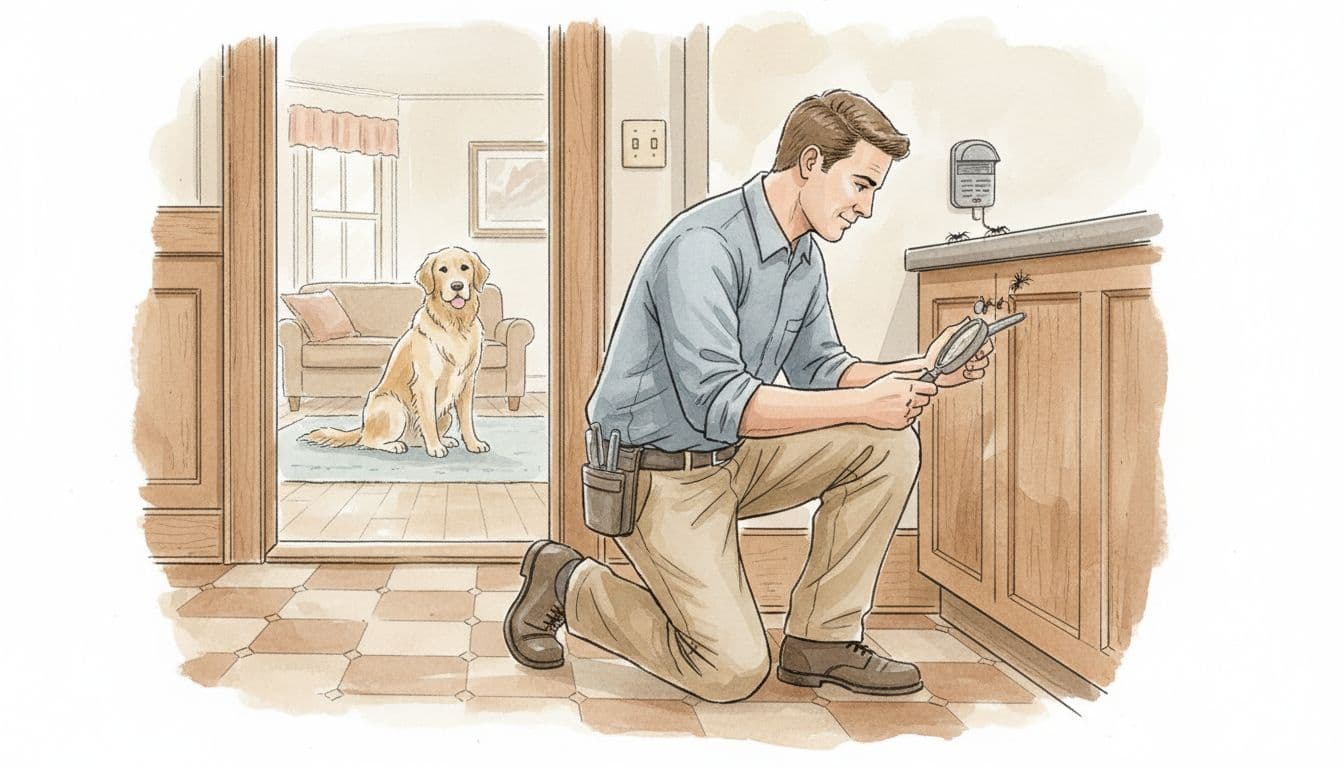
Integrated pest management, often called IPM, means a company doesn't jump straight to broad chemical use. First it inspects. Then it looks at food sources, entry points, moisture, clutter, and pest activity. After that, it uses the least amount of material needed to get control.
For pet owners, that matters. IPM may include sealing gaps, fixing leaks, cleaning up attractants, placing monitors, and treating only active areas. Because the work is more precise, pets have fewer chances to contact products they don't need near them.
This approach also helps results last longer. If a mouse gets in through a gap under the door, killing one mouse won't fix the real problem. Sealing the gap does.
Pet-safe options for ants, rodents, mosquitoes, and bed bugs
Ant control often works best with targeted bait placed where pets can't reach it. Spraying every visible ant rarely solves the colony. Pros usually treat trails, nest sites, and entry points.
Rodent service should rely on tamper-resistant bait stations, snap traps in secured spots, and exclusion work. Sealing holes around pipes, garage edges, and utility lines is a big part of the job.
For mosquitoes, timing matters. Yard treatments should come with re-entry directions, and standing water should be reduced first. That means cleaning gutters, dumping containers, and fixing drainage. Without that prep, mosquito pressure returns fast.
Bed bugs call for a different plan. Heat treatment, careful room prep, and follow-up inspections often fit homes with pets because they reduce whole-room chemical use. If you're budgeting for that type of work, these details on Quincy bed bug treatment costs can help you plan ahead.
How to prepare your home and pets before pest control day
A little prep makes treatment safer and more effective. It also cuts stress on service day, which matters if you have anxious pets or a busy household.
Tell the company about every animal in the home, not only dogs and cats. Birds, reptiles, fish, rabbits, and small mammals may need extra steps.
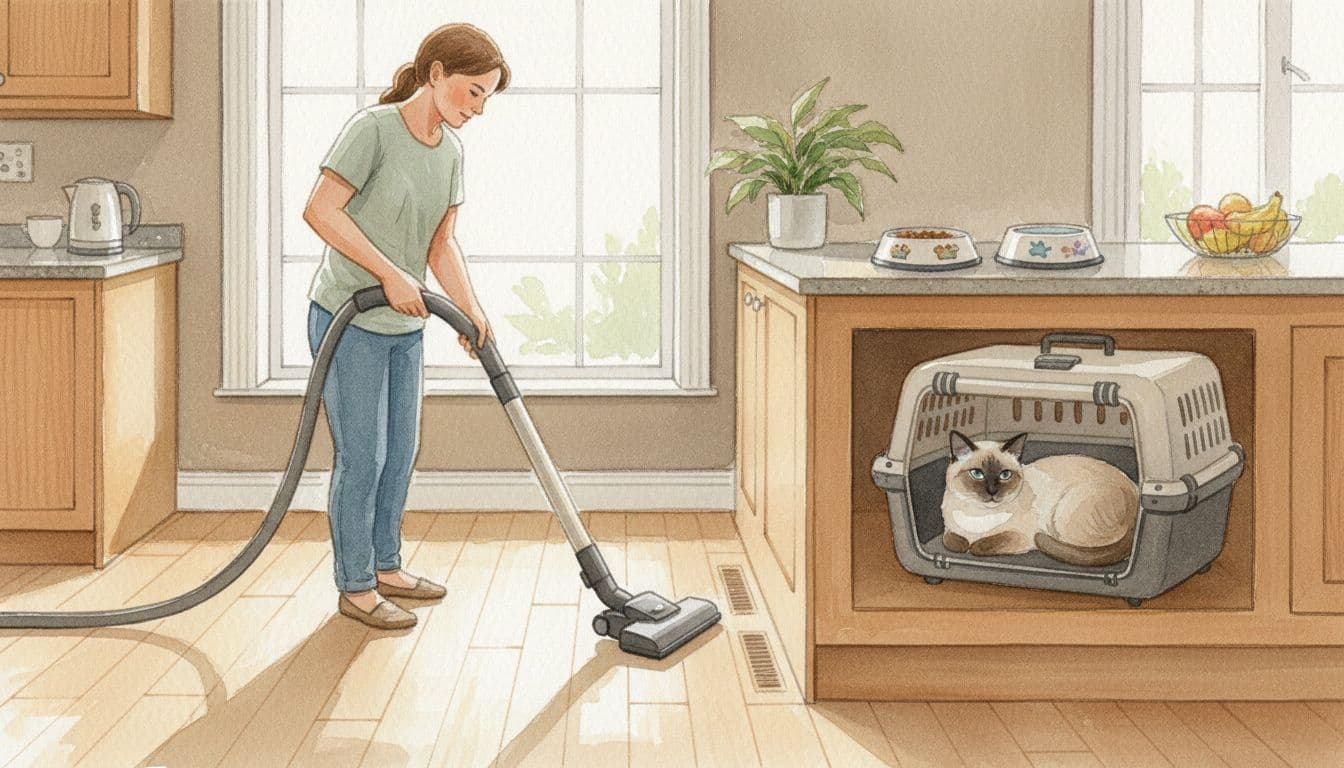
Simple steps before the technician arrives
Before the visit, follow the prep list the company gives you. In many homes, that means picking up pet bowls, toys, and bedding if requested, vacuuming problem areas, and clearing baseboards, sinks, or utility spaces so the technician can inspect properly.
Keep pets secured during the visit. A carrier, closed room, or time away from the home can prevent stress and accidental contact. If you're dealing with a fast-moving bed bug issue, quick action matters, and an emergency bed bug removal service may make more sense than waiting.
Don't forget to mention fish tanks, bird cages, and reptile enclosures before the appointment. Those setups often need special handling.
What to do after treatment so pests stay away
After service, stick to the re-entry time given to you. Wait until treated surfaces are dry, and only clean areas the way your technician recommends. Wiping too soon can reduce the treatment, while letting pets roam too early can raise exposure.
Then focus on prevention. Seal cracks, store pet food and human food in tight containers, fix leaks, trim outdoor clutter, and keep follow-up visits if the plan includes them.
Apartment residents need extra care because pests can move through walls and shared spaces. If you live in a multi-unit building, these Quincy apartment bed bug tips are useful for spotting risks early and avoiding spread between units.
Quincy pet owners don't have to choose between a pest-free home and a safe one. The best results come from licensed technicians, targeted methods, clear instructions, and prevention work that lasts.
When you notice early signs, act early. Compare quotes, ask direct safety questions, and look for a company that treats your pets as part of the plan, not an afterthought.
Recommended Reads:
Termite prevention guide for Illinois homeowners 2026
Bed Bugs: The Complete Guide to Identifying,
Emergency Bed Bug Removal Service — Immediate Relief from Infestations