

A bed bug problem can turn one tenant complaint into a vacancy, a refund request, and a bad review fast. For landlords, the real cost is rarely the first bite. It's the spread, the downtime, and the second treatment you didn't plan for.
In 2026, national tracking still shows active bed bug pressure in Illinois cities such as Chicago, Champaign, Springfield, and Decatur, while Iowa cities such as Cedar Rapids and Davenport moved up in the rankings. For owners across the Illinois, Missouri, and Iowa tri-state area, that's a reminder to act early, not gamble on random sprays.
This guide is written for landlords and property managers who need safe, fast removal from a reliable local pro. If you're already comparing companies, this is where to sort the solid operators from the quick guessers.
[Ad Placeholder: Get a Fast Bed Bug Quote from BugEvicta]
What a good local bed bug exterminator should do before treatment
A trusted company shouldn't rush to treatment before it confirms what's there. Bed bugs hide well, spread in silence, and often look smaller than landlords expect. So the first job is inspection, not sales.
Before you approve service, ask for clear findings, a written plan, tenant prep steps, the expected timeline, and proof the company is licensed and insured. If a tech can't explain where the bugs are hiding or what happens after the first visit, keep looking.
Look for a clear inspection plan, not a quick guess
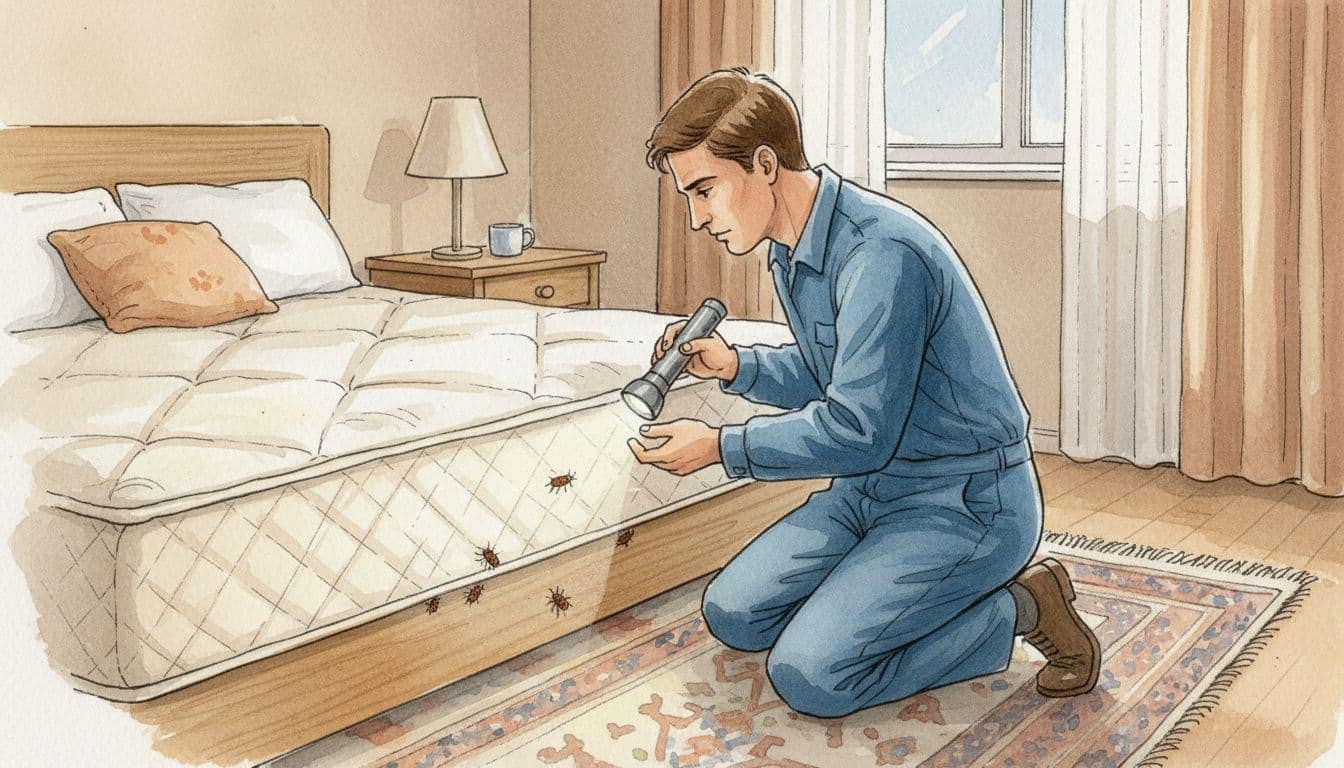
Bed bugs don't stay only on the mattress. They hide in seams, box springs, bed frames, couches, baseboards, outlet covers, nightstands, and wall cracks. In apartments, they may also move through shared walls and utility gaps.
That's why a real inspection should cover sleeping areas, nearby furniture, and, when the layout calls for it, neighboring units. Purdue's landlord checklist for apartment managers makes the same point, because skipping nearby units can let the problem come right back.
If you manage shared-wall rentals, it helps to review these apartment bed bug tips in Quincy before you approve work. A good exterminator should also give you written notes, not vague language like "looks fine" or "probably limited."
Ask how they handle tenant prep, access, and follow-up
Strong bed bug service is part treatment, part coordination. Tenants need notice, prep sheets, laundry directions, bagging steps, clutter reduction guidance, and clear rules for access to beds, sofas, and closets.
Most of all, ask how follow-up works. Many infestations need more than one visit, because eggs and hidden bugs can survive missed spots. A dependable company will tell you how many visits are included, when they return, and what signs they expect after treatment.
A formal bed bug inspection checklist can also help your staff keep records straight between visits. That cuts confusion, speeds unit turnover, and gives you a better paper trail if complaints continue.
Fast, safe bed bug removal options landlords can trust
Safe removal doesn't mean using the weakest option. It means choosing the right method for the unit, applying it the right way, and giving tenants clear re-entry instructions. In rentals, speed matters, but speed without coverage is like painting over a leak.
This quick comparison helps when you're weighing options:
| Option | Best fit | Speed | Main watch-out |
|---|---|---|---|
| Heat treatment | Heavy infestations, fast turnover | Often one treatment window | Cool spots can let bugs survive |
| Steam | Seams, frames, furniture edges | Fast spot work | Limited reach if used alone |
| Targeted products | Cracks, baseboards, repeated service | Slower, often multi-visit | Needs trained application and re-entry rules |
| Encasements and monitors | After treatment, prevention | Ongoing | Support tool, not a stand-alone fix |
The takeaway is simple: the best companies mix speed with coverage, then confirm results after the work is done.
Heat treatment can work fast, but only when the job is done right
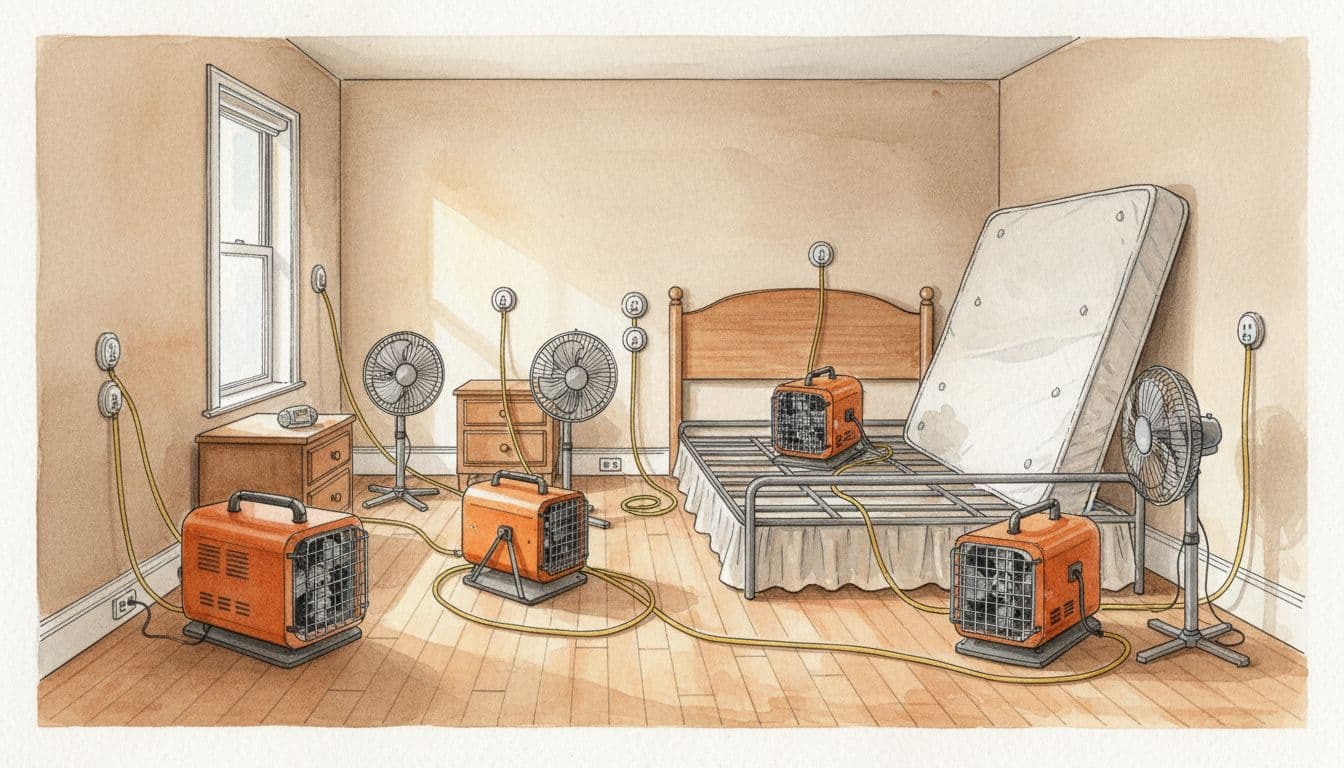
Heat can kill bed bugs and eggs in one treatment window when the full space reaches lethal temperatures, often above 120 degrees Fahrenheit. For landlords, that can mean less downtime and faster re-leasing.
Still, heat only works when the setup is solid. Virginia Tech's bed bug heat treatment guidance warns that weak equipment, poor airflow, or missed cold zones can leave live bugs behind. Ask whether the company uses sensors, how it tracks room temperatures, and how it checks problem spots like closets, couches, and wall edges after the job.
Targeted treatment plans often mix several tools
Many trusted exterminators don't rely on one tool. They may combine steam, careful product use, mattress encasements, interceptors, and repeat inspections. That mix gives better coverage in apartments, furnished rentals, and units with clutter or repeat complaints.
Be wary of any company that promises a one-size-fits-all spray. Bed bugs can resist some products, and a flat plan for every unit usually means corners get cut. Treatment choice also affects budget, re-entry timing, and how many return visits you may need. If you're comparing methods, review these bed bug treatment costs in Quincy so you can match price to the actual work involved.
How to compare bed bug exterminators near you without wasting money
When landlords search for a bed bug exterminator near me, the closest company isn't always the best pick. Look for proof, not just a low number on a quote.
Experience with rentals matters. So does turnaround time, inspection quality, tenant communication, and service area coverage across Quincy and nearby parts of Illinois, Missouri, and Iowa. A company that handles houses only may struggle with apartment turnovers, shared walls, and after-hours access.
The cheapest quote can cost more later
Low bids often leave out adjacent-unit checks, follow-up visits, or solid prep support. That saves money on paper and costs more once bugs show up again in the next unit.
Price usually shifts based on unit size, clutter, severity, visit count, and whether nearby units also need inspection. So compare what's included, not just the total.
If a quote skips inspection depth or follow-up, it's not a bargain. It's a delay bill.
[Ad Placeholder: Request a Free Inspection and Bed Bug Quote]
Ask these trust-building questions before you book
Before you hire anyone, ask for plain answers to a few basic points:
- Are your technicians licensed, insured, and trained for bed bugs?
- Do you provide written prep sheets for tenants and staff?
- How many visits are included in the quoted price?
- What re-entry rules apply for families and pets?
- What happens if bugs return after treatment?
Local experience matters here. A company that handles apartment turns, repeat complaints, and urgent calls will usually move faster and communicate better. If an infestation is active right now, or a new tenant is due in soon, look at these emergency bed bug removal services for same-day or next-day action.
What landlords can do after treatment to stop bed bugs from coming back
Treatment ends the outbreak. Good policy helps keep it from returning. That matters even more in buildings with shared walls, frequent move-ins, or a history of used furniture showing up by the dumpster.
Start with simple systems: check units during turnover, ban curb-picked furniture, respond fast to tenant reports, and keep written reporting steps for leasing and maintenance staff. Those habits protect budgets because early catches are smaller, cheaper, and easier to contain.
[Amazon Ad Placeholder: Mattress Encasements, Interceptors, or Monitoring Tools]
Build a simple bed bug policy for tenants and staff
Your policy doesn't need fancy language. It needs clear steps. Tenants should know how to report signs fast, when access is required for inspection, and how to handle laundry and bagging before service.
Staff should also know what not to do. Don't move furniture between units. Don't leave suspect items in halls. Don't dismiss early complaints as "probably bites." A simple move-in check and a rule against curbside furniture can stop a lot of repeat cases before they start.
Use follow-up inspections to protect nearby units
In multi-unit housing, bed bugs are rarely a one-room issue. One treated bedroom can sit next to an untreated sofa, an infested next-door unit, or a tenant who didn't finish prep.
That's why follow-up checks matter over the next 30 days or longer. This is even more important in buildings with shared walls, travel-heavy tenants, or recent turnover. A second look costs less than a second outbreak, and it shows tenants that you take their complaints seriously.
The best local bed bug exterminator isn't only close by. The right one is thorough, clear, safe, and used to working in rentals. Fast inspection, the right treatment mix, and steady follow-up stop spread and protect your income.
If you've had one complaint, don't wait for three. Request an inspection or quote now, because bed bugs usually cost less to remove when you act at the first sign.
Recommended Reads:
Bed Bugs: The Complete Guide to Identifying,
Emergency Bed Bug Removal Service — Immediate Relief from Infestations